El Salvador is undergoing significant changes in its approach to gang violence, with mass trials and new laws impacting thousands.
In recent years, El Salvador has been grappling with a severe gang violence crisis, prompting the government to impose a state of exception that has lasted for four years. This situation has escalated dramatically, especially with President Nayib Bukele’s controversial policies aimed at curbing gang activity.
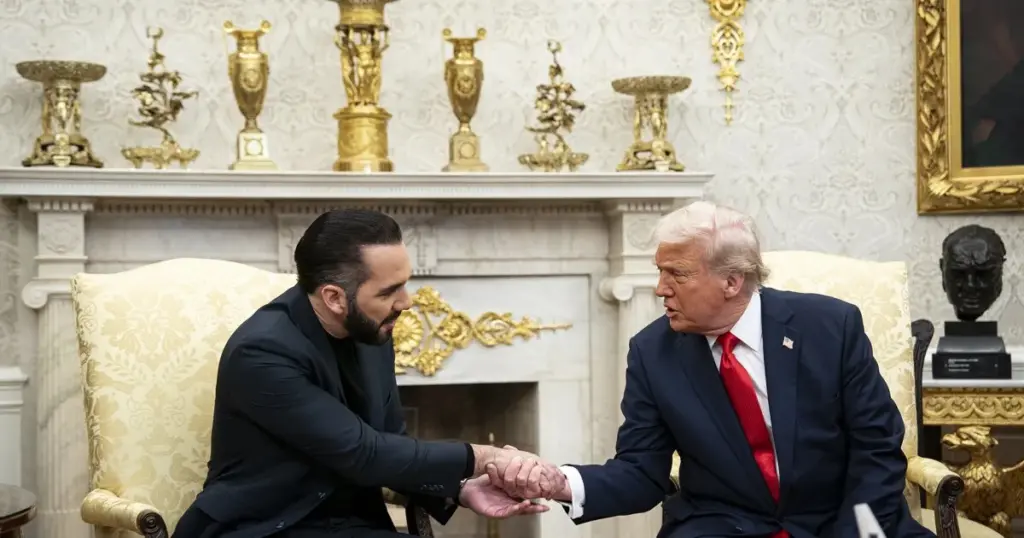
On April 7, 2026, the documentary ‘The Deal: Trump, Bukele & the Gangs of El Salvador’ premiered, shedding light on the intricate relationship between Bukele and former President Donald Trump. Reports indicate that part of their deal involved imprisoning deportees accused of gang affiliations, a move that has drawn significant criticism.
Currently, mass trials are advancing in El Salvador, targeting approximately 91,000 individuals detained under the state of exception. The attorney general’s office has promised 3,000 indictments in the first quarter, aiming to process alleged gang members in large groups. This approach has raised concerns about due process, as many detainees, including Jonathan, a 24-year-old maquila worker, have been grouped into cliques like Mara Salvatrucha with around 80 others.
The Salvadoran government has also enacted laws allowing life imprisonment for gang members, including minors, which has sparked outrage among human rights advocates. Human Rights Watch has documented numerous detentions based on anonymous tips and neighborhood disputes, leading to fears of wrongful arrests.
Williams Díaz, for instance, was detained while commuting to work and now awaits trial in a mega-prison designed for gang members. The trials lack basic guarantees of due process, with critics arguing that the reforms to the organized crime law have eliminated crucial hearings where evidence is evaluated.
Gladis Villatoro, a family member of a detainee, expressed the grim reality, stating, “Some will pay for others. If they convict one, they convict the whole group.” This sentiment reflects the anguish felt by many families caught in the crossfire of the government’s aggressive anti-gang measures.
As of now, the situation remains tense, with reports indicating that over 500 deaths have occurred in prisons under the state of exception. Detainees can spend up to five years without a conviction, further complicating their plight.
Despite the backlash, Bukele maintains a strong grip on power, controlling all branches of the state and enjoying popularity for his efforts to end gang terror. However, the increasing reports of wrongful arrests and the lack of due process raise serious questions about the long-term implications of these policies.
Details remain unconfirmed regarding the exact number of wrongful arrests and the specifics of the deal between Trump and Bukele. As El Salvador continues to navigate this complex landscape, the international community watches closely, hoping for a resolution that respects human rights while addressing the pervasive issue of gang violence.