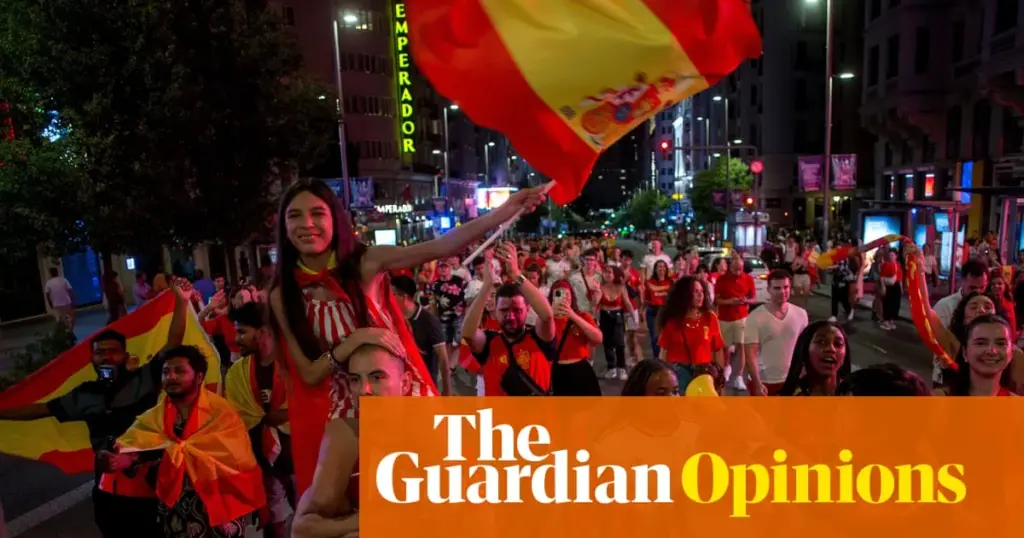
Madrid erupts in celebration as Spain’s World Cup champions return home for a grand trophy parade. Witness the festivities after their second men’s World Cup tr
Spain’s World Cup champions have arrived back in Madrid, preparing for an elaborate trophy parade through the capital’s streets. This celebration follows their second men’s World Cup triumph, secured by Ferran Torres’ goal. The team’s plane was scheduled to land at Adolfo Suárez Madrid–Barajas Airport around 2:30 PM on Monday, with the open-top bus parade set to commence at 7 PM local time.
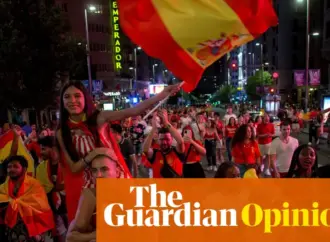
The victory has sparked widespread celebrations across Spain. In Madrid, crowds gathered in areas like Puerta del Sol and Cibeles Square, with some supporters securing spots for the parade early, braving the sun. Similar scenes unfolded in Barcelona, where over 30,000 people watched the final on a giant screen. The celebratory mood extended throughout the country, with people of all generations out in the streets.
The national team, led by coach Luis de la Fuente, is characterised by its youth and diversity, with players from various regions of Spain, including Catalonia and the Basque Country. One player, Aymeric Laporte, was born in France. This diversity is seen as a reflection of the country’s population, with over 10 million people born abroad.
Ferran Torres, who scored the decisive extra-time goal, remarked that the achievement belonged to “47 million people, not just me or my teammates.” The success of the team is also seen by some as representing solidarity with causes beyond football, such as the Palestinian cause in Gaza.
The team’s message, as reiterated by Luis de la Fuente and his players, emphasises unity and diversity, stating: “We are a team. We embrace diversity while working together towards a common goal.” This cohesiveness is considered a key strength on the pitch, contributing to a sense of shared purpose.
The current celebrations contrast with the atmosphere three years prior when the women’s national team won the World Cup, an event overshadowed by issues of sexual harassment. Sixteen years ago, Spain’s first World Cup victory occurred during a period of economic hardship for the country.
This recent triumph is being viewed by some as a more complete success, occurring at a time when Spain’s economy is performing strongly, and its cities are perceived as more prosperous and dynamic. The team’s maturity under pressure, exemplified by player responses to racist comments, has also been noted.
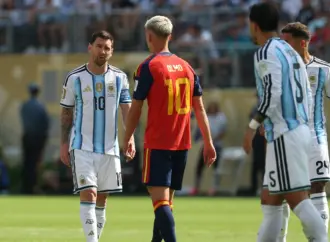
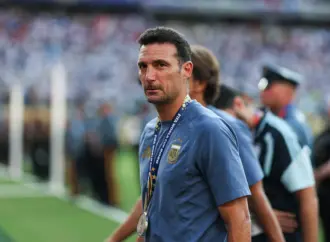
Meanwhile, Argentina returned home following their defeat in New Jersey, with post-match scenes leading to a potential investigation by Fifa for additional disciplinary action. The final match itself was described as a difficult spectacle for 90 minutes, with Spain making the breakthrough in extra time.
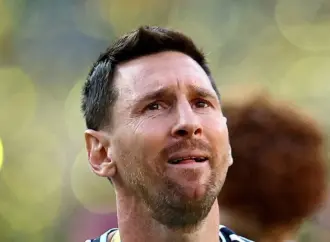
The result meant that Lionel Messi was denied a World Cup victory in what was likely his final appearance in the tournament. The aftermath of the match further complicated the occasion for the 39-year-old football icon. Donald Trump was present during the trophy presentation, attempting to be in photos with the Spanish players.
The World Cup has been described by some as a tournament of contradictions, with events on and off the field creating a drama-filled experience. Spain’s tactical approach under Luis de la Fuente, while still rooted in ‘tiki-taka’, has evolved, contributing to their success.
The trophy parade for Spain’s World Cup champions is scheduled to begin at 7 PM local time.
Read Also
Source: independent.co.uk