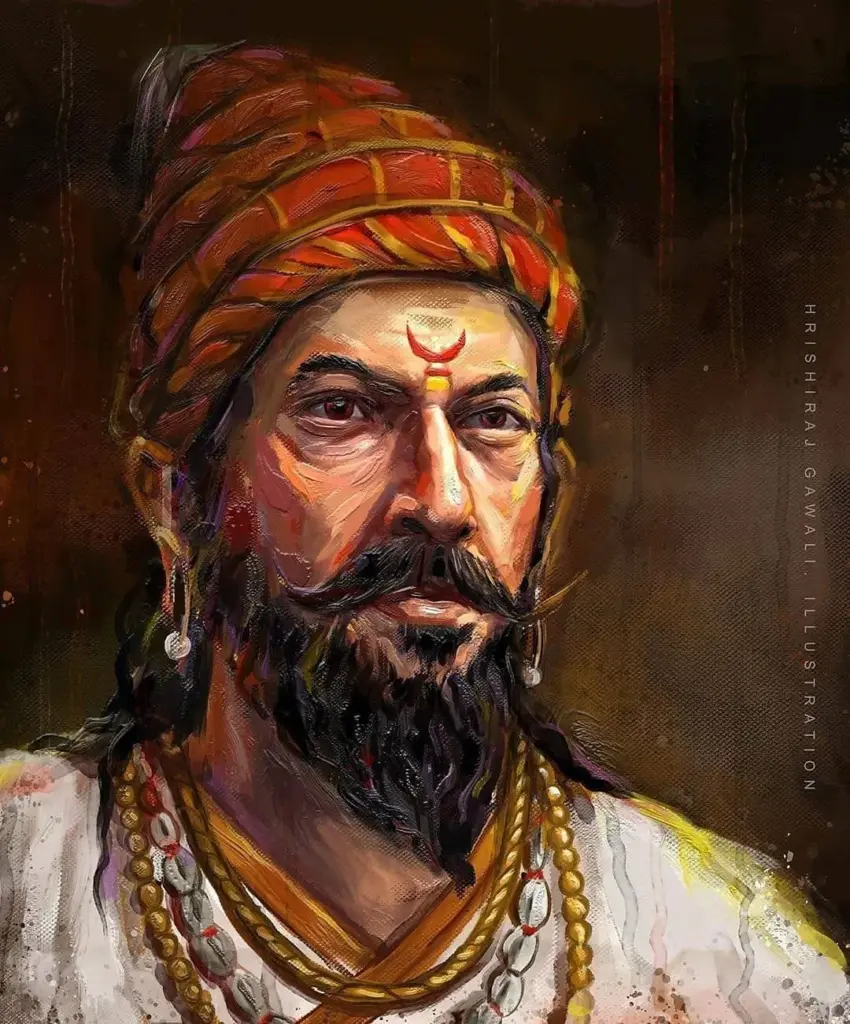
The film Raja Shivaji has ignited discussions about historical representation and sensitivities surrounding this iconic figure from the Maratha Empire.
The film Raja Shivaji has ignited legal controversy just before its release, shedding light on the sensitivities surrounding historical representation in Maharashtra. Directed by Riteish Deshmukh, the film chronicles the evolution of Shivaji Shahaji Bhonsle into Chhatrapati Shivaji Maharaj, a pivotal figure in the Maratha Empire.
This controversy arose when a petition claimed that the title was derogatory. However, the Bombay High Court dismissed it, emphasizing the importance of artistic expression. That context matters because it highlights how representations of historical figures can evoke strong reactions in society.
The film is set in the mid-seventeenth century, during a time characterized by chaos and power struggles among various factions, including the Mughal Empire and Deccan Sultanate. As Shivaji pursues Hindavi Swaraj—sovereignty for his land and people—his main adversary emerges: Afzal Khan. The screenplay co-written by Deshmukh and his team aims to capture this tumultuous period.
With a runtime of 195 minutes, Raja Shivaji features a mix of Marathi and Hindi dialogue, aiming to resonate with diverse audiences. Vidya Balan plays the role of an Adil Shah queen, while Salman Khan makes a cameo as Jeeva Mahala. Such casting choices reflect an effort to blend star power with historical narrative.
The film also portrays the brutal tactics employed by Shivaji’s opponents—depicting a harsh reality that challenges romanticized views of history. Critics have noted that Raja Shivaji is a “studious, plodding affair,” yet it seeks to emphasize Shivaji’s religious bent and his symbolic saffron flags over his capital.
As audiences prepare for its release, questions remain about how this portrayal will influence perceptions of historical figures in modern India. While some celebrate its ambitious scope, others worry about potential glorification or misrepresentation of complex historical narratives.