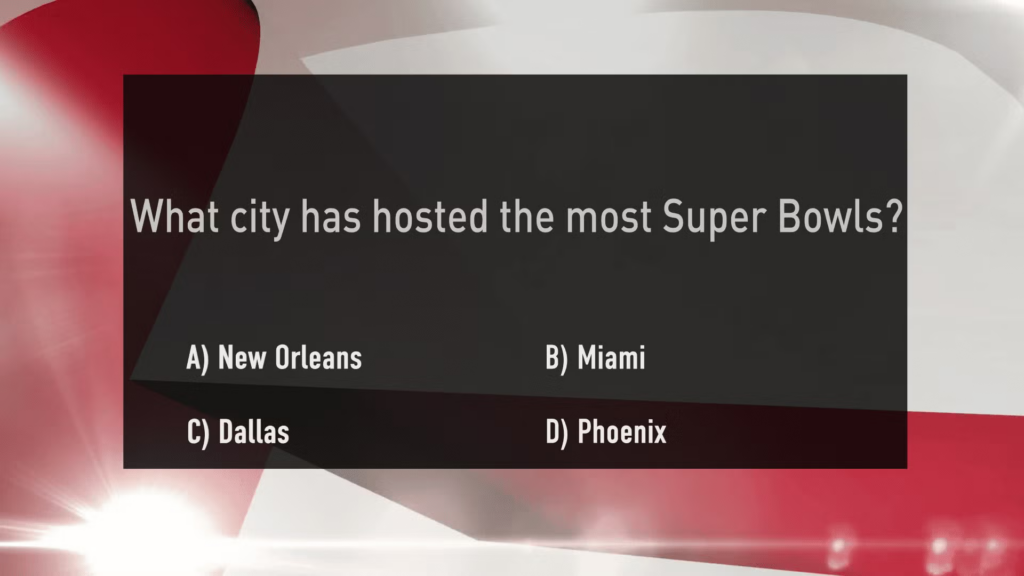
The Significance of Super Bowl Host Cities The Super Bowl is one of the most-watched sporting events in the world, drawing millions of viewers each year. The selection of a host city for this monumental occasion can significantly impact the local economy, tourism, and overall recognition of the city. Understanding which city has hosted the
The Significance of Super Bowl Host Cities
The Super Bowl is one of the most-watched sporting events in the world, drawing millions of viewers each year. The selection of a host city for this monumental occasion can significantly impact the local economy, tourism, and overall recognition of the city. Understanding which city has hosted the most Super Bowls provides insight into the factors that influence these decisions.
Host City Overview
As of 2023, Miami, Florida, has emerged as the city that has hosted the most Super Bowls, with a total of 11 games held in the area. This statistic highlights Miami’s longstanding connection to the NFL and its ability to attract large-scale sporting events. Other cities that have frequently hosted the Super Bowl include New Orleans, Louisiana, with 10 games, and Los Angeles, California, with 8 games.
Miami’s Super Bowl Legacy
Miami’s first Super Bowl was in 1968, when the Green Bay Packers defeated the Oakland Raiders in Super Bowl II. The city’s warm climate, appealing tourist attractions, and robust hospitality infrastructure make it an ideal setting for such a prestigious event. The most recent Super Bowl held in Miami was Super Bowl LIV in 2020, which saw the Kansas City Chiefs defeat the San Francisco 49ers, further solidifying Miami’s status as the go-to city for hosting NFL championships.
The Economic Impact
Hosting the Super Bowl can inject millions into a city’s economy. From increased hotel bookings to local business revenues, the effects are far-reaching. According to a study by the American Gaming Association, the 2020 Super Bowl contributed approximately $400 million to Miami’s economy, showcasing the significant financial benefits of hosting this iconic event.
Future Super Bowls and Host City Selection
Looking ahead, the NFL has already lined up future Super Bowls in various cities, including Las Vegas and Phoenix, which indicates a trend toward diversifying host locations. These decisions are influenced by factors such as transportation infrastructure, hotel availability, and the overall enthusiasm of the local community.
Conclusion
With Miami leading the way as the city that has hosted the most Super Bowls, it exemplifies the relationship between successful sporting events and urban development. As cities continue to vie for the chance to host the Super Bowl, it’s evident that these events provide not just a platform for sports, but also a substantial economic opportunity. As the NFL expands its reach, it will be intriguing to see if new cities can mimic Miami’s success or if the South Florida area will maintain its long-standing dominance.