Introduction Snow squalls are short yet intense weather phenomena characterized by heavy snowfall and strong winds. These sudden storms can lead to hazardous driving conditions and significantly reduce visibility. Understanding snow squalls is increasingly vital as the climate continues to shift, making extreme weather events more frequent and unpredictable. What Is a Snow Squall? A
Introduction
Snow squalls are short yet intense weather phenomena characterized by heavy snowfall and strong winds. These sudden storms can lead to hazardous driving conditions and significantly reduce visibility. Understanding snow squalls is increasingly vital as the climate continues to shift, making extreme weather events more frequent and unpredictable.
What Is a Snow Squall?
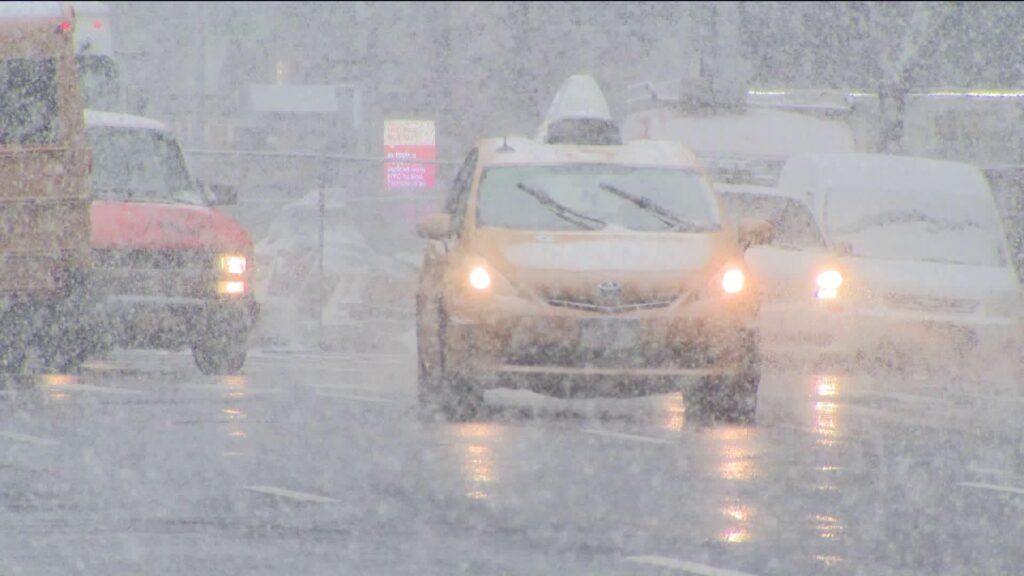
A snow squall typically lasts for a brief period, ranging from a few minutes to an hour. Unlike typical snowstorms, snow squalls are accompanied by a sharp drop in temperature and strong winds, leading to whiteout conditions. The National Weather Service (NWS) defines a snow squall as a sudden, intense burst of snow that can create dangerous road conditions and travel disruptions.
Recent Events
This winter, several regions across the northeastern United States have experienced snow squalls. For instance, a significant squall event observed in January 2023 resulted in multiple vehicle accidents and travel delays in areas like Pennsylvania and New York. Local authorities reported that the squall brought visibility down to nearly zero in some locations, prompting the issuance of winter weather advisories.
Impact and Safety Concerns
The impact of snow squalls on daily life can be severe, especially for commuters and travelers. Traffic accidents often spike during these events due to the rapid onset of poor visibility and icy roads. The NWS has emphasized the importance of being prepared and informed during winter months to avoid the risks associated with these swift storms. Travelers are advised to monitor weather forecasts, stay updated on road conditions, and avoid traveling during expected squall events if possible.
Conclusion
As snow squalls continue to pose challenges for those in affected regions, it is crucial for residents to stay informed and aware. With climate change influencing weather patterns, the frequency of these squalls may increase, emphasizing the necessity for preparedness. Communities and individuals must take proactive measures to mitigate the impact of these unpredictable winter storms, ensuring safety during adverse weather. By cultivating awareness and understanding snow squalls, citizens can better navigate the threats posed by these extreme weather conditions.