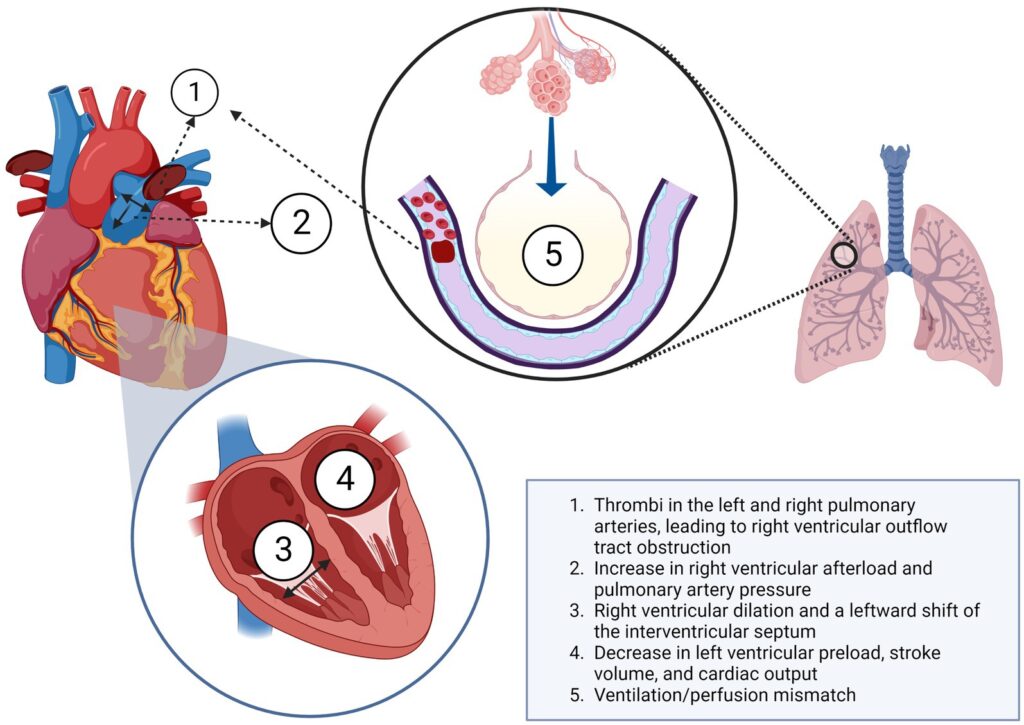
Introduction Pulmonary embolism (PE) is a life-threatening condition that occurs when a blood clot blocks a blood vessel in the lungs. This blockage can cause severe complications, including cardiovascular collapse or even death if not treated promptly. Understanding the symptoms, causes, and treatment options for PE is crucial for early detection and management, making this
Introduction
Pulmonary embolism (PE) is a life-threatening condition that occurs when a blood clot blocks a blood vessel in the lungs. This blockage can cause severe complications, including cardiovascular collapse or even death if not treated promptly. Understanding the symptoms, causes, and treatment options for PE is crucial for early detection and management, making this topic highly relevant for both medical professionals and the general public.
Causes and Risk Factors
Pulmonary embolism is often a result of deep vein thrombosis (DVT), where blood clots form in the deep veins of the legs or other parts of the body and travel to the lungs. Various factors increase the risk of developing DVT and subsequently PE, including:
- Prolonged immobility (long flights, bed rest after surgery)
- Obesity
- Certain medical conditions (cancer, heart disease)
- Smoking
- Pregnancy and recent childbirth
Symptoms of Pulmonary Embolism
Symptoms of PE can vary widely, and they may manifest suddenly. Key symptoms include:
- Shortness of breath
- Chest pain, which may worsen with deep breaths
- Coughing, sometimes with blood
- Rapid heart rate
- Dizziness or fainting
If any of these symptoms arise, it is essential to seek immediate medical attention.
Diagnosis and Treatment
Healthcare providers diagnose pulmonary embolism through imaging tests, such as a CT pulmonary angiography, alongside blood tests. The treatment options depend on the severity of the condition and the patient’s overall health. Common treatments include:
- Anticoagulants (blood thinners) to prevent new clots
- Thrombolytics (clot dissolvers) in severe cases
- Surgical interventions, such as embolectomy, for significant blockages
Prompt treatment significantly improves the prognosis for patients suffering from PE, highlighting the importance of awareness and education regarding this serious condition.
Conclusion
Pulmonary embolism is a critical medical emergency that can have fatal consequences if overlooked. Awareness of its symptoms, risks, and treatment is essential for timely intervention. As healthcare continues to evolve, preventive strategies and education on PE are paramount to reduce incidence rates. For those at risk, proactive management and screening can save lives and improve health outcomes.