Introduction Havana Syndrome refers to a set of concerning health symptoms experienced primarily by U.S. diplomats and government employees stationed in Cuba since 2016. These symptoms have raised alarm not only among medical professionals but also within governmental agencies, prompting investigations into their causes. The syndrome’s relevance is heightened as it has implications for national
Introduction
Havana Syndrome refers to a set of concerning health symptoms experienced primarily by U.S. diplomats and government employees stationed in Cuba since 2016. These symptoms have raised alarm not only among medical professionals but also within governmental agencies, prompting investigations into their causes. The syndrome’s relevance is heightened as it has implications for national security and international relations, highlighting the potential for new forms of aggression against diplomatic personnel.
Main Body
Initially reported by U.S. diplomats in Havana, the symptoms of this mysterious syndrome include severe headaches, nausea, dizziness, cognitive difficulties, and auditory problems. Some affected individuals describe a sensation of pressure in the head and recurrent symptoms that often result in long-term health issues. As reports spread, cases were identified among U.S. personnel in other countries, including China, Russia, and elsewhere, further complicating the response and understanding of the syndrome.
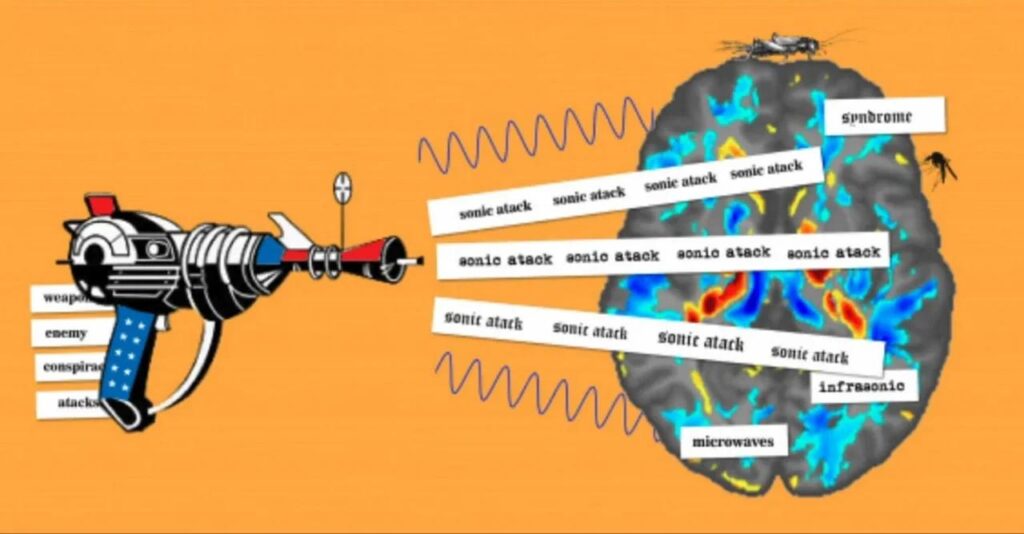
In 2021, the National Academy of Sciences published a report suggesting that directed energy might be a plausible explanation for the symptoms experienced, although definitive cause remains unverified. The report stated that the exposure to pulsed microwave energy could explain the health issues encountered by those afflicted. Further investigations are ongoing, involving the CIA and Department of State as they work to ensure the safety of diplomatic staff abroad.
Recent Developments
As of late 2023, a reported spike in new cases has reignited concerns among U.S. officials. Recent accounts from CIA whistleblowers have added urgency to the need for efficient medical assessments and responses. The Biden administration has formed a task force specifically to address these cases and provide support to those affected. Officials are also coordinating with international allies to gather more information on the syndrome and its implications for diplomatic missions.
Conclusion
The ongoing inquiries into Havana Syndrome signal a shift in how governments approach potential health threats against their personnel. Understanding the comprehensive nature of these symptoms and the challenges they pose is essential to protecting those serving abroad. Moving forward, it is critical for governmental agencies to prioritize research, medical care, and communication to ensure the safety and security of their officials. As new information continues to emerge, readers should stay informed about the latest developments regarding this complex and pressing issue.