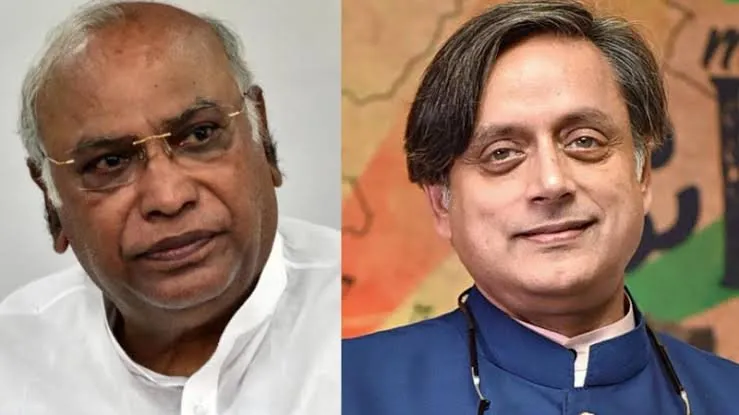
On the day of vote counting, Vishnu Pooja was held for Kerala CM Pinarayi Vijayan, setting a unique tone for the electoral process.
On May 4, 2026, Vishnu Pooja was conducted for Kerala Chief Minister Pinarayi Vijayan on the very day that vote counting began across the state. This unusual occurrence set a distinctive atmosphere for an event that many anticipated with a mix of excitement and anxiety.
Prior to this day, expectations ran high. Many believed that the results would reflect a significant shift in voter sentiment. The backdrop included intense campaigning and speculation about how various parties would fare in this critical election.
But as the day unfolded, the atmosphere shifted dramatically. Vote counting commenced at 8:00 AM across 140 centers in Kerala. Initially, postal ballots were counted before moving on to EVM results at 8:30 AM. This structured approach aimed to ensure accuracy amidst heightened public interest.
The immediate numbers revealed a mixed bag of outcomes for various parties. For instance, in West Bengal, counting was also underway for 293 constituencies, where security protocols had been tightened significantly—reducing counting centers from 108 to 77. Such measures reflected a broader concern over maintaining order during this crucial process.
This context matters because it illustrates how different states manage their electoral processes under varying circumstances. While Kerala focused on spiritual observance with the Vishnu Pooja, West Bengal emphasized security and procedural integrity.
The implications for the parties involved are profound. The Trinamool Congress faced challenges in West Bengal due to these heightened security measures and logistical changes. In contrast, Kerala’s approach seemed to blend tradition with modern electoral processes.
Security protocols were particularly strict in both regions. In Kerala, QR-code identification was implemented at counting centers to enhance transparency and trust among voters. Meanwhile, observers deployed in West Bengal numbered around 242, ensuring that every step of the counting was monitored closely.
This juxtaposition raises an important question: How do cultural practices influence political outcomes? The answer lies in understanding that while electoral systems may be similar, local customs can significantly shape voter engagement and perception.
The Election Commission has made real-time results accessible via results.eci.gov.in and the ECINET app, allowing citizens to stay informed as events unfold. This digital engagement is becoming increasingly vital in modern elections.
As we await further developments from both states, one thing is clear: elections are not just about numbers; they’re also about narratives—narratives shaped by culture, tradition, and public sentiment.