Recent weather in Srinagar has brought heavy snowfall and rain, leading to road closures and rescue operations in the Kashmir Valley.
On March 16, 2026, the weather in Srinagar and the surrounding Kashmir Valley took a significant turn as fresh heavy snowfall blanketed the higher reaches of the region. This weather event began late on Sunday night and continued into Monday morning, impacting daily life and travel.
As the snowfall accumulated, Sadhna Top recorded over 12 inches of fresh snow, while Sinthan Top saw about 6 inches. The ski resort of Gulmarg also received fresh snowfall, enhancing its winter sports appeal but complicating travel conditions.
In the plains of Srinagar, moderate rain fell during the same period, contributing to the overall adverse weather conditions. The minimum temperature in Srinagar city was reported at 5.3 degrees Celsius on March 16.
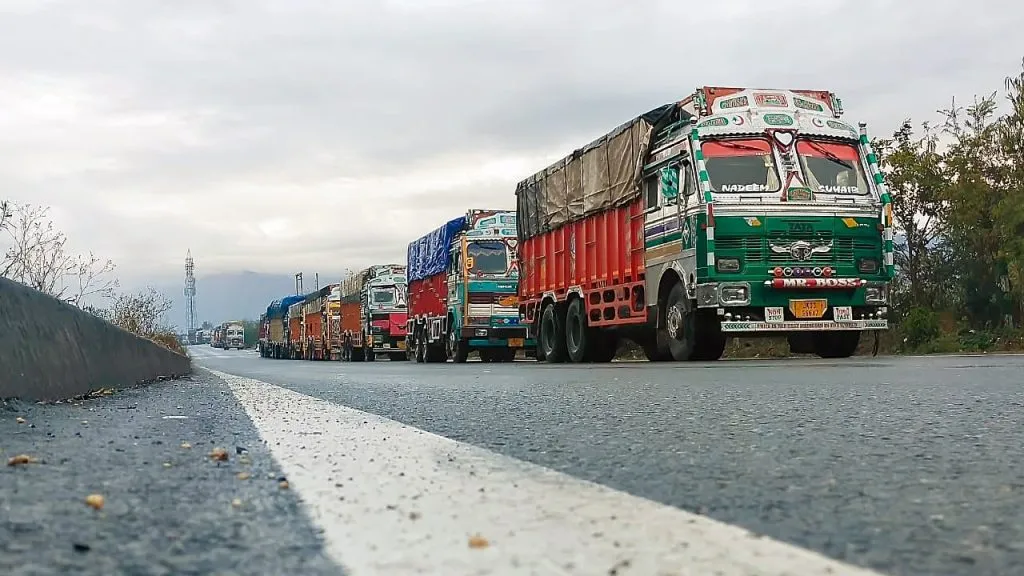
The heavy snowfall led to the suspension of vehicular movement on the Srinagar-Leh highway, a critical route for connectivity. Additionally, heavy snowfall at Pir Ki Gali resulted in the closure of the Mughal Road, which connects the Valley with Rajouri-Poonch.
In response to the severe weather, the Army conducted rescue operations, successfully evacuating 214 people stranded in J&K’s Sinthan Pass due to the heavy snowfall. This operation underscores the challenges faced by residents and travelers in the region during such weather events.
The Meteorological Department has forecast similar weather conditions to persist over the next few days, predicting rain and snow across Jammu and Kashmir until March 20. Following this period, a brief respite is expected from March 21st to 23rd, when dry weather is anticipated.
As the region grapples with these weather challenges, the fresh snowfall has also led to the closure of several inter-district roads and remote stretches due to slippery conditions and accumulation. This situation highlights the need for caution among residents and travelers alike.
Overall, the recent weather in Srinagar and the Kashmir Valley is significant not only for its immediate impact on travel and safety but also for its implications for the local economy and tourism, particularly in ski resorts like Gulmarg.