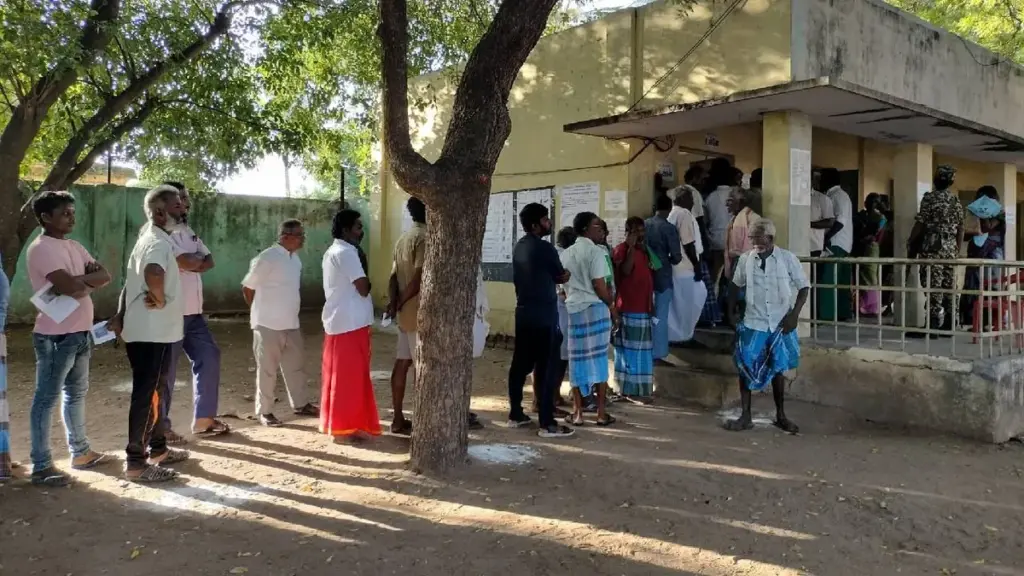
Tamil Nadu’s voter turnout reached an unprecedented 82.24%, breaking past records and highlighting the significance of electoral participation.
Tamil Nadu has set a remarkable record with a voter turnout of 82.24%. This figure not only surpasses the previous high of 78% recorded in 2011 but also reflects a significant shift in electoral engagement across the state.
In this latest election, 30 out of 38 districts achieved over 80% voter turnout. Notably, Karur district led the way with an impressive 89%. Meanwhile, Chennai also contributed positively, recording a turnout of 83.44%.
This surge in participation is noteworthy, especially when compared to the 73.63% turnout in 2021, when Tamil Nadu had approximately 6.28 crore total voters. Following revisions, the total number of voters for this election stands at 5.73 crore, after about 70 lakh names were removed from the electoral rolls.
The context matters because it highlights a growing awareness among citizens regarding their voting rights and responsibilities. Many voters have expressed their frustrations—some reported difficulties reaching their hometowns to cast their votes.
A citizen named Vijay lamented that thousands attempting to travel for the elections were left stranded due to heavy requisitioning of buses for poll duty, without adequate arrangements made for ordinary voters.
This situation underscores the challenges faced by many as they exercise their democratic rights amidst logistical hurdles. The western districts have notably registered more votes than other areas, indicating regional variations in electoral engagement.
The implications of this record turnout extend beyond mere numbers; they signify a vital connection between citizens and their governance structures. As more people participate in elections, democracy becomes stronger.
Observers are keenly watching how these trends will influence future governance and policy-making in Tamil Nadu. The historical context—where the DMK alliance secured 159 seats with just under 46% of votes in 2021—adds another layer to this narrative.
This election’s results may shape political dynamics significantly moving forward, but uncertainties remain regarding how effectively these high participation rates will translate into meaningful political change.
The road ahead is filled with possibilities—and challenges—as Tamil Nadu navigates its evolving electoral landscape.