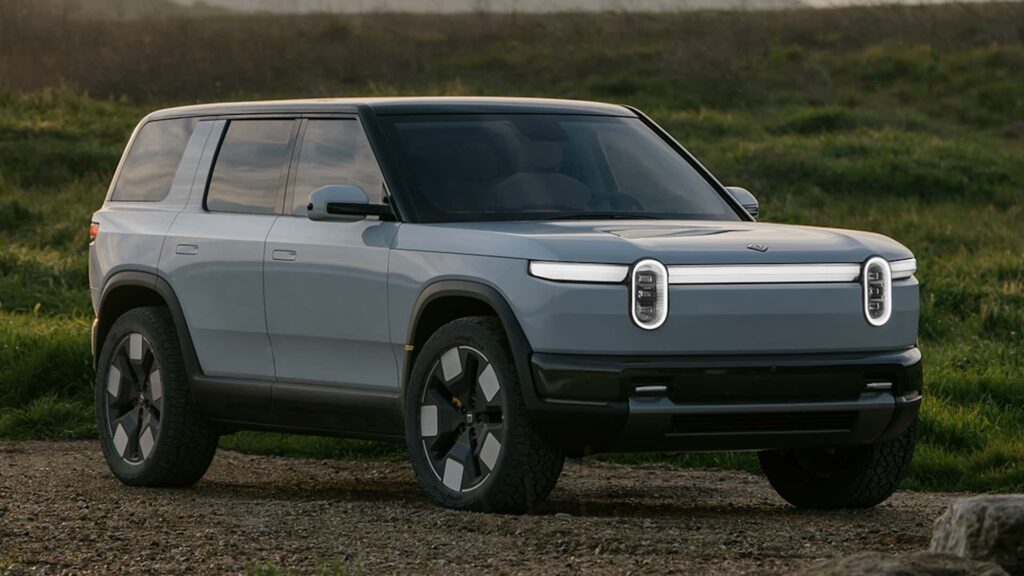
Introduction The Rivian R2 is gaining significant attention within the automotive industry as it promises to encapsulate the next leap in electric vehicle (EV) innovation. With growing environmental concerns and the push for sustainable transportation solutions, Rivian’s R2, slated for release, hints at a transformational approach in electric SUVs. The relevance of this vehicle extends
Introduction
The Rivian R2 is gaining significant attention within the automotive industry as it promises to encapsulate the next leap in electric vehicle (EV) innovation. With growing environmental concerns and the push for sustainable transportation solutions, Rivian’s R2, slated for release, hints at a transformational approach in electric SUVs. The relevance of this vehicle extends beyond mere innovation; it embodies the shift toward a greener future in mobility.
Key Features of the Rivian R2
Rivian, an American electric vehicle manufacturer, has carved a niche with its pioneering technology and adventurous spirit. The R2 is positioned as a more affordable option compared to its predecessor, the R1T and R1S models. It aims to reach a wider audience while maintaining the rugged design and capabilities that Rivian is known for.
One of the most noteworthy aspects of the Rivian R2 is its all-electric drivetrain, which promises an impressive range similar to the R1 lineup, potentially exceeding 300 miles on a single charge. Equipped with Rivian’s cutting-edge battery technology, the R2 also features ultra-fast charging capabilities, allowing users to charge up to 140 miles in just 20 minutes.
Moreover, Rivian emphasizes sustainability in its approach, using eco-friendly materials in the vehicle’s interior design and prioritizing manufacturing processes that minimize carbon footprints. The R2 is designed not just for urban commuting but also for outdoor adventures, featuring rugged chassis designs and off-road capabilities, appealing to adventure seekers.
Market Trends and Industry Impact
The electric vehicle market is rapidly evolving, with numerous manufacturers looking to capitalize on the growing demand for sustainable options. Rivian’s introduction of the R2 comes at a critical time when competition, particularly from established brands and new entrants alike, is intensifying. The success of the R2 could potentially influence market trends, encouraging more consumers to make the switch to electric and prompting additional investments in EV infrastructure.
Conclusion
The Rivian R2 is anticipated to be a game changer in the electric SUV segment, marrying cutting-edge technology with adventure-ready capabilities. As the automotive industry pivots toward electrification, Rivian stands at the forefront of this shift, paving the way for future developments. With its combination of robust performance and sustainable methodologies, the R2 could position Rivian as a significant player in both the electric vehicle market and the broader context of clean transportation solutions. As consumers become increasingly conscious of their carbon footprints, the Rivian R2 might just meet their needs for both adventure and environmental responsibility.