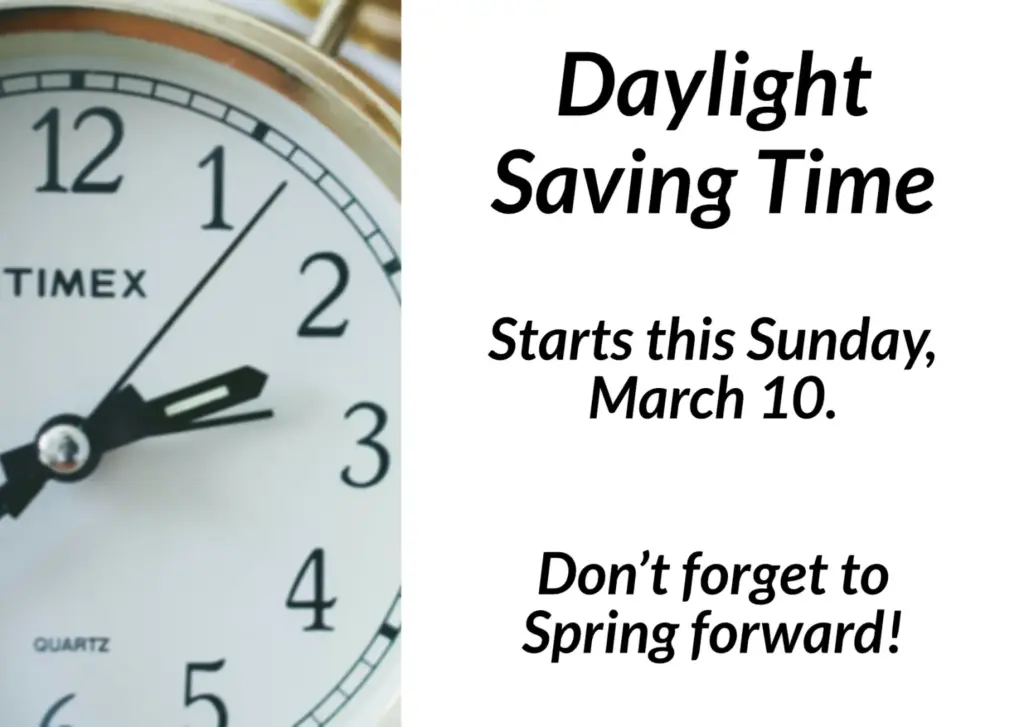
Introduction to Daylight Saving Time Daylight Saving Time (DST) is a practice that involves setting the clock forward by one hour during warmer months to extend evening daylight. It has been adopted in various parts of the world as a way to save energy and maximize daylight hours. Understanding when DST begins and ends is
Introduction to Daylight Saving Time
Daylight Saving Time (DST) is a practice that involves setting the clock forward by one hour during warmer months to extend evening daylight. It has been adopted in various parts of the world as a way to save energy and maximize daylight hours. Understanding when DST begins and ends is crucial for planning events, travel, and adjusting daily routines.
When Does Daylight Saving Time Start and End?
In the United States, Daylight Saving Time begins on the second Sunday in March and ends on the first Sunday in November. In 2023, this means that DST commenced on March 12, when clocks were set forward one hour at 2:00 AM local time. The period of extended daylight will conclude on November 5, when clocks revert back an hour at 2:00 AM.
Historical Context and Importance
The concept of Daylight Saving Time was first proposed by Benjamin Franklin in 1784 but was not widely implemented until the 20th century, notably during World War I and II to conserve energy. Currently, many regions in the U.S. still observe DST, which is believed to reduce energy consumption by providing more daylight during the evening hours.
Current Impact and Observational Differences
While much of the United States observes Daylight Saving Time, some states and territories like Hawaii and most of Arizona do not participate. This lack of uniformity can lead to confusion and scheduling conflicts, particularly for businesses and travel. Each year, there are discussions in Congress and state legislatures about whether to maintain, abolish, or adjust DST practices.
Conclusion and Future Considerations
As Daylight Saving Time approaches its end in November, many people will return to their traditional schedules, while debates around its efficacy continue. With changing attitudes toward energy consumption and wellness, particularly in light of recent studies questioning the health impacts of clock changes, it remains to be seen whether national legislation to end or alter Daylight Saving Time could emerge in the future. For readers, understanding when DST starts and ends plays a significant role in preparation for seasonal time changes, ensuring that activities are planned efficiently.