Introduction In the ever-evolving landscape of social media, the launch of Trump’s Truth Social platform has stirred significant discussion and interest. Created as an alternative to major social media platforms, Truth Social aims to provide a space for users who feel their views are not adequately represented or perhaps censored. Understanding the relevance of Truth
Introduction
In the ever-evolving landscape of social media, the launch of Trump’s Truth Social platform has stirred significant discussion and interest. Created as an alternative to major social media platforms, Truth Social aims to provide a space for users who feel their views are not adequately represented or perhaps censored. Understanding the relevance of Truth Social is important for grasping the current trends in digital communication and political discourse.
What is Trump Truth Social?
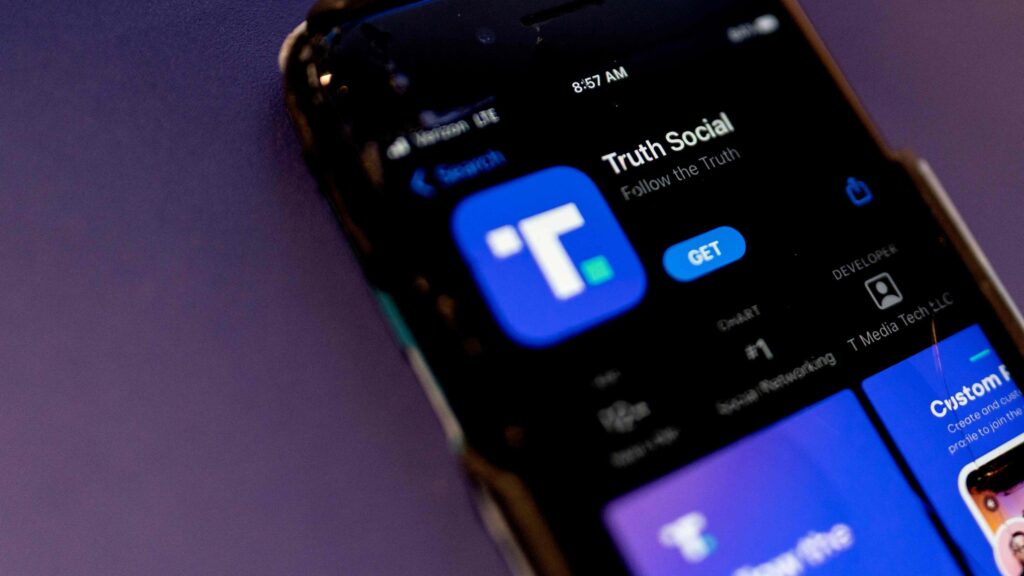
Truth Social was launched by Donald Trump’s media company, the Trump Media & Technology Group (TMTG), in February 2022. The platform was developed in response to Trump’s suspension from Twitter and Facebook following the January 6 Capitol riots. Designed to promote free expression, it’s positioned as a sanctuary for conservative voices who believe mainstream media platforms are biased against them. Users can share posts, interact with others, and follow influencers, similar to the functionalities found on platforms like Twitter.
Recent Developments
As of October 2023, Truth Social has been experiencing incremental growth in its user base, though it still struggles to compete with established giants like Twitter and Facebook. According to reports, the platform surpassed several million downloads; however, its daily active users remain significantly lower than those of its competitors. A recent survey indicated that many users appreciate the platform’s focus on free speech but express concerns regarding content moderation practices and platform stability.
In addition, as Truth Social navigates the competitive social media space, it has been involved in legal discussions, particularly regarding its financing and mergers with SPACs (Special Purpose Acquisition Companies). The company’s future outside of Trump’s political endeavors remains uncertain, as it heavily relies on the former president’s influence to attract users.
Conclusion
Trump’s Truth Social represents a significant chapter in the ongoing debate over social media’s role in politics and public discourse. As it continues to evolve, the platform could reshape the way conservative voices communicate online. For users and observers, the significance of Truth Social lies in its potential to test the boundaries of free expression in a polarized media environment. Its future may serve as a barometer for broader shifts in digital engagement among politically motivated users.