Introduction The polar vortex is a crucial factor in determining winter weather patterns, and its forecast is increasingly relevant as climate change impacts our weather systems. A polar vortex split can lead to significant temperature swings, extreme cold, and erratic winter weather. As we approach the winter months, understanding the forecast for a polar vortex
Introduction
The polar vortex is a crucial factor in determining winter weather patterns, and its forecast is increasingly relevant as climate change impacts our weather systems. A polar vortex split can lead to significant temperature swings, extreme cold, and erratic winter weather. As we approach the winter months, understanding the forecast for a polar vortex split is essential for preparing for the potential impacts.
What is the Polar Vortex?
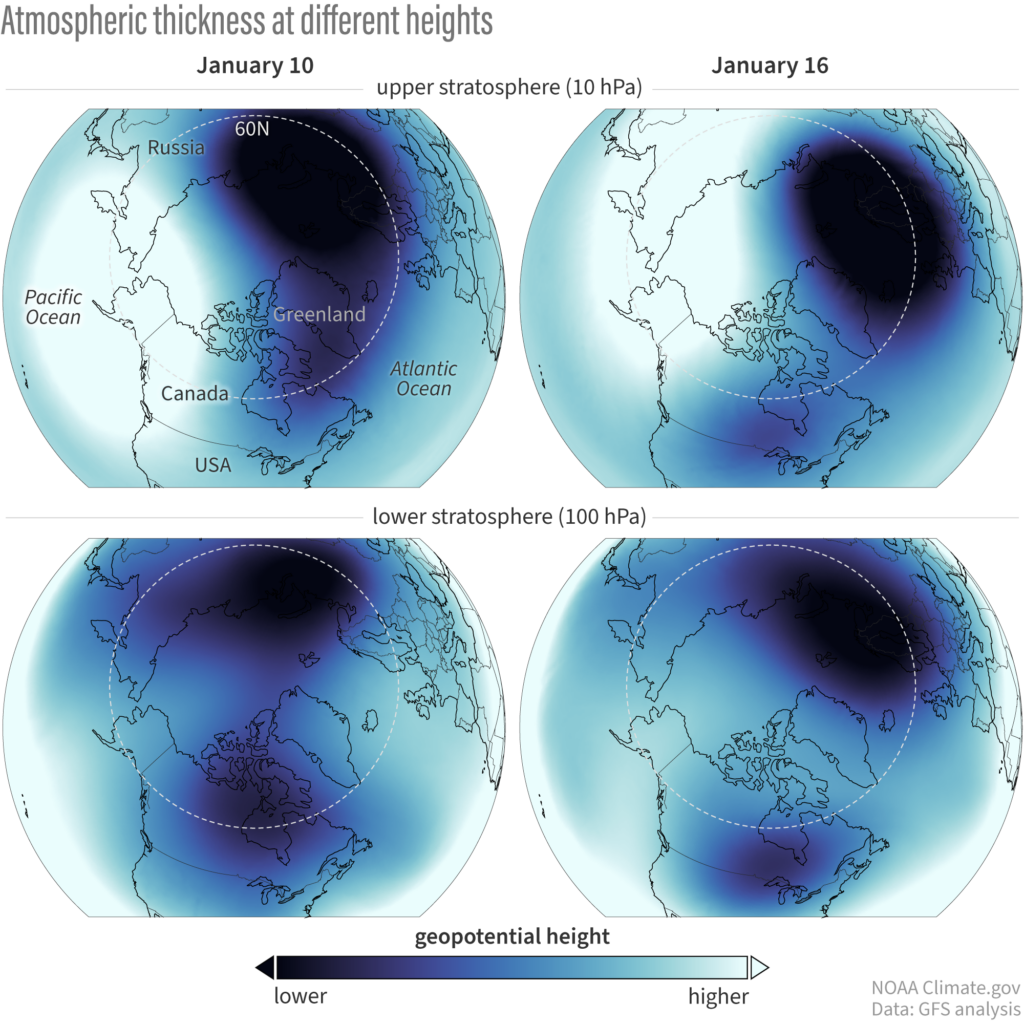
The polar vortex is a large area of low pressure and cold air surrounding the Earth’s poles. It is responsible for the flow of air around the Arctic region, and when it remains stable, temperatures remain relatively consistent. However, disruptions in the polar vortex can cause it to split, resulting in the risk of cold Arctic air spilling southward into lower latitudes, affecting large swaths of North America.
Current Forecast for Polar Vortex Split
Recent meteorological models have indicated a higher likelihood of a polar vortex split occurring this winter. According to the National Weather Service, data from early November suggests that a significant displacement of the polar vortex may happen. These splits typically occur when the polar jet stream weakens, allowing cold Arctic air to move further south, leading to frigid temperatures in areas that normally experience milder winter weather.
Implications of a Split Polar Vortex
The implications of a polar vortex split can be severe. As observed in previous winters, a split can bring frigid temperatures and prolonged periods of cold weather across the Midwest and Northeast United States. This could lead to increased energy demand for heating, potential transportation disruptions due to snow and ice, and heightened risks of health impacts among vulnerable populations. Weather experts warn that it is crucial for residents in affected areas to prepare accordingly.
Conclusion
The polar vortex split forecast serves as an important indicator for what to expect in the upcoming winter months. With the potential for colder temperatures and severe weather events, individuals and communities must stay informed and ready to take action. As climate patterns evolve, monitoring the polar vortex will remain a key component in predicting and responding to winter weather challenges.