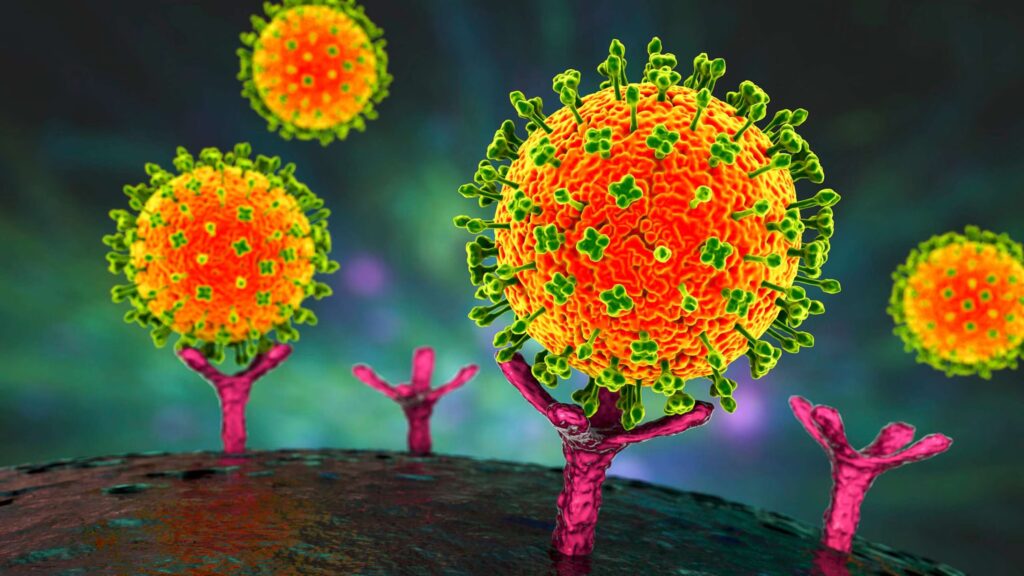
Introduction The Nipah virus is an emerging zoonotic pathogen that poses serious public health risks. Since its first identification in 1998 in Malaysia, it has caused several outbreaks in South Asia, notably in Bangladesh and India. Understanding the Nipah virus is crucial for global health security, especially given the increasing frequency of zoonotic diseases due
Introduction
The Nipah virus is an emerging zoonotic pathogen that poses serious public health risks. Since its first identification in 1998 in Malaysia, it has caused several outbreaks in South Asia, notably in Bangladesh and India. Understanding the Nipah virus is crucial for global health security, especially given the increasing frequency of zoonotic diseases due to environmental changes and encroachment on wildlife habitats.
Current Situation
As of 2023, there have been recent reports of Nipah virus outbreaks in southern India, particularly in Kerala. The Kerala government has been closely monitoring the situation, with preliminary reports indicating several suspected cases. The State’s Health Minister has stated that rigorous tracking and screening measures are being implemented to curb any spread of the virus. The World Health Organization (WHO) has also issued advisories to protect public health, emphasizing the importance of early detection and containment strategies.
Transmission and Symptoms
Nipah virus is transmitted from animals to humans, with bats being the primary reservoir. The virus can also spread through direct contact with infected individuals or contaminated materials. Symptoms typically include fever, headache, muscle pain, and respiratory issues. In severe cases, it can lead to encephalitis or severe neurological damage, with a high mortality rate of about 40-75% depending on the outbreak.
Preventive Measures
Healthcare authorities advise the public to avoid contact with sick animals, practice good hygiene, and report any unusual symptoms promptly. Quarantine measures for affected individuals are crucial to prevent secondary cases. Vaccination for livestock has been suggested as a proactive approach to reduce the virus’s transmission risk.
Conclusion
The ongoing threat of the Nipah virus highlights the need for continued surveillance, research, and public health preparedness. With the potential for rapid human-to-human transmission, it is imperative for governments and health organizations to collaborate effectively to manage this threat. Public awareness and education remain vital components in preventing outbreaks. As the situation evolves, timely updates and insights will be essential for optimal public health responses.