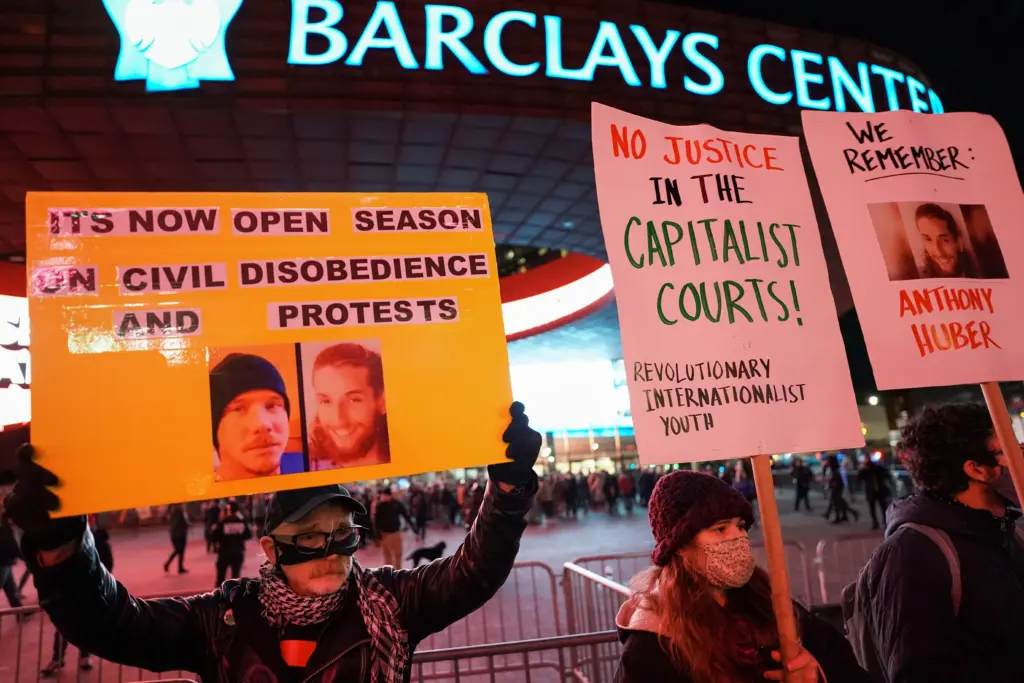
Introduction The case of Kyle Rittenhouse has become a focal point in discussions around self-defense laws, gun rights, and societal violence in the United States. Rittenhouse gained national attention after being involved in a shooting incident during protests in Kenosha, Wisconsin, in 2020. This case raises profound questions regarding the intersections of legality, morality, and
Introduction
The case of Kyle Rittenhouse has become a focal point in discussions around self-defense laws, gun rights, and societal violence in the United States. Rittenhouse gained national attention after being involved in a shooting incident during protests in Kenosha, Wisconsin, in 2020. This case raises profound questions regarding the intersections of legality, morality, and the cultural climate surrounding gun ownership in America.
The Incident
On August 25, 2020, Rittenhouse, then 17 years old, traveled from Illinois to Kenosha, armed with an AR-15-style rifle. The protests in Kenosha were sparked by the police shooting of Jacob Blake, a Black man, which led to demonstrations advocating for racial justice. During the unrest, Rittenhouse shot three individuals, killing two and injuring one, asserting that he acted in self-defense. Video footage circulated widely contributed to public opinion, with some viewing him as a protector of businesses, while others condemned him as an instigator of violence.
The Trial and Verdict
Rittenhouse’s trial began in November 2021, capturing extensive media coverage and public scrutiny. His defense argued that he acted in self-defense, a claim that was bolstered by video evidence and testimonies. The prosecution, however, painted him as a reckless vigilante who incited violence. On November 19, 2021, the jury found Rittenhouse not guilty on all charges, sparking polarized reactions across the nation. Supporters celebrated the verdict as a victory for self-defense rights, while critics denounced it as a troubling precedent for gun violence and vigilantism.
Broader Implications
The Rittenhouse case has ignited debates concerning gun legislation, the Second Amendment, and the legal parameters surrounding self-defense claims. Many advocates for gun control have expressed concerns about the implications of the verdict, fearing it may embolden similar actions in the future. Conversely, gun rights proponents argue that the ruling affirms the importance of the right to bear arms in self-defense situations.
Conclusion
As society continues to grapple with the events surrounding Kyle Rittenhouse, it is apparent that this case represents far more than one individual’s actions in a moment of crisis. It underscores significant cultural and legal divisions within the United States concerning gun rights, self-defense, and law enforcement practices. The discussions prompted by Rittenhouse’s case will likely persist, influencing future policy and public sentiment well into the coming years.