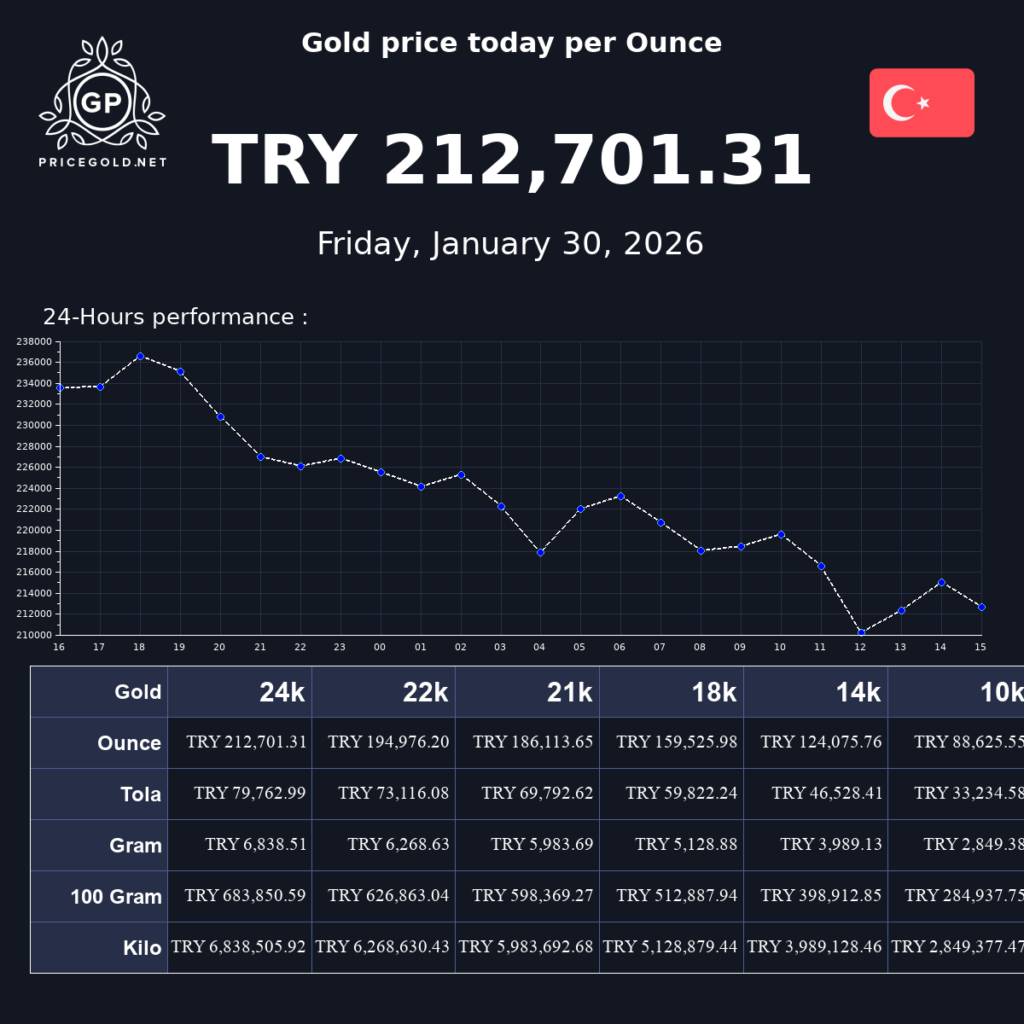
Introduction The price of gold has long been a critical indicator of economic stability and investor confidence. As a tangible asset that often serves as a hedge against inflation and currency fluctuations, understanding the current price trends of gold is essential for investors, economists, and ordinary consumers alike. Recently, geopolitical tensions, inflation fears, and fluctuating
Introduction
The price of gold has long been a critical indicator of economic stability and investor confidence. As a tangible asset that often serves as a hedge against inflation and currency fluctuations, understanding the current price trends of gold is essential for investors, economists, and ordinary consumers alike. Recently, geopolitical tensions, inflation fears, and fluctuating interest rates have played a significant role in determining gold prices. In this article, we delve into the latest developments concerning the price of gold.
Current Price Trends
As of October 2023, the price of gold has shown significant movements, reflecting global uncertainties and fluctuating economic indicators. According to market data from the World Gold Council, the price of gold per ounce has recently been hovering around $1,950, experiencing a rise of approximately 5% over the past month alone. This increase can largely be attributed to ongoing geopolitical tensions, particularly in regions facing conflicts that have historically affected market stability.
Factors Influencing Gold Prices
Several factors contribute to the fluctuations in gold prices. Firstly, inflation rates have surged in various economies, prompting investors to flock to gold as a safe-haven asset. Additionally, the Federal Reserve’s monetary policies, including interest rate adjustments, have a significant impact on gold prices. Generally, lower interest rates tend to make gold more attractive as there is less opportunity cost associated with holding onto the non-yielding asset.
Moreover, retail demand for gold remains strong, especially in emerging markets where cultural significance and investment potential continue to drive purchases. Recent reports indicate that demand from countries like India and China has risen, promoting a bullish outlook for the gold market.
Future Outlook
Looking ahead, analysts predict that the price of gold may continue to experience volatility, influenced by incoming data on inflation and interest rates, along with geopolitical developments. Some experts believe that if current inflationary pressures persist, gold could potentially rise beyond the $2,000 mark per ounce by early 2024. Investors are advised to stay informed about economic indicators and global events to make informed decisions regarding their investments in gold.
Conclusion
The price of gold remains a key focus for various market participants due to its role as a hedge against economic uncertainty. Staying attuned to the various factors influencing gold prices can provide valuable insights for both long-term investors and short-term traders. As the world navigates through challenging economic landscapes, gold is likely to maintain its significance as a critical asset in any diversified portfolio.