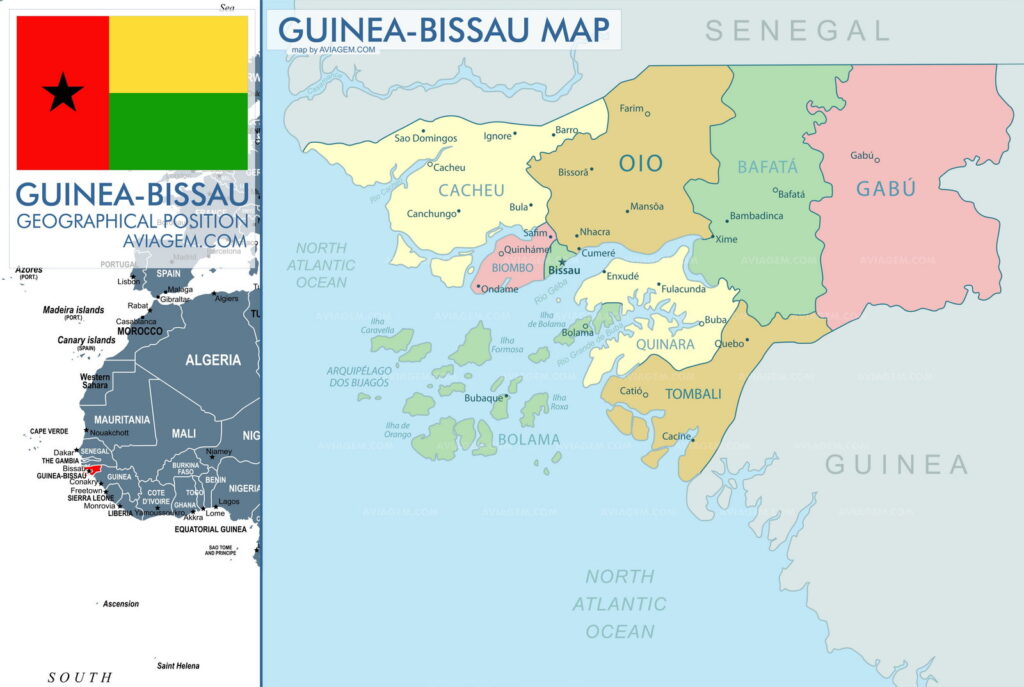
Introduction to Guinea-Bissau Guinea-Bissau, a small West African nation, is often overlooked on the global stage, yet its political landscape and socio-economic challenges are critical to understanding the region’s dynamics. With a history marked by colonialism, military coups, and political unrest, comprehending the recent developments in this country is vital for observers of African politics
Introduction to Guinea-Bissau
Guinea-Bissau, a small West African nation, is often overlooked on the global stage, yet its political landscape and socio-economic challenges are critical to understanding the region’s dynamics. With a history marked by colonialism, military coups, and political unrest, comprehending the recent developments in this country is vital for observers of African politics and for those who seek to understand the broader implications for stability and investment in West Africa.
Current Political Climate
As of October 2023, Guinea-Bissau is witnessing increasing political instability, which has raised concerns among international observers. After the recent parliamentary elections held in March 2023, the ruling party, the African Party for the Independence of Guinea and Cape Verde (PAIGC), faced significant challenges in forming a stable government. Escalating tensions between different political factions have resulted in street protests and a volatile atmosphere, further complicating the governance of the country.
The military’s involvement in politics has also been a growing concern. Following a series of coups in the past decades, the military remains a powerful player in the political landscape of Guinea-Bissau. The potential for further military intervention looms over the current situation, raising the stakes for diplomatic efforts aimed at resolving the ongoing crisis.
Socio-Economic Status
In addition to political challenges, Guinea-Bissau grapples with significant socio-economic issues. The country heavily relies on cashew nuts as a primary export, which makes it vulnerable to fluctuations in global commodity prices. Recent droughts and adverse weather conditions have further exacerbated food insecurity, with many people facing malnutrition. International aid organizations are working to provide relief, but the efficacy of these efforts is often hindered by the unstable political climate.
Conclusion
As we look toward the future, the situation in Guinea-Bissau remains precarious. The intertwining of political instability and socio-economic hardship creates a challenging environment for both the citizens and the international community. Moving forward, it will be crucial for regional organizations like the Economic Community of West African States (ECOWAS) to mediate and facilitate dialogue among competing political factions. Understanding the developments in Guinea-Bissau is not only pertinent for those interested in African affairs but also for international investors whose interests could be affected by the nation’s trajectory. The coming months will be crucial in determining the future stability and prosperity of this often-forgotten nation.