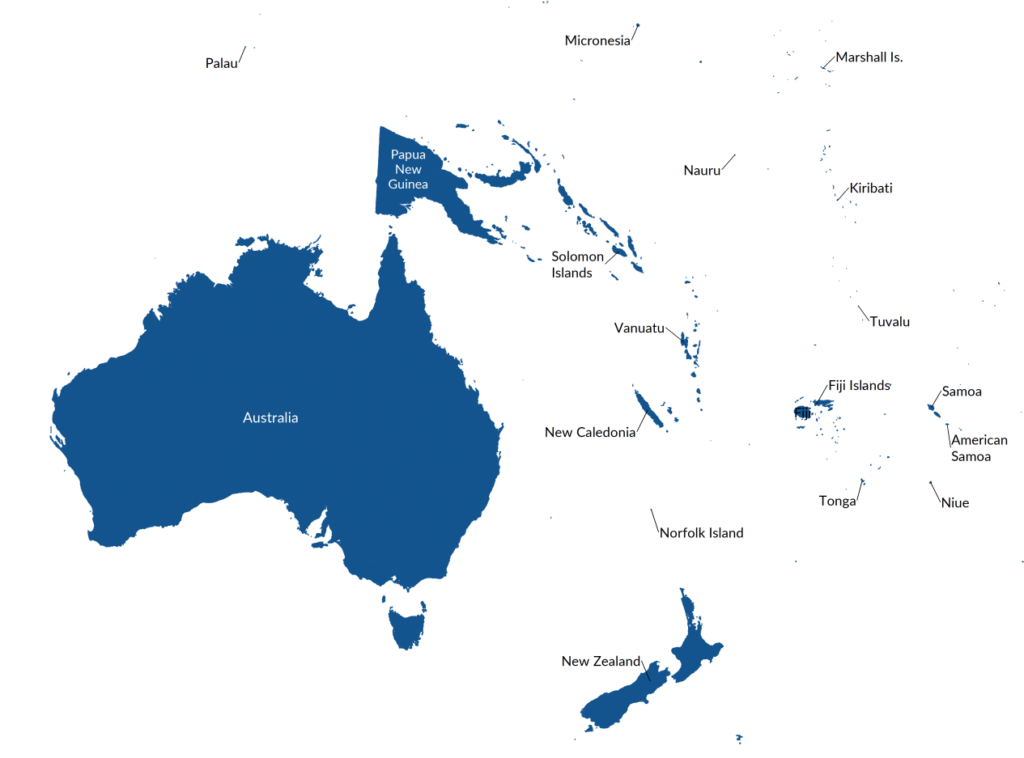
Introduction Oceania, a vast region spanning the Pacific Ocean, consists of numerous islands, cultures, and ecosystems. Comprising countries like Australia, New Zealand, and the Pacific Islands, Oceania is not only pivotal in terms of biodiversity but also increasingly relevant in global discussions regarding climate change, tourism, and indigenous rights. Understanding Oceania is essential for recognizing
Introduction
Oceania, a vast region spanning the Pacific Ocean, consists of numerous islands, cultures, and ecosystems. Comprising countries like Australia, New Zealand, and the Pacific Islands, Oceania is not only pivotal in terms of biodiversity but also increasingly relevant in global discussions regarding climate change, tourism, and indigenous rights. Understanding Oceania is essential for recognizing the interconnectedness of environments and cultures across our planet.
Geographical and Cultural Significance
The geographical layout of Oceania is diverse, with thousands of islands ranging from volcanic to coral formations. It encompasses Melanesia, Micronesia, and Polynesia, each with its unique cultural heritage and languages. Recent studies indicate that over 1,000 distinct languages are spoken in this region, reflecting a rich tapestry of traditions and histories.
Australian Aboriginal and Torres Strait Islander cultures are among the oldest continuing cultures in the world, providing insight into sustainable living practices and a deep connection to the land. In New Zealand, the Maori culture plays a significant role in the national identity, showcasing the importance of indigenous perspectives in modern governance and environmental stewardship.
Current Issues Affecting Oceania
Despite its beauty and cultural wealth, Oceania is facing numerous challenges. Climate change has become one of the most pressing issues, threatening the very existence of some island nations. Rising sea levels and extreme weather events are displacing communities and endangering local ecosystems. Recent climate conferences have seen leaders from the Pacific Islands calling for more robust global action to combat climate change, emphasizing their vulnerability.
Additionally, tourism, while a significant contributor to many economies in Oceania, poses a risk to the delicate environments and social fabric of these nations. Sustainable tourism practices are being encouraged to mitigate the impact of tourism on local cultures and ecosystems.
Conclusion
Oceania is a region of exceptional diversity and beauty with urgent challenges to address. As global awareness grows regarding climate change and indigenous rights, the significance of Oceania in international dialogues is increasingly recognized. For readers, understanding Oceania means appreciating not only its natural splendor but also the resilience and wisdom of its peoples as they navigate the complexities of modern life while holding onto their rich cultural heritage. Engaging with Oceania can inspire better global stewardship of our planet’s resources and cultures.