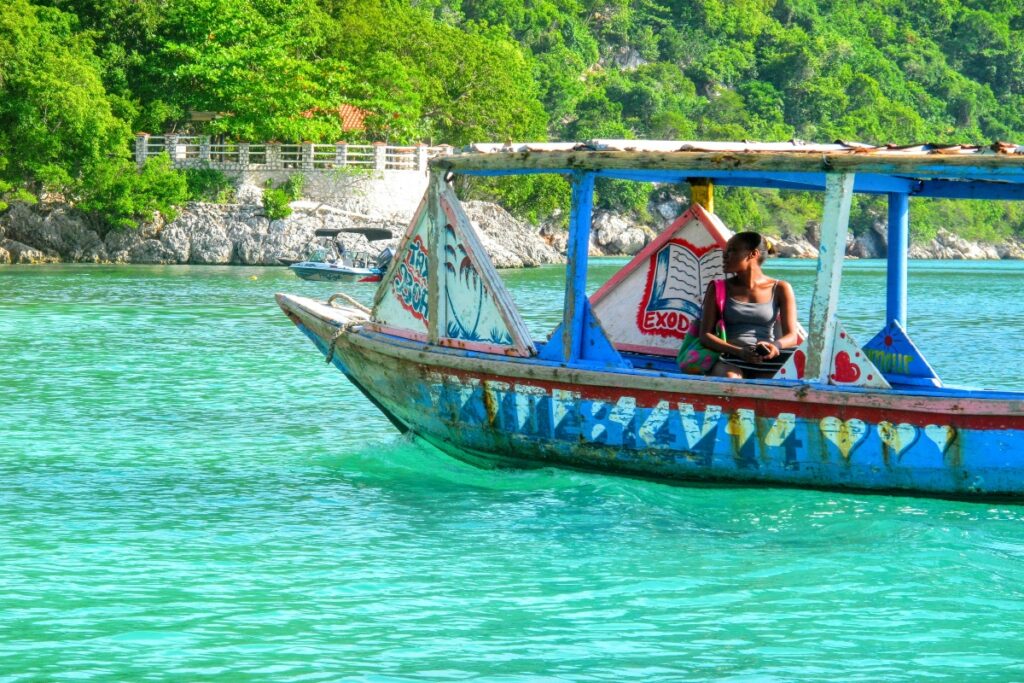
Introduction Haiti, the first independent nation in the Caribbean, continues to face numerous challenges that affect its development and stability. With ongoing political unrest, economic difficulties, and natural disasters, the relevance of Haiti in discussions about human rights, international aid, and regional security has never been more significant. This article aims to explore the current
Introduction
Haiti, the first independent nation in the Caribbean, continues to face numerous challenges that affect its development and stability. With ongoing political unrest, economic difficulties, and natural disasters, the relevance of Haiti in discussions about human rights, international aid, and regional security has never been more significant. This article aims to explore the current events shaping Haiti’s future and the challenges its people face.
Political Turmoil and Governance Issues
The political landscape in Haiti has been characterized by instability. In July 2021, President Jovenel Moïse was assassinated, creating a power vacuum that has led to increased violence and crime, particularly in Port-au-Prince. Since then, multiple interim governments have struggled to establish control, prompting widespread protests and calls for change from the population. In 2023, the situation remains precarious, with rival gangs exerting control over large urban areas, making daily life dangerous for many Haitians.
Humanitarian Crisis
The political turmoil has exacerbated an existing humanitarian crisis. As of October 2023, an estimated 4.9 million people, which accounts for approximately 40% of the population, are facing acute food insecurity. Organizations such as the World Food Programme have raised alarms about the number of families at risk of famine, driven by economic collapse and widespread insecurity. Additionally, access to medical care has declined, worsened by gang violence which hampers hospitals from providing necessary services.
International Response and Assistance
In response to the escalating crisis, the international community has stepped up its efforts to provide support. The United Nations has called for an increase in humanitarian aid to address food shortages and health care needs. Moreover, countries like the United States and Canada have pledged to assist in stabilizing the country and restoring order, although the efficacy of military interventions in such contexts remains a topic of debate.
Conclusion
The situation in Haiti continues to evolve, and its relevance in global discussions on human rights and humanitarian aid is significant. While efforts from both local and international actors are ongoing, the path towards stability and prosperity remains fraught with challenges. Forecasts indicate that without substantial and sustained intervention, Haiti may struggle to overcome its current predicaments. For readers, staying informed about the developments in Haiti is essential as they reflect broader trends in international relations, humanitarian efforts, and global responsibility.