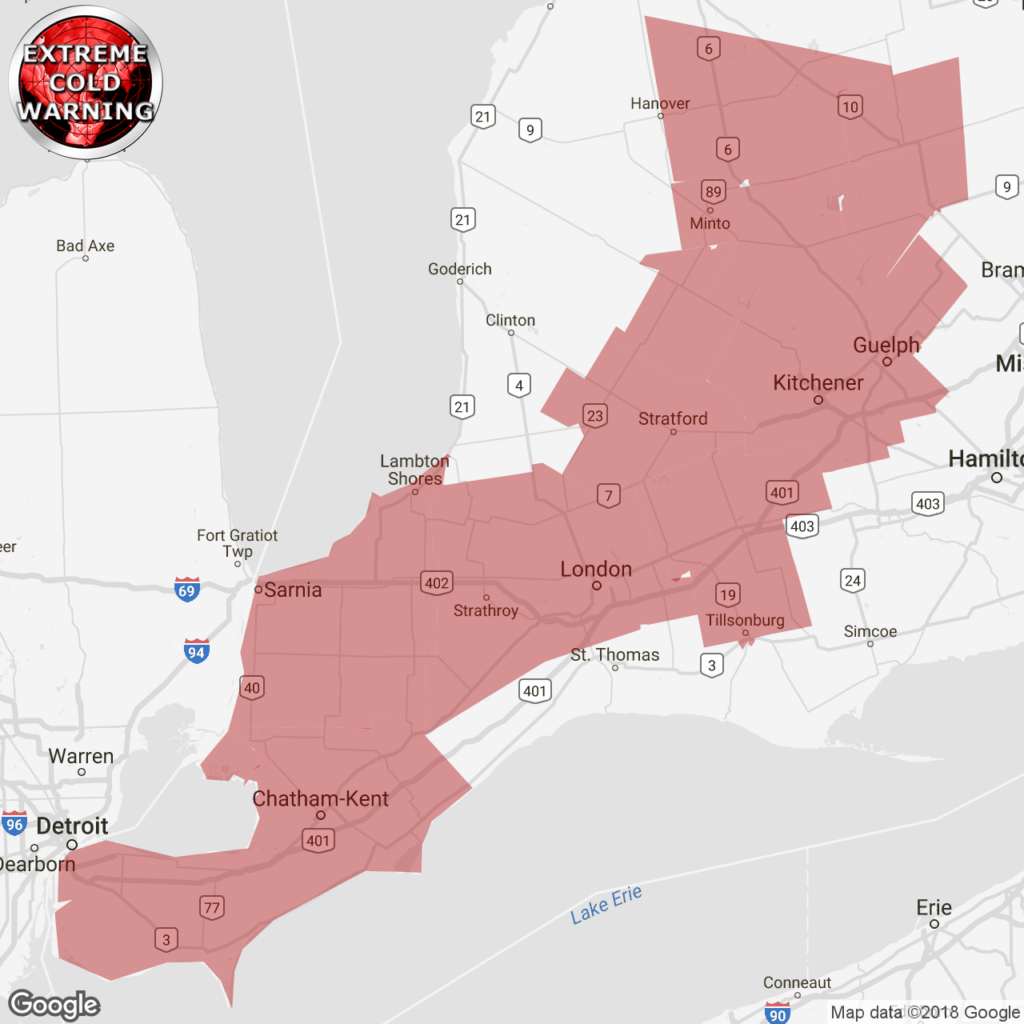
Introduction to Extreme Cold Warnings As winter settles in across many regions of the United States, the National Weather Service (NWS) has issued extreme cold warnings for several states. These alerts are crucial because they can mean the difference between ensuring safety and facing hazardous conditions due to low temperatures. With recent weather patterns causing
Introduction to Extreme Cold Warnings
As winter settles in across many regions of the United States, the National Weather Service (NWS) has issued extreme cold warnings for several states. These alerts are crucial because they can mean the difference between ensuring safety and facing hazardous conditions due to low temperatures. With recent weather patterns causing significant drops in temperature, being aware of these warnings is more critical than ever for the protection of both people and pets.
Details of Recent Warnings
In early February 2023, the NWS declared extreme cold warnings for areas including the Midwest and Northeast, where temperatures were expected to plunge well below freezing. In some areas, wind chill factors were anticipated to make it feel as cold as -30 degrees Fahrenheit. This is particularly dangerous for vulnerable populations, including the elderly and those with health conditions. Local authorities have encouraged residents to prepare by ensuring heating systems are functional, dressing in multiple layers, and avoiding prolonged exposure outdoors.
Impact on Daily Life
The implications of extreme cold can significantly affect daily life. Travel disruptions are common, with icy roads leading to hazardous driving conditions. Additionally, schools in some affected areas have shifted to online learning to keep children safe, while public transport services are running on modified schedules. Energy demand typically surges during extreme cold spells, raising concerns about outages and increased heating costs.
Safety Precautions
To remain safe during extreme cold conditions, experts recommend several precautions:
- Stay indoors whenever possible.
- Use space heaters safely, ensuring proper ventilation and distance from flammable materials.
- If you must go outside, limit your exposure and wear a hat, gloves, and a scarf to protect against frostbite.
- Check on neighbors and family members, particularly elderly individuals who may be at higher risk.
Conclusion and Importance of Awareness
Extreme cold warnings are more than just alerts; they are essential tools that save lives and prevent injuries. Understanding these warnings and taking them seriously can help individuals and families remain safe during harsh winter temperatures. As climate patterns continue to shift, it’s also important for communities to prepare for increased frequency of extreme weather events. Staying informed and prepared can make a significant difference in coping with the impacts of extreme cold.