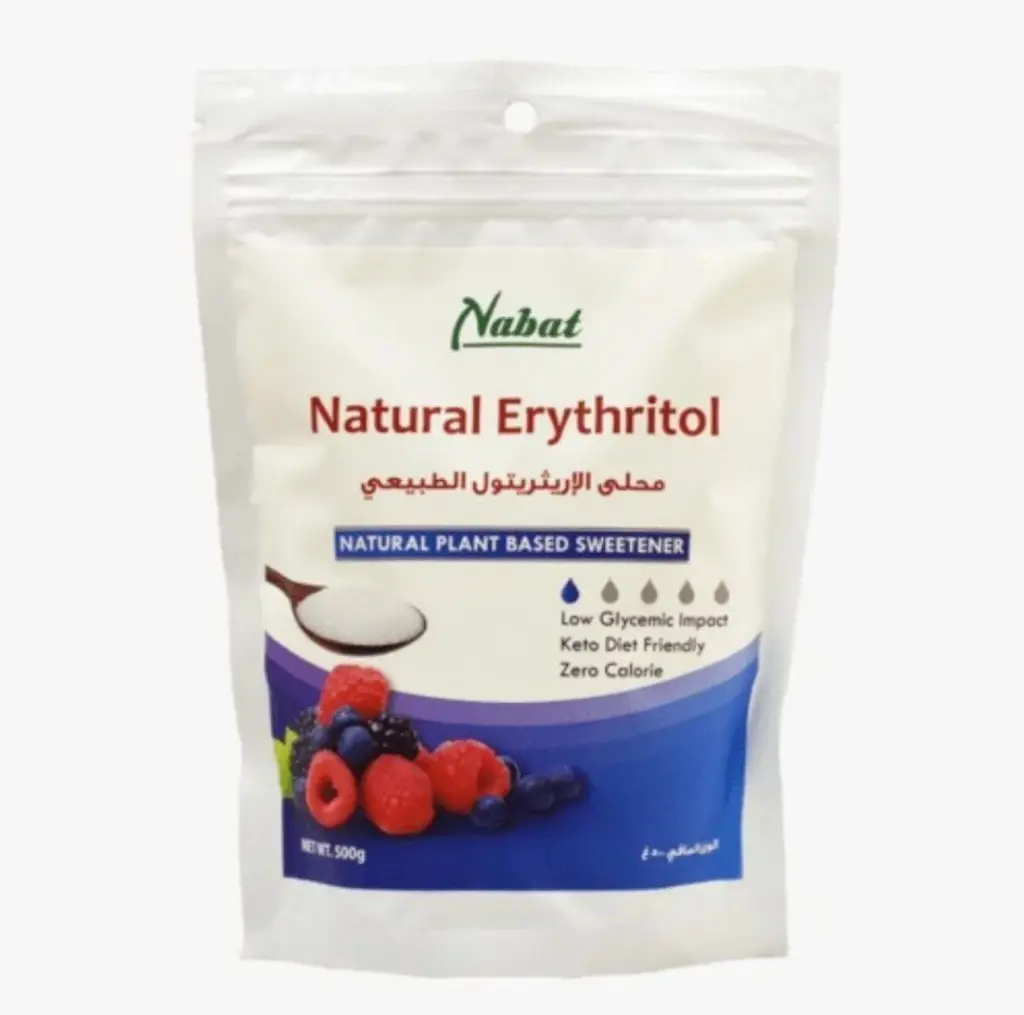
Introduction Erythritol sweetener has gained popularity as a sugar substitute in recent years, particularly among health-conscious consumers and those following low-calorie or ketogenic diets. With the rise in obesity and diabetes rates, many individuals are seeking healthier alternatives to traditional sugars. Understanding erythritol, its benefits, and potential concerns is crucial for informed dietary choices. What
Introduction
Erythritol sweetener has gained popularity as a sugar substitute in recent years, particularly among health-conscious consumers and those following low-calorie or ketogenic diets. With the rise in obesity and diabetes rates, many individuals are seeking healthier alternatives to traditional sugars. Understanding erythritol, its benefits, and potential concerns is crucial for informed dietary choices.
What is Erythritol?
Erythritol is a sugar alcohol (polyol) that occurs naturally in small amounts in certain fruits, such as grapes, melons, and pears. It is known for its crystalline texture and ability to mimic the sweetness of sugar, with approximately 60-80% of the sweetness compared to sucrose. One of its most significant advantages is that it contains almost zero calories, making it an attractive option for people looking to reduce calorie intake.
Health Benefits
Research has shown that erythritol has several health benefits. Since it is absorbed in the intestines and excreted unchanged through urine, it does not contribute to blood sugar elevation, making it a safe option for diabetics. Additionally, erythritol does not cause dental cavities, making it a favorable choice over traditional sugars.
Recent Studies and Concerns
Despite its advantages, some recent studies have raised questions about potential health risks associated with erythritol. A major study published in the journal Nature in 2022 suggested a link between high erythritol consumption and increased cardiovascular risk. The research indicated that elevated erythritol levels in the blood correlated with adverse heart events. However, more research is needed to establish a definitive link and understand the mechanism behind these findings.
Conclusion
In summary, erythritol is a popular low-calorie sweetener that offers various health benefits, especially for people aiming to control their weight and blood sugar levels. However, the potential risks highlighted by recent studies cannot be ignored. Consumers should approach erythritol, as with any food product, with an awareness of moderation. Future research will likely clarify the long-term effects of erythritol on health, allowing consumers to make informed choices about its incorporation into their diet.