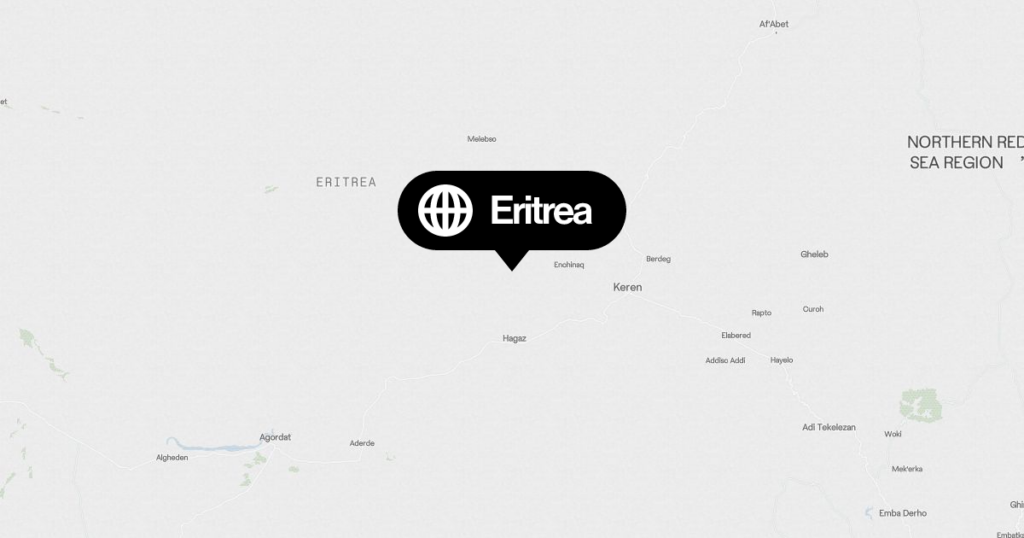
Introduction Eritrea, a small East African country located on the Horn of Africa, is often overshadowed in global discourse despite its rich history and strategic significance. Bordered by the Red Sea and sharing borders with three countries, Eritrea’s geopolitical position has molded its destiny. As the world focuses on complex issues like migration and geopolitical
Introduction
Eritrea, a small East African country located on the Horn of Africa, is often overshadowed in global discourse despite its rich history and strategic significance. Bordered by the Red Sea and sharing borders with three countries, Eritrea’s geopolitical position has molded its destiny. As the world focuses on complex issues like migration and geopolitical tensions, understanding Eritrea’s past and present becomes increasingly relevant.
A Brief Historical Context
Eritrea’s history is marked by colonization, war, and independence. In 1961, Eritrea began a 30-year war of independence against Ethiopian rule, which culminated in its successful liberation in 1991. The nation officially became independent in 1993 after a UN-supervised referendum. Yet, post-independence, Eritrea has struggled with dictatorial governance, lack of press freedom, and intermittent conflict with Ethiopia, which has significantly impacted its development and international relationships.
Current Political and Economic Landscape
As of 2023, Eritrea’s political landscape still reflects a government led by President Isaias Afewerki, who has been in power since independence. The nation operates without a constitution, and political dissent is often met with repression. This situation has led to a humanitarian crisis, with thousands fleeing the country in search of better opportunities. The economy remains predominantly state-controlled, focusing on subsistence agriculture and mining, but faces challenges such as food insecurity and lack of infrastructure.
International Relations and Recent Developments
In recent years, Eritrea has been attempting to improve its relations with neighboring Ethiopia, evidenced by the peace agreement signed in 2018 after two decades of hostility. However, tensions still simmer regarding border disputes and ethnic conflicts that affect the region. International organizations, including the United Nations, have called for improved human rights conditions in Eritrea, stressing the need for political reforms to ensure the welfare of its citizens.
Conclusion
The significance of Eritrea extends beyond its borders as the nation navigates its identity amidst regional dynamics and global scrutiny. Understanding the challenges faced by Eritrea is essential for grasping broader themes of migration, human rights, and economic development in East Africa. As Eritrea stands at a crossroads, the prospects for democracy and prosperity will rely heavily on internal reforms and the international community’s engagement in fostering sustainable development.