Introduction to Coastal Flood Watches In light of rising sea levels and increased storm intensity due to climate change, the phenomenon of coastal flooding has become a pressing concern for many communities. Coastal flood watch alerts serve as crucial notifications that help inform residents and local authorities about potential flooding threats due to astronomical tides,
Introduction to Coastal Flood Watches
In light of rising sea levels and increased storm intensity due to climate change, the phenomenon of coastal flooding has become a pressing concern for many communities. Coastal flood watch alerts serve as crucial notifications that help inform residents and local authorities about potential flooding threats due to astronomical tides, heavy rainfall, or storm surges. These alerts play a significant role in disaster preparedness and response, enabling communities to take proactive measures to safeguard lives and property.
Recent Developments in Coastal Flood Alerts
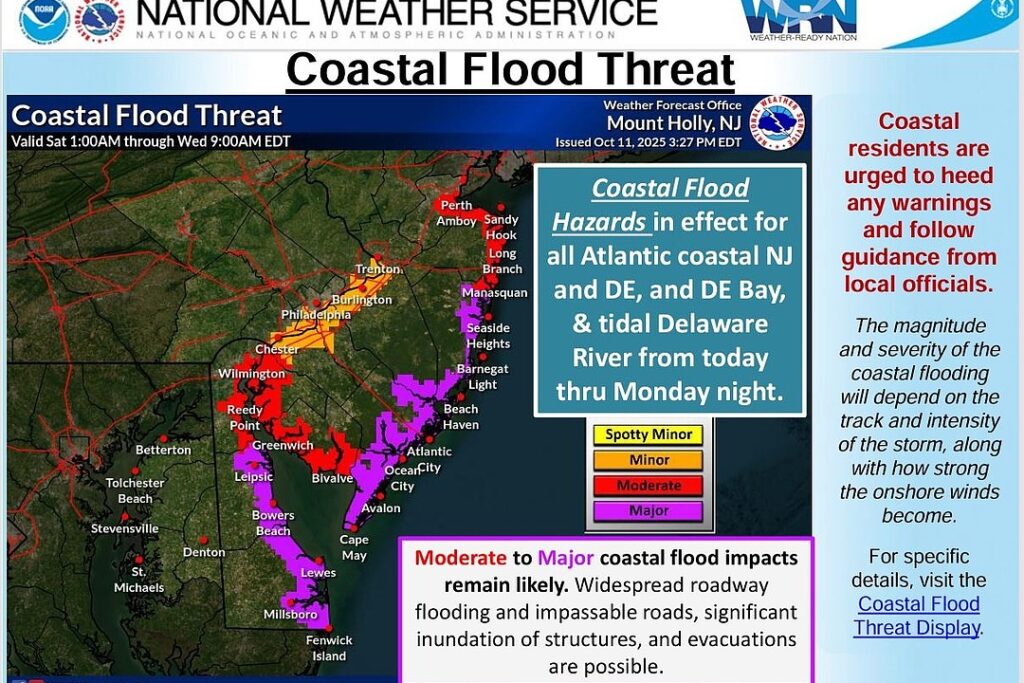
This week, the National Weather Service issued several coastal flood watches along the Atlantic and Gulf coasts in response to an approaching storm system. Forecasts indicate that elevated tides combined with strong winds may lead to coastal flooding, particularly during high tide. Areas in states like New Jersey, Florida, and Louisiana are under watch, prompting local officials to prepare emergency response protocols and educate residents on safety measures. The alerts are expected to remain in effect over the weekend, coinciding with predicted heavy rains that may exacerbate flooding conditions.
In recent months, developments in forecasting technology have improved the accuracy of coastal flood predictions, allowing early warnings to be disseminated more effectively. Enhanced modeling techniques, combined with real-time data collection, provide invaluable insights into storm patterns and tidal changes, making it easier for meteorologists to issue timely coastal flood watch alerts.
Community Response and Preparedness
When a coastal flood watch is issued, it is a call to action for residents living in flood-prone areas. Local governments typically mobilize resources and disseminate information about potential evacuation routes, emergency shelters, and necessary safety precautions. Additionally, community outreach initiatives aim to raise awareness about the importance of heeding these alerts. Empowering residents with knowledge about their risks can greatly mitigate the impacts of coastal flooding, as evidenced by the responses during recent storm events.
Conclusion
As climate change continues to affect weather patterns, an increase in the frequency and severity of coastal flood events is anticipated. Thus, the importance of coastal flood watch alerts cannot be overstated; they serve as vital tools for preparedness and community safety. Awareness and understanding of these alerts can make a significant difference in minimizing the impact of flooding on those living in coastal areas. Residents are encouraged to stay informed about watches and warnings issued in their region and to take the necessary precautions to protect themselves and their property.