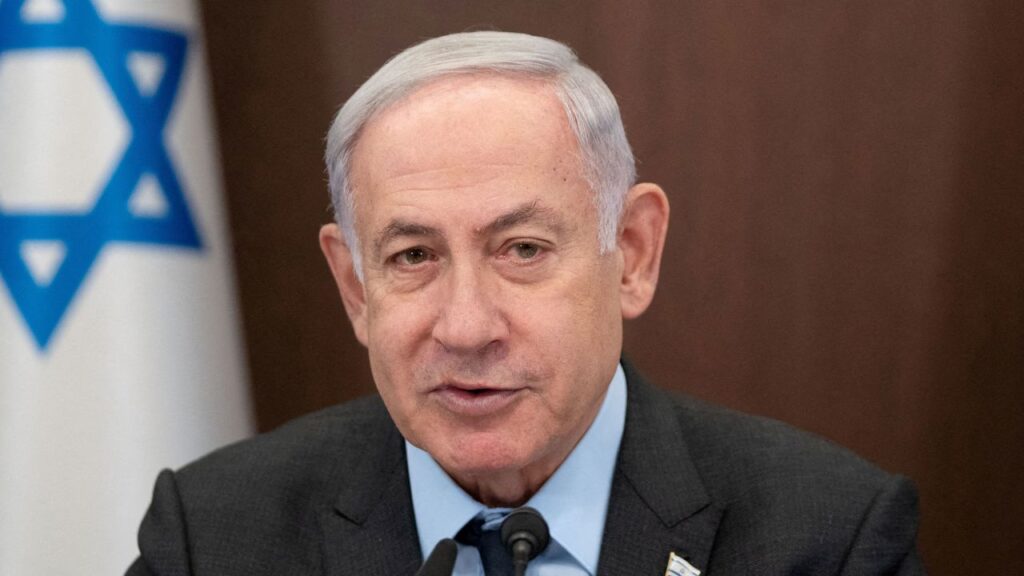
Introduction Benjamin Netanyahu, Israel’s longest-serving prime minister, continues to be a central figure in the nation’s politics. His leadership has been pivotal in shaping both domestic and international policies, particularly in light of ongoing conflicts and diplomatic relationships. As Israel faces numerous challenges, including security concerns and socio-political divisions, Netanyahu’s role has intensified, making his
Introduction
Benjamin Netanyahu, Israel’s longest-serving prime minister, continues to be a central figure in the nation’s politics. His leadership has been pivotal in shaping both domestic and international policies, particularly in light of ongoing conflicts and diplomatic relationships. As Israel faces numerous challenges, including security concerns and socio-political divisions, Netanyahu’s role has intensified, making his actions and decisions crucial to understanding Israel’s future.
Recent Developments
In recent months, Netanyahu has faced considerable scrutiny over his government’s handling of various pressing issues, including the conflict with Hamas, which escalated dramatically in October 2023. The violence prompted widespread condemnation and led to protests within Israel, urging the government to adopt a more conciliatory approach towards the Palestinian territories.
Furthermore, Netanyahu’s controversial judicial reforms aimed at curtailing the power of the judiciary have sparked significant dissent among the public and opposition parties. Critics argue that these reforms threaten democracy and undermine the rule of law, prompting massive protests across the country. Such dynamics highlight the tense relationship between Netanyahu’s government and various civil movements, raising questions about the future stability of his administration.
International Relations
On the international front, Netanyahu has been actively seeking to strengthen Israel’s alliances, particularly with the United States and Gulf States. Following the normalization of relations with several Arab nations, Netanyahu recently engaged with world leaders to bolster security cooperation and trade. However, tensions with Iran remain a substantial concern, adding complexity to Israel’s foreign policy strategies. Netanyahu’s approach has often invoked mixed reactions in global politics, with supporters praising his assertive stance against perceived threats, while detractors criticize his role in escalating tensions.
Conclusion
As Benjamin Netanyahu navigates through a turbulent political landscape, his leadership remains pivotal to Israel’s future trajectory. The upcoming elections and the outcome of judicial reforms will significantly impact his administration’s stability and Israel’s democratic integrity. Analysts will continue to closely monitor how Netanyahu’s decisions influence regional security and international relations. As Israel confronts both external and internal challenges, the decisions made by Netanyahu will not only shape the nation’s immediate future but also its long-term standing in the global arena.