Introduction School delays have become an increasingly relevant topic in recent years, driven by various factors including weather events, public health issues, and transportation challenges. These delays can significantly impact students’ academic performance, mental health, and overall school year. Understanding the causes and implications of these delays is crucial for parents, educators, and policymakers as
Introduction
School delays have become an increasingly relevant topic in recent years, driven by various factors including weather events, public health issues, and transportation challenges. These delays can significantly impact students’ academic performance, mental health, and overall school year. Understanding the causes and implications of these delays is crucial for parents, educators, and policymakers as they navigate the complexities of school management.
Recent Trends in School Delays
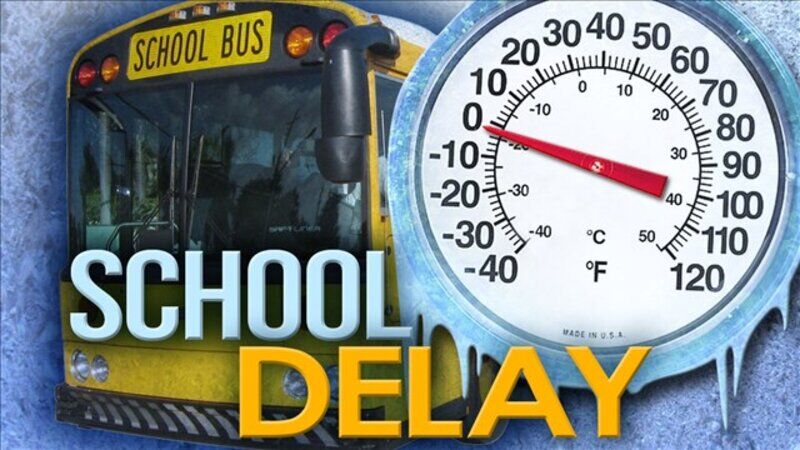
As the 2023-2024 school year progresses, many districts across the United States are experiencing an uptick in school delays, often linked to severe weather conditions. For example, areas hit by hurricanes and snowstorms have reported numerous closures or delayed start times, emphasizing the importance of emergency preparedness in the educational sphere. According to the National Weather Service, school districts in affected areas have been quick to implement their contingency plans to ensure student safety.
Moreover, the lingering effects of the COVID-19 pandemic continue to play a role in school operations. Many schools report delays due to staffing shortages, which have arisen as educators face illness or quarantine protocols. Districts are increasingly relying on substitute teachers and support staff to maintain operations, a move that often leads to adjustments in school schedules.
Implications of School Delays
The implications of school delays extend beyond mere inconvenience. Educational research has demonstrated that interruptions in the school calendar can lead to gaps in learning, particularly for at-risk students. These interruptions may hinder the academic progress that students make during the year, increasing the likelihood of lower proficiency levels during assessments.
Additionally, mental health professionals warn that the unpredictability associated with school delays can contribute to stress and anxiety among students and parents. This is particularly evident in assessments conducted annually by education departments, which highlight significant concerns around student well-being during chaotic school years.
Conclusion
In conclusion, the phenomenon of school delays presents multifaceted challenges for communities nationwide. As schools adapt to an environment that frequently changes, it is essential for parents and educators to remain informed about policies and approaches that districts are employing to mitigate these disruptions. Looking ahead, an increased focus on resilience planning could improve the way schools handle delays and protect students’ educational experiences. Awareness of these issues is vital as stakeholders work together to create lasting solutions in the face of ongoing challenges.