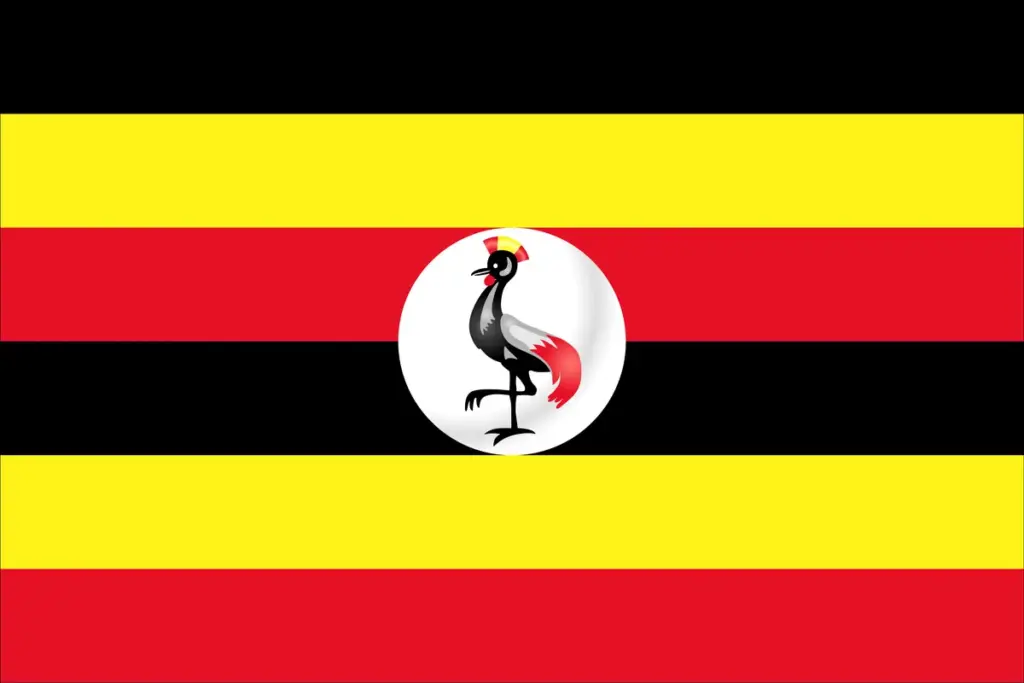
Uganda’s military chief has declared support for Israel in its ongoing conflict with Iran, indicating potential military involvement.
As the conflict between Israel and Iran escalates, Uganda’s military stance has come into sharp focus. On March 26, 2026, Muhoozi Kainerugaba, the chief of defense forces and son of President Yoweri Museveni, made a significant announcement regarding Uganda’s position in this ongoing war.
Kainerugaba stated that Uganda would join the war on the side of Israel if the situation deteriorates further. He emphasized, “We want the war in the Middle East to end now. The world is tired of it. But any talk of destroying or defeating Israel will bring us into the war — on the side of Israel.” This declaration highlights Uganda’s commitment to supporting Israel amid rising tensions.
In addition to expressing military support, Kainerugaba announced plans to erect a statue honoring Yonatan Netanyahu, a figure remembered for his role in a hostage rescue operation in Uganda in 1976. This move underscores Uganda’s historical ties to Israel and its leaders.
As of now, Uganda ranks 107th among the world’s strongest militaries, with a defense budget of $1.5 billion. The Uganda People’s Defense Force (UPDF) comprises 45,000 active troops and an additional 10,000 in paramilitary units. The air force operates 51 aircraft, of which 26 are combat-ready, while ground forces are equipped with over 250 tanks and 12 multiple launch rocket systems.
The conflict has intensified since late February, with large-scale casualties reported, prompting Kainerugaba’s remarks. He has reiterated that “Israel has a right to exist and attacks against her must stop,” further solidifying Uganda’s position in the international discourse surrounding the conflict.
Kainerugaba’s statements reflect a broader sentiment among some African leaders regarding the Middle East conflict, as they navigate their nations’ foreign policies in a complex geopolitical landscape. His comments also suggest a readiness to engage militarily if the situation escalates, which could have significant implications for regional stability.
As events unfold, the international community will be watching closely to see how Uganda’s military involvement might shape the dynamics of the ongoing conflict between Israel and Iran. The implications of Kainerugaba’s statements are profound, particularly for Uganda’s relationships with both Middle Eastern nations and its allies.
Details remain unconfirmed regarding the specific nature of Uganda’s potential military involvement, but the commitment to support Israel has been clearly articulated by Kainerugaba. This situation continues to evolve, and the world awaits further developments.