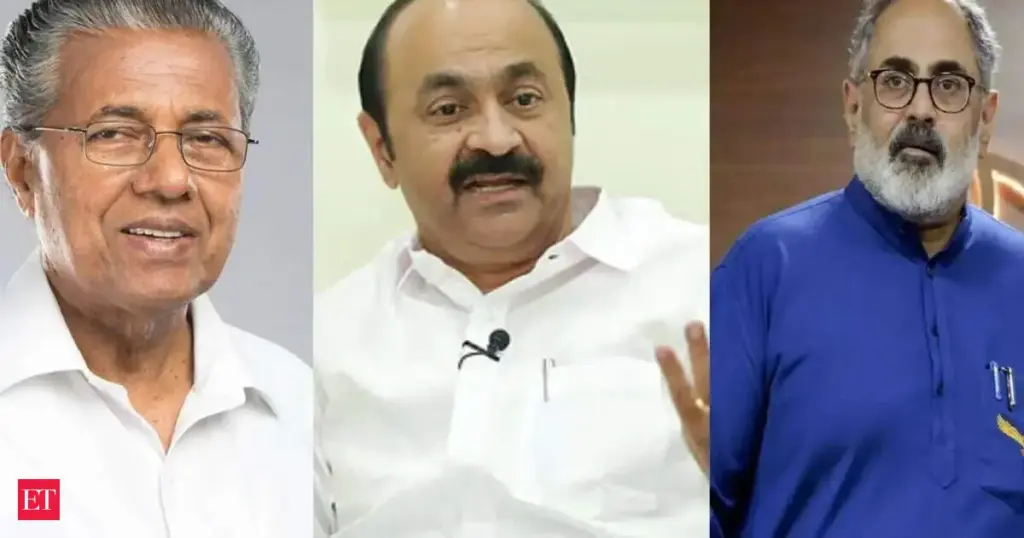
The UDF’s victory in the Kerala Assembly elections signifies a major change in voter sentiment, ending the LDF’s long-standing control.
The United Democratic Front (UDF) has achieved a remarkable victory in the Kerala Assembly elections, winning 102 out of 140 seats and marking a significant shift from the previous Left Democratic Front (LDF) dominance.
This election result is particularly striking given that just two years ago, the LDF secured power with 99 seats. The verdict marks a decisive turnaround from the 2021 election, demonstrating a clear shift in voter sentiment against the LDF after its previous two terms in power. What led to this dramatic change?
Voter sentiment analysis reveals that dissatisfaction with Pinarayi Vijayan’s administration played a crucial role. As one political analyst noted, “Pinarayi’s progress card, it turns out, was not signed by the electorate.” This statement encapsulates the disconnect between governmental achievements and public perception.
Key election outcomes:
- The UDF won 102 seats, reclaiming power decisively.
- The LDF managed only 35 seats, a significant drop from its previous standing.
- The Indian National Congress, part of the UDF coalition, improved its performance by winning 63 seats.
- The Indian Union Muslim League contributed an additional 22 seats to the UDF’s tally.
- The Communist Party of India (Marxist) saw its seat count plummet from 62 in 2021 to just 26.
- The Bharatiya Janata Party also made gains, winning 3 seats compared to past performances.
This election marks the first time in fifty years that no state in India will have a Left government. The party that once held West Bengal for three unbroken decades and clung to Kerala as its last fortress has no fallback position. Such a historic loss raises questions about the future direction of leftist politics in India.
Looking ahead, this shift may prompt significant changes within both major parties. The UDF will likely focus on consolidating its power and addressing voter concerns that led to its resurgence. Meanwhile, the LDF must reassess its strategies and reconnect with an electorate that has clearly expressed its dissatisfaction.