Introduction Sulfuric acid is one of the most widely used industrial chemicals globally, accounting for millions of tons of production every year. Its significance arises not only from its application in various manufacturing processes but also from its role in the economy and environmental impact. Industries ranging from fertilizers to batteries heavily rely on sulfuric
Introduction
Sulfuric acid is one of the most widely used industrial chemicals globally, accounting for millions of tons of production every year. Its significance arises not only from its application in various manufacturing processes but also from its role in the economy and environmental impact. Industries ranging from fertilizers to batteries heavily rely on sulfuric acid, making it crucial for both chemical production and sustainability efforts.
Key Uses of Sulfuric Acid
One of the primary applications of sulfuric acid is in the production of fertilizers, particularly ammonium sulfate, which is vital for agriculture. Its role in the manufacture of phosphoric acid also underscores its importance in nutrient supply for plants.
Besides agriculture, sulfuric acid is a critical component in the production of batteries, especially lead-acid batteries commonly used in vehicles. This acid facilitates the chemical reactions necessary for energy storage and discharge.
The chemical industry views sulfuric acid as an essential reagent for synthesizing numerous chemical compounds, including hydrofluoric acid, nitric acid, and various organic chemicals. It serves also as a dehydrating agent in making cellulose and nylon.
Safety Measures and Environmental Concerns
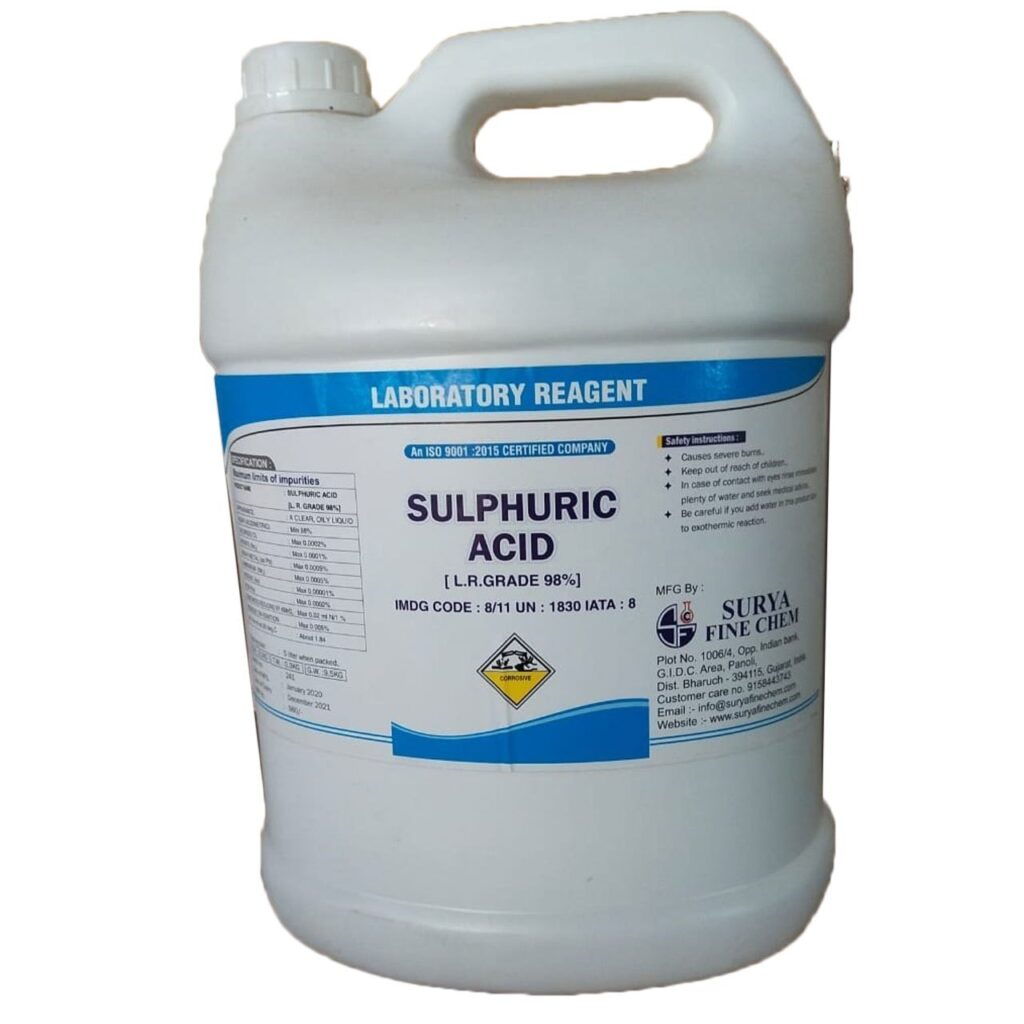
While sulfuric acid is invaluable, it is also a highly corrosive substance that can pose serious safety risks. Exposure to sulfuric acid can result in severe burns and respiratory hazards, necessitating strict safety regulations in its handling and storage. Workers in industries that use sulfuric acid must be equipped with appropriate protective gear and training to manage potential spills or accidents.
In light of its environmental impact, there are ongoing discussions about more sustainable practices related to sulfuric acid production and use. Organizations are exploring alternative methods that lessen chemical waste and aim for greener production processes to minimize ecological footprints.
Conclusion
Sulfuric acid remains a cornerstone of modern industry due to its diverse applications and economic importance. As society progresses toward sustainability, the industry faces both challenges and opportunities to improve practices related to this essential chemical. Future regulations and innovations will likely shape how sulfuric acid is produced and used, ensuring that its benefits continue while mitigating risks to health and the environment.