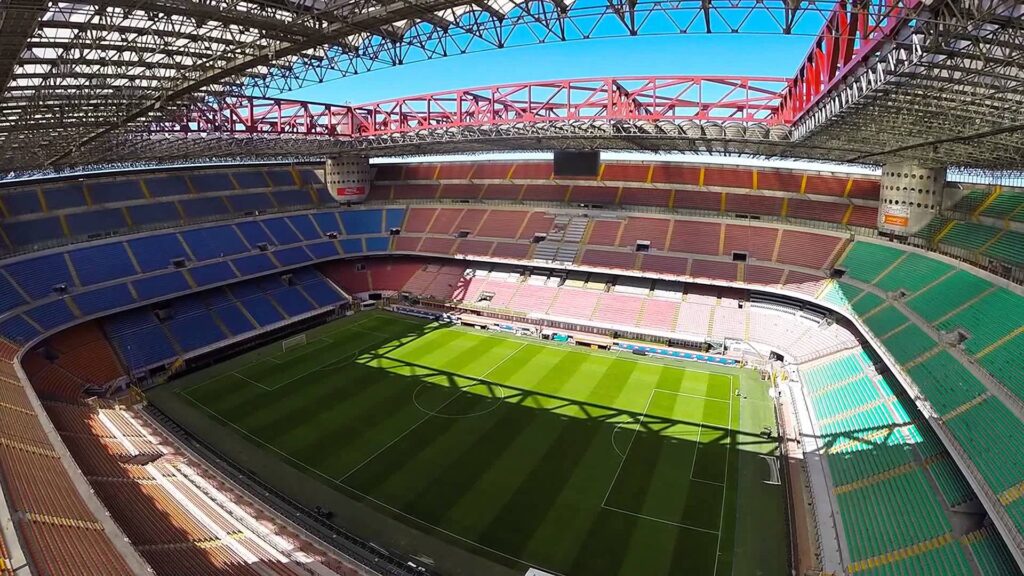
Introduction San Siro Stadium, also known as Stadio Giuseppe Meazza, stands as one of the most iconic football venues in the world. Located in Milan, Italy, this stadium is not only a home to two major football clubs, AC Milan and Inter Milan but also a symbol of sports culture, hosting numerous high-profile events, including
Introduction
San Siro Stadium, also known as Stadio Giuseppe Meazza, stands as one of the most iconic football venues in the world. Located in Milan, Italy, this stadium is not only a home to two major football clubs, AC Milan and Inter Milan but also a symbol of sports culture, hosting numerous high-profile events, including concerts and international competitions. Its relevance in the global sports arena and deep-rooted legacy make it a focal point for football fans and tourism in Milan.
Historical Overview
Opened in 1926, San Siro initially served as the home ground for AC Milan. Designed by architect Ulrico Hoepli, the stadium was conceived to provide a top-notch experience for fans. With a capacity of over 75,000, it became the largest stadium in Italy and, for decades, a fortress for the Rossoneri. In 1947, Inter Milan became the co-tenant, leading to the dual tenant model that would define the stadium for years to come. Over the decades, San Siro has undergone several renovations and expansions, notably in 1990 to enhance its facilities for the 1990 FIFA World Cup.
Recent Developments
As of 2023, discussions are underway regarding the future of San Siro. Amid increasing demands for modern facilities and greater revenue generation, AC Milan and Inter Milan are contemplating building a new stadium, while also considering upgrading San Siro. There has been a public outcry to preserve the historic structure, echoing the sentiments of thousands of fans globally who cherish its cultural importance. The debate over its future signifies a crucial moment in the ongoing evolution of football venues.
Conclusion
San Siro Stadium holds a crucial place not only in the heart of Milan but also in international football history. As plans for its potential redevelopment unfold, the importance of balancing modernization with preservation remains key. The ongoing discussions around its future reflect a broader trend in sports where historical venues are facing pressures from commercial interests. For football fans and local residents, what transpires next in the story of San Siro will be both significant and consequential, ensuring that the legacy of this legendary stadium continues to thrive for generations to come.