Introduction to Eurovision The Eurovision Song Contest is not just a competition; it is a cultural phenomenon that brings nations together through music. Launched in 1956, this annual event showcases diverse musical talents from across Europe, resonating with millions of viewers worldwide. Eurovision has become a symbol of unity, creativity, and the shared love for
Introduction to Eurovision
The Eurovision Song Contest is not just a competition; it is a cultural phenomenon that brings nations together through music. Launched in 1956, this annual event showcases diverse musical talents from across Europe, resonating with millions of viewers worldwide. Eurovision has become a symbol of unity, creativity, and the shared love for music.
Recent Developments in Eurovision
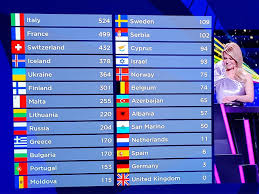
The 2023 Eurovision Song Contest recently took place in Liverpool, England, representing the United Kingdom for the second consecutive year due to Ukraine winning in 2022. The contest featured 37 countries and a vibrant array of performances, focusing on themes of peace and solidarity, especially significant in the context of the ongoing conflict in Ukraine. Notable entries included the Italian group GIANMARIA and the Swedish representative Loreen, who won for the second time, solidifying her place in Eurovision history.
Additionally, the contest has seen increased engagement from countries outside Europe. Australia has participated since 2015, illustrating the global reach and appeal of Eurovision. The inclusion of these countries highlights the event’s aim to promote a sense of community among nations, embracing not only Europe but the world at large.
The Impact of Eurovision on Music and Culture
The significance of Eurovision extends beyond entertainment. It has the power to influence music trends, introduce new artists, and launch careers. For instance, artists like ABBA and Celine Dion gained international recognition through their Eurovision performances. Furthermore, the contest has become a platform for advocacy, featuring performances that promote social issues, diversity, and inclusion.
Conclusion
In conclusion, the Eurovision Song Contest continues to hold its place as a vital cultural event that connects people through music. As it adapts to contemporary issues and incorporates global participants, its significance only grows. Looking ahead, Eurovision’s role in fostering international unity and celebrating diversity through music will remain essential. Fans and participants alike eagerly await the next edition, hopeful for inspiring performances that echo beyond the stage.