Introduction to the Blood Moon The Blood Moon, a term that has fascinated humanity for centuries, refers to a total lunar eclipse when the Earth casts a shadow on the Moon, causing it to appear a striking red color. This phenomenon transcends mere aesthetics; it has significant astronomical importance, cultural implications, and is a subject
Introduction to the Blood Moon
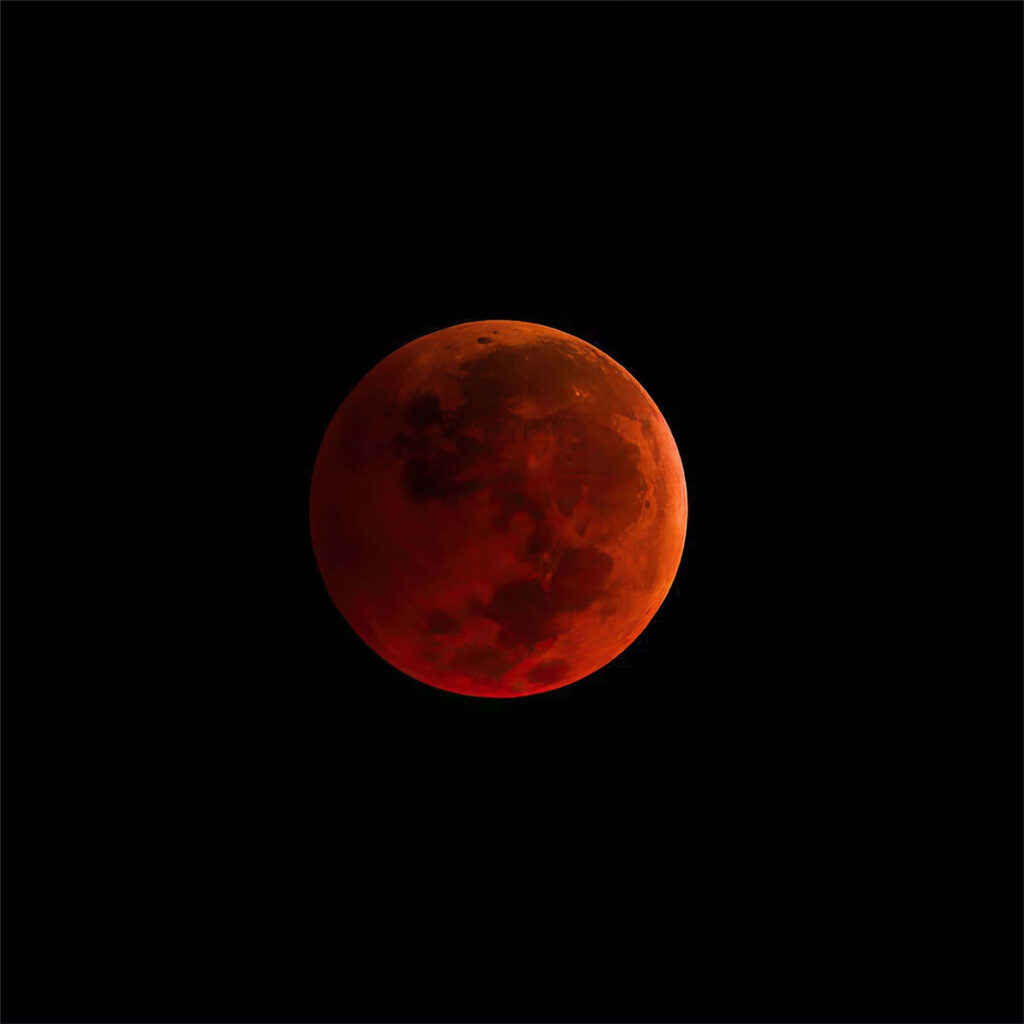
The Blood Moon, a term that has fascinated humanity for centuries, refers to a total lunar eclipse when the Earth casts a shadow on the Moon, causing it to appear a striking red color. This phenomenon transcends mere aesthetics; it has significant astronomical importance, cultural implications, and is a subject of interest for scientists and skywatchers alike. Recently, a blood moon was visible globally, reigniting interest in this celestial event.
What Causes a Blood Moon?
The Blood Moon occurs during a total lunar eclipse when the Earth is positioned directly between the Sun and the Moon. Sunlight passes through the Earth’s atmosphere, scattering shorter blue wavelengths and allowing the longer red wavelengths to reach the Moon, giving it a reddish hue. Unlike other lunar events, this transformative spectacle is not only visually stunning but is also an opportunity for astronomers to study the Moon’s surface and Earth’s atmosphere.
Recent Blood Moon Events
On the night of November 8, 2022, a significant blood moon graced skies across North America, creating a perfect setting for star gazers and photographers. Thousands gathered to view the event as social media platforms buzzed with photos, videos, and real-time livestreams of the eclipse. This blood moon was particularly notable as it occurred close to the peak of the beaver moon, traditionally associated with the time for beaver trapping as winter approached.
Cultural Significance
Through history, the blood moon has inspired numerous myths, legends, and cultural practices. Many ancient civilizations viewed these lunar events as omens, linking them to significant changes or disasters. In the modern era, some individuals and groups still associate blood moons with prophetic events, though these views lack empirical support. The fascination with the blood moon serves as a reminder of humanity’s quest for meaning in the cosmos.
Conclusion and Future Blood Moons
As interest in astronomical events continues to rise, the significance of the blood moon remains vital for both educational and recreational purposes. The next anticipated blood moon is expected on March 14, 2025, providing another opportunity for people to engage with the cosmos. Such events not only enhance public appreciation for astronomy but also foster a sense of community among those who gather to witness these celestial wonders. Whether observed through telescopes or simply reflected upon during clear nights, blood moons enrich our understanding of the universe and our place within it.