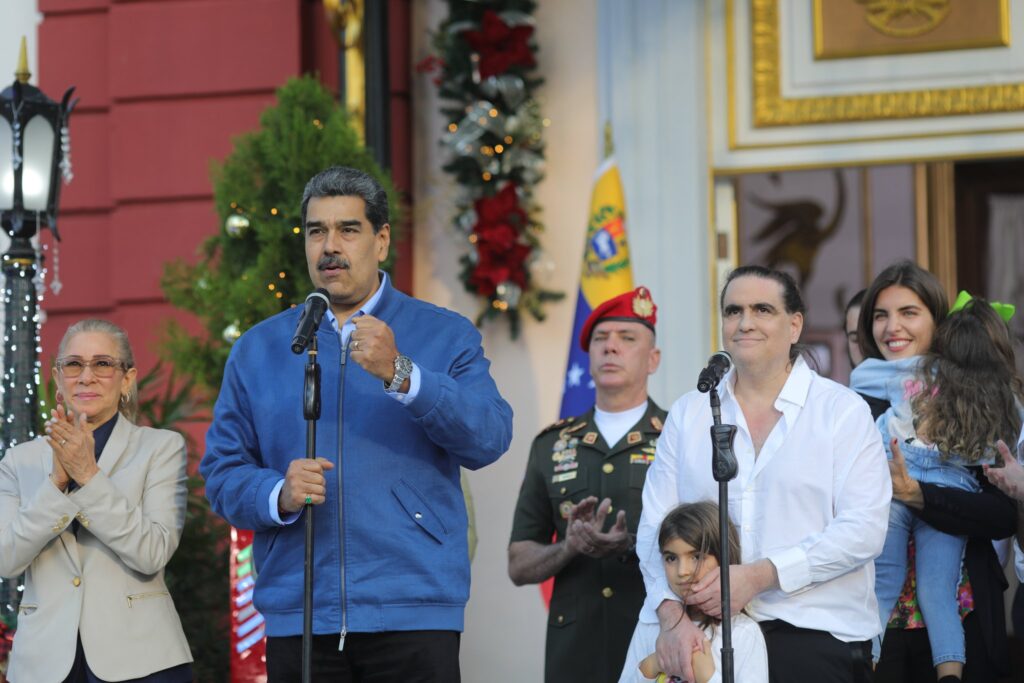
Introduction Alex Saab, a Colombian businessman, has recently emerged as a central figure in the complex geopolitical landscape between the United States and Venezuela. His arrest and subsequent extradition have highlighted significant tensions and raised questions about international diplomatic relations. Understanding Saab’s role is crucial for grasping the intertwined fates of Venezuela’s economy and its
Introduction
Alex Saab, a Colombian businessman, has recently emerged as a central figure in the complex geopolitical landscape between the United States and Venezuela. His arrest and subsequent extradition have highlighted significant tensions and raised questions about international diplomatic relations. Understanding Saab’s role is crucial for grasping the intertwined fates of Venezuela’s economy and its political maneuvers amidst U.S. sanctions.
Background of Alex Saab
Saab, often described as a financier for the Maduro regime, was apprehended in June 2020 in Cape Verde while allegedly attempting to fly to Iran. He was charged by U.S. authorities with money laundering, fraud, and other offenses in connection to the Venezuelan government’s corruption schemes. Saab has been accused of facilitating the evasion of U.S. sanctions by orchestrating deals that benefit the Maduro administration.
The Impact of Saab’s Extradition
Saab was officially extradited to the U.S. on October 16, 2021, where he faces serious charges. His extradition has been seen as a significant blow to the Maduro government, with many analysts suggesting that it would further isolate the regime and deepen its economic woes. Saab’s connections with the Venezuelan elite and access to financial networks make him a key asset in understanding the intricate web of corruption and governance in the country.
International Reactions and Implications
The U.S. government views Saab’s extradition as a crucial step towards accountability for those involved in the Venezuelan government’s human rights violations and corruption. However, the Venezuelan administration has condemned Saab’s extradition, labeling it as an act of aggression by the U.S. This situation has sparked debates within international communities regarding the legality and ethics of the U.S.’s involvement in foreign sovereign affairs.
Conclusion
The ongoing situation surrounding Alex Saab is indicative of the broader crisis in Venezuela, intertwined with U.S. foreign policy interests. As Saab’s legal proceedings unfold, they will be closely monitored, not only for their implications on Venezuela’s political landscape but also for their potential to influence diplomatic relations within the region. The outcome is uncertain, but what remains clear is Saab’s pivotal position in this geopolitical struggle, highlighting the complexities of international law and sovereignty.