Introduction Dana White, the president of the Ultimate Fighting Championship (UFC), has played a pivotal role in the evolution and popularity of mixed martial arts (MMA) around the world. His leadership and visionary approach toward promoting the sport have not only catapulted the UFC into a multi-billion dollar enterprise but have also changed the perception
Introduction
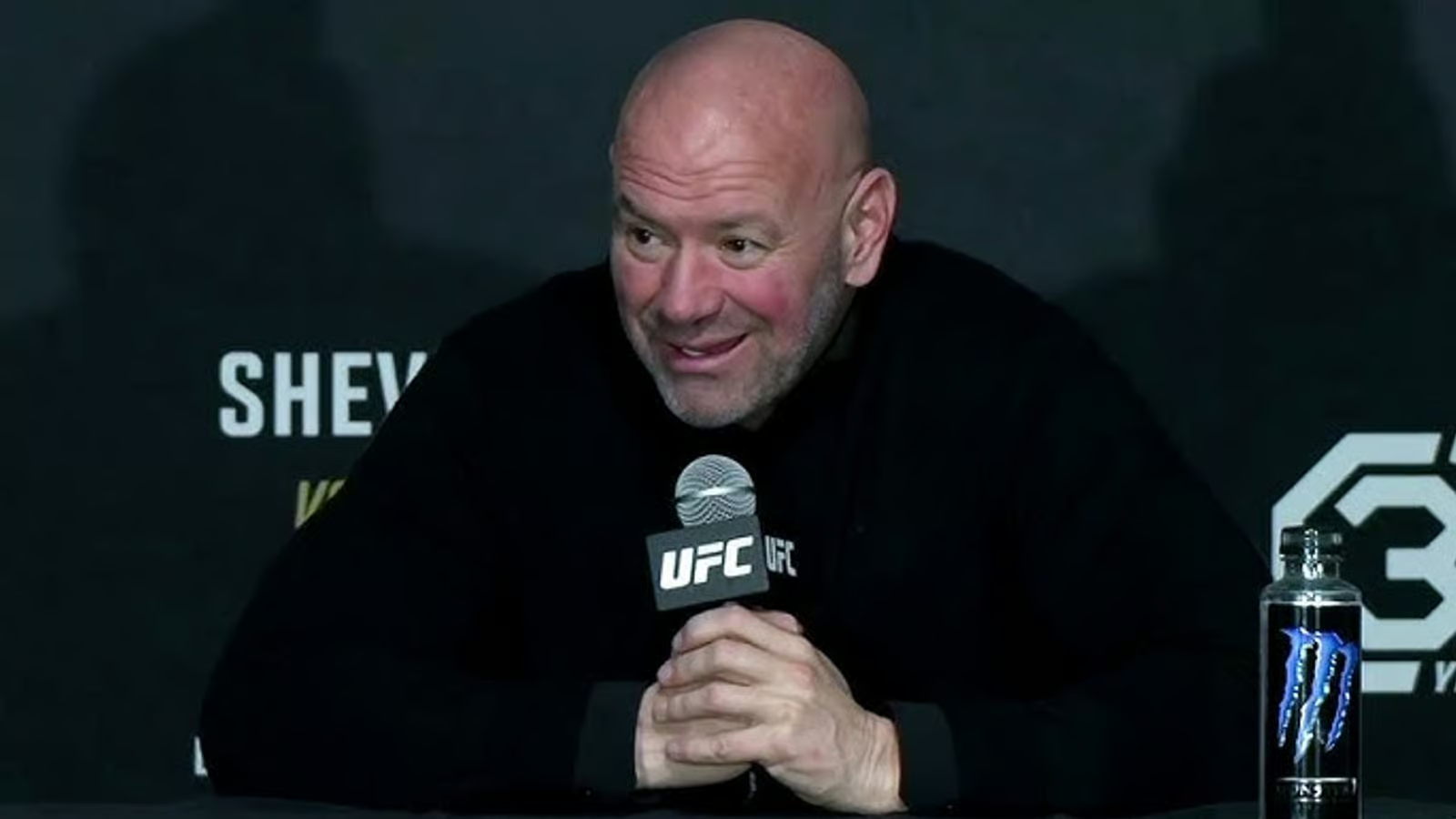
Dana White, the president of the Ultimate Fighting Championship (UFC), has played a pivotal role in the evolution and popularity of mixed martial arts (MMA) around the world. His leadership and visionary approach toward promoting the sport have not only catapulted the UFC into a multi-billion dollar enterprise but have also changed the perception and acceptance of MMA as a legitimate sporting event. Amidst ongoing debates regarding athlete welfare, fighter contracts, and international expansion, White’s influence remains a topic of great significance in the sporting landscape.
Background
White joined the UFC in 2001 when it was struggling financially and lacked a clear direction. His arrival marked the beginning of a transformative era. Under his management, the UFC implemented stricter regulations, developed fighter safety protocols, and cultivated a roster of highly skilled athletes. Events became increasingly organized, with White emphasizing quality production and mainstream appeal.
Key Events and Achievements
One of the most notable achievements during White’s tenure is the deal he struck with Reebok in 2015, which provided fighters with sponsorship opportunities while ensuring uniformity and professionalism in fight gear. Additionally, the landmark sale of the UFC in 2016 for $4 billion to WME-IMG highlighted the organization’s immense growth and market potential.
In recent months, the UFC has continued expanding its global reach, with events held in new markets and partnerships strengthening its brand. An anticipated return of international shows in 2023 is expected to bring MMA to a broader audience, reflecting White’s enduring commitment to growing the sport.
Challenges and Criticisms
Despite his numerous successes, Dana White faces criticism on multiple fronts, including concerns over fighter pay equity, safety protocols, and the mental health of athletes. The pressure for organizations to prioritize fighter welfare while maintaining profitability is an ongoing challenge. Critics argue that the UFC’s fighter compensation model needs reevaluation to better support the athletes who contribute to its success.
Conclusion
The significance of Dana White in the realm of mixed martial arts cannot be overstated. His vision, commitment, and strategic prowess have undoubtedly reshaped MMA and the UFC for the better—and the future of the sport likely hinges on how he addresses ongoing challenges within the industry. As the UFC navigates expansion into new territories and reassesses its athlete care approaches, Dana White’s role will remain critical in determining the trajectory of mixed martial arts as a mainstream sport.