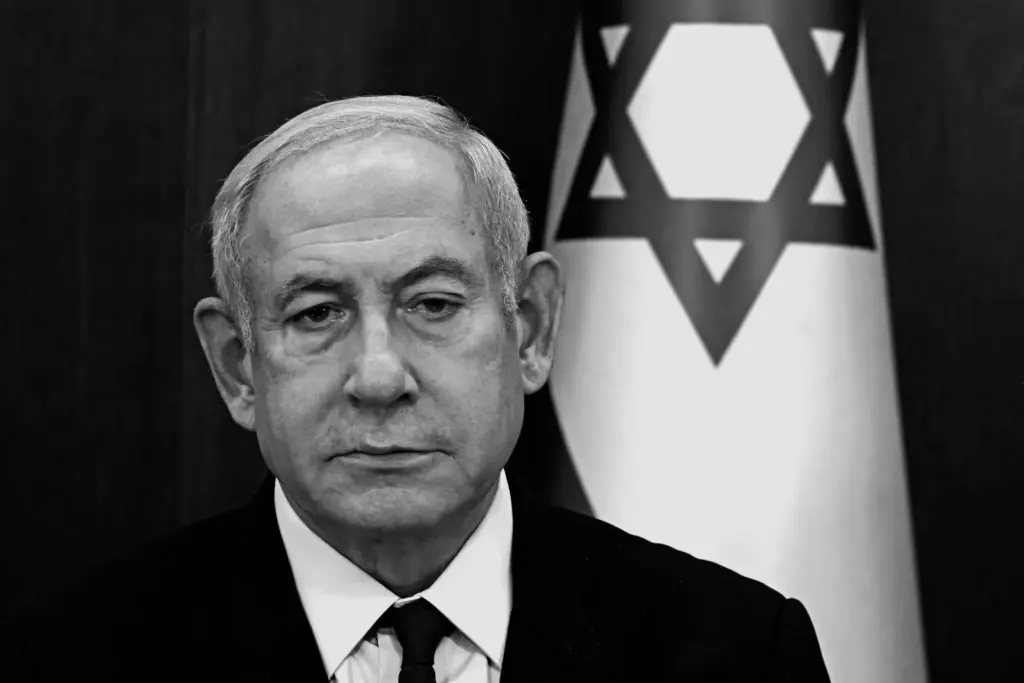
Introduction Benjamin Netanyahu, a prominent figure in Israeli politics, has served multiple terms as Prime Minister of Israel, making him one of the most influential leaders in the nation’s history. His political career is marked by significant domestic and international events, shaping Israel’s policies and its standing in the global arena. As tensions in the
Introduction
Benjamin Netanyahu, a prominent figure in Israeli politics, has served multiple terms as Prime Minister of Israel, making him one of the most influential leaders in the nation’s history. His political career is marked by significant domestic and international events, shaping Israel’s policies and its standing in the global arena. As tensions in the Middle East persist, understanding Netanyahu’s impact and the dynamics of his leadership is more relevant than ever.
Current Political Climate
Netanyahu recently returned to the Prime Minister’s office following a historic election outcome in November 2022, reshaping Israel’s political landscape. His Likud party formed a coalition government with several far-right factions, raising concerns among various segments of the population regarding potential shifts in policy relating to ethnic minorities and the Palestinian issue. The coalition’s agenda emphasizes security, economic reforms, and a robust continuation of settlement expansion, resonating with Netanyahu’s longstanding policies.
Domestic Challenges
Despite his electoral success, Netanyahu faces significant challenges at home. Public protests have erupted against his government’s reforms in the judiciary, seen by many as an attempt to undermine the democratic foundations of Israel. Over the past few months, tens of thousands of Israelis took to the streets, emphasizing their commitment to safeguarding democratic norms.
International Relations
Internationally, Netanyahu continues to balance relations with the United States and other allies while addressing complex relationships with adversaries across the region. His government’s agreement to normalize relations with several Arab nations under the Abraham Accords remains a significant diplomatic achievement, although the approach to the Palestinian issue remains contentious. Recently, Netanyahu has been working to strengthen ties with Arab states while facing criticism over escalating tensions with Palestinian groups.
Conclusion
As Benjamin Netanyahu navigates through an increasingly polarized political environment and ongoing domestic unrest, his leadership style and decisions will undoubtedly play a pivotal role in shaping the future of Israel. Observers are keenly watching how his government will address both internal dissent and external pressure while attempting to achieve its policy objectives. Moving forward, Netanyahu’s influence will likely remain a critical factor in understanding Israel’s political landscape and its relationships on a global scale.