Introduction to Solar Flares Solar flares are some of the most powerful explosions in our solar system, occurring on the Sun’s surface and releasing astonishing amounts of energy. These phenomena play a critical role in space weather and can have significant impacts on Earth’s technology and environment. Understanding solar flares is essential, especially as we
Introduction to Solar Flares
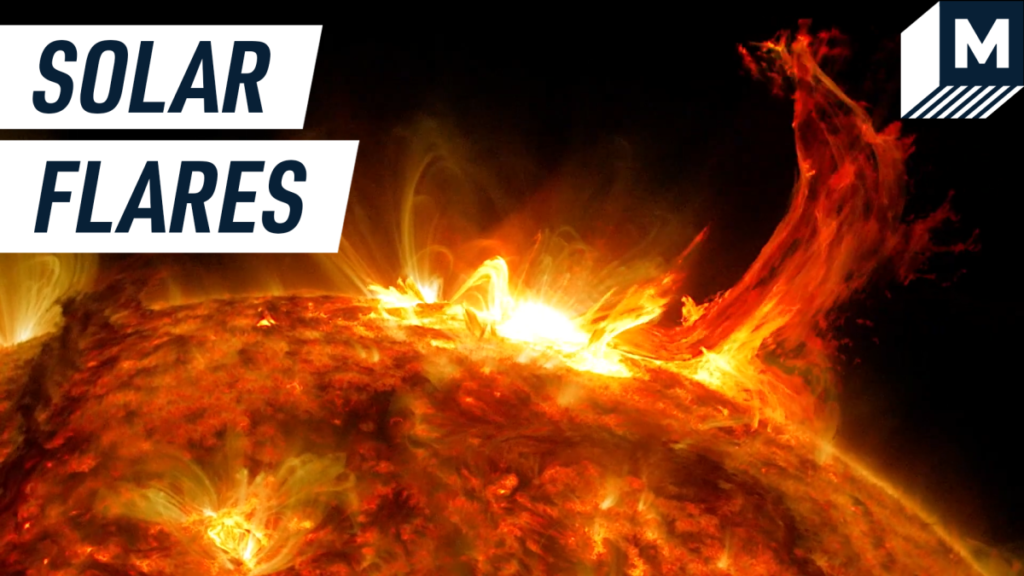
Solar flares are some of the most powerful explosions in our solar system, occurring on the Sun’s surface and releasing astonishing amounts of energy. These phenomena play a critical role in space weather and can have significant impacts on Earth’s technology and environment. Understanding solar flares is essential, especially as we become increasingly reliant on technology impacted by solar activity.
What are Solar Flares?
A solar flare is defined as a sudden and intense burst of radiation arising from the release of magnetic energy stored in the Sun’s atmosphere. They can last from mere minutes to hours and are classified into different categories based on their intensity, with X-class flares being the most potent.
Recent Activity of Solar Flares
Recently, NASA’s Solar Dynamics Observatory has observed an increase in solar flare activity during the ongoing solar cycle 25, which is expected to peak around 2025. In September 2023, a series of powerful X-class flares were recorded, sparking both interest and concern. One notable flare on September 10, 2023, resulted in heightened auroras and intermittent disruptions in radio communications across polar regions.
Impacts of Solar Flares on Technology
Solar flares can have far-reaching implications for satellite operations, GPS systems, and power grids. The charged particles released during a solar flare can disrupt radio signals and cause fluctuations in electrical currents, leading to potential damage to satellites and power outages. Recent studies indicate that such disruptions could become more common as the frequency of solar flares increases throughout this solar cycle.
Forecasts and Future Considerations
Experts predict that as we approach the solar maximum of cycle 25, solar flares will likely become more frequent and intense. This necessitates an increased focus on preparing for space weather phenomena. Organizations like NASA and the National Oceanic and Atmospheric Administration (NOAA) are actively monitoring solar activity to provide timely warnings of potential impacts on Earth.
Conclusion
In conclusion, understanding sun solar flares is crucial as their activity can influence not only our technology but also daily life on Earth. As solar activity is expected to rise, staying informed and prepared is essential. The ongoing research and monitoring efforts by space agencies will play a pivotal role in mitigating the risks associated with solar flares, ensuring the continued safety and reliability of our technological infrastructure.