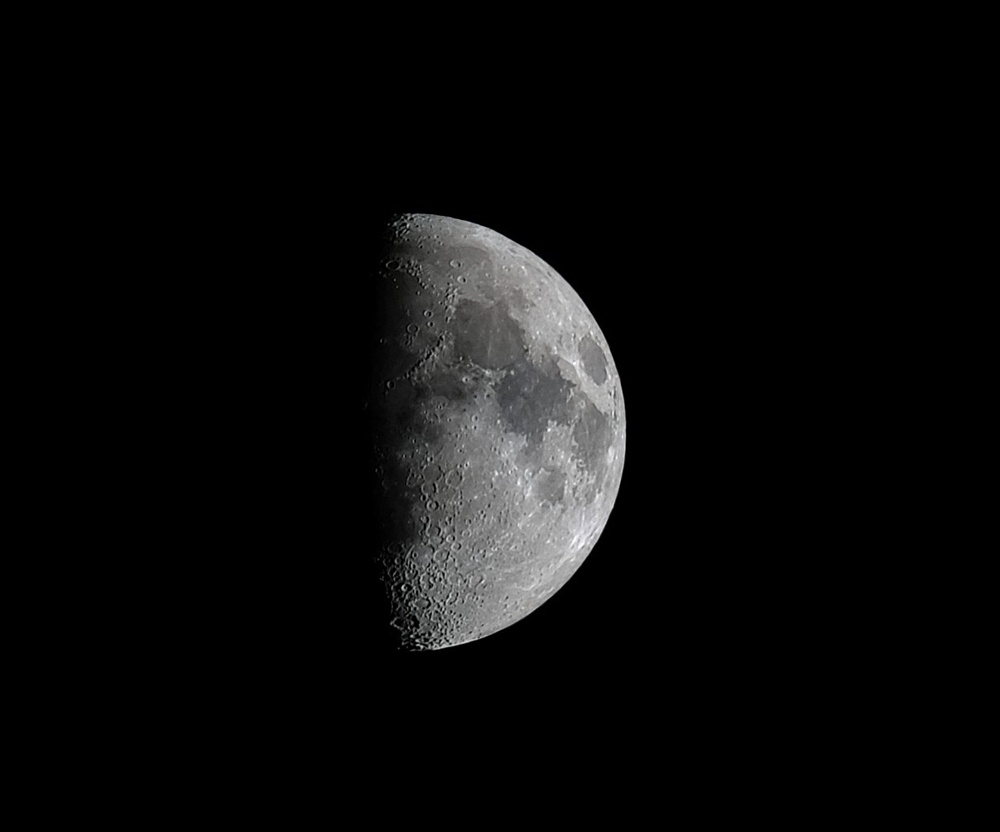
Introduction The Moon, Earth’s only natural satellite, has captivated humanity for millennia. Its presence affects our planet in numerous ways, including influencing tides, stabilizing the Earth’s axial tilt, and providing a cultural backdrop for myths and traditions across various civilizations. As we advance in space exploration, understanding the Moon’s significance is more crucial than ever.
Introduction
The Moon, Earth’s only natural satellite, has captivated humanity for millennia. Its presence affects our planet in numerous ways, including influencing tides, stabilizing the Earth’s axial tilt, and providing a cultural backdrop for myths and traditions across various civilizations. As we advance in space exploration, understanding the Moon’s significance is more crucial than ever.
Recent Developments in Lunar Exploration
In recent years, the moon has regained interest as a critical point for space exploration. NASA’s Artemis program aims to return humans to the lunar surface by 2025, with plans to establish a sustainable human presence by the end of the decade. Alongside NASA, private companies like SpaceX and Blue Origin are also on the verge of launching missions targeting the Moon.
Moreover, Chinese and Indian space agencies have made notable strides. China’s Chang’e program has successfully landed rovers on the Moon, while India’s Chandrayaan missions have focused on lunar mapping and mineralogic studies. These missions not only enhance our understanding of the Moon but also prepare for future missions to Mars and beyond.
The Moon’s Influence on Earth
The Moon plays a pivotal role in various natural phenomena. Its gravitational pull is responsible for the ocean’s tides, which in turn influence marine ecosystems and even weather patterns. In addition, the Moon helps stabilize Earth’s axial tilt, which is essential for maintaining a stable climate.
Cultural Significance
Beyond its scientific importance, the Moon holds immense cultural significance. It has been a source of inspiration for art, literature, and religion. Many cultures celebrate lunar phases with festivals and rituals, illustrating the Moon’s integral role in human society.
Conclusion
As we look ahead, the Moon remains a window into our past and a beacon for our future in space exploration. With new missions and advancements, understanding the Moon’s impact on Earth, culture, and our journey beyond will be paramount. The next decade promises to deepen our connection with this celestial body as we explore its mysteries and potential for human life.