Introduction Mike Tyson, known as one of the most formidable boxers in history, has left an indelible mark on the world of sports and popular culture. His journey from a troubled childhood to becoming the youngest heavyweight champion in boxing history exemplifies both the highs and lows of life in the spotlight. As he continues
Introduction
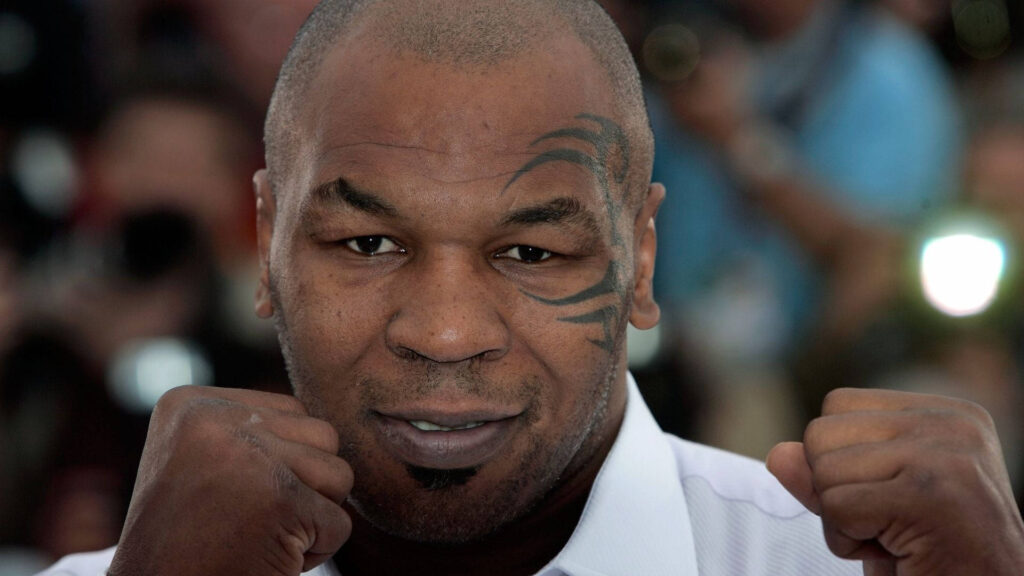
Mike Tyson, known as one of the most formidable boxers in history, has left an indelible mark on the world of sports and popular culture. His journey from a troubled childhood to becoming the youngest heavyweight champion in boxing history exemplifies both the highs and lows of life in the spotlight. As he continues to influence and inspire through various ventures, understanding his legacy is crucial for fans of boxing and sports enthusiasts alike.
The Rise of a Champion
Born on June 30, 1966, in Brooklyn, New York, Tyson’s early life was marked by adversity. He was raised in a rough neighborhood and encountered significant challenges, including poverty and crime. However, Tyson found solace in boxing, training at a young age under the guidance of legendary trainer Cus D’Amato. This relationship proved pivotal, as D’Amato not only developed Tyson’s fighting style but also became a father figure in his life.
Tyson’s professional career took off in the late 1980s, where he showcased his explosive power and unique style in the ring. In 1986, at just 20 years old, he became the youngest heavyweight champion in history after knocking out Trevor Berbick—a record that still stands today. Tyson’s ferocious demeanor and ability to dominate opponents quickly earned him a reputation as one of the sport’s greatest fighters.
The Downward Spiral and Redemption
Despite his success, Tyson’s life was marred by controversies and personal struggles. In 1992, he was convicted of rape and sentenced to six years in prison. Following his release, he attempted to regain his former glory, but his boxing career was characterized by ups and downs, including erratic behavior and several high-profile incidents, such as the infamous ear-biting incident during the fight against Evander Holyfield in 1997.
In recent years, Tyson has pursued various avenues outside of boxing, including acting, podcasting, and promoting cannabis products. He has also embraced a more positive lifestyle, focusing on health and wellness, and has openly discussed his past struggles.
Conclusion
The legacy of Mike Tyson is complex, embodying the essence of both triumph and tragedy. As he continues to evolve—moving from the boxing ring to becoming a cultural icon—Tyson’s story serves as a powerful reminder of the human capacity for transformation. His impact on boxing and popular culture is undeniable, securing his place as a multi-faceted figure in history. For fans and observers alike, Tyson remains an enduring symbol of the sport’s thrilling and tumultuous nature, reminding us all that even legends can rise, fall, and rise again.