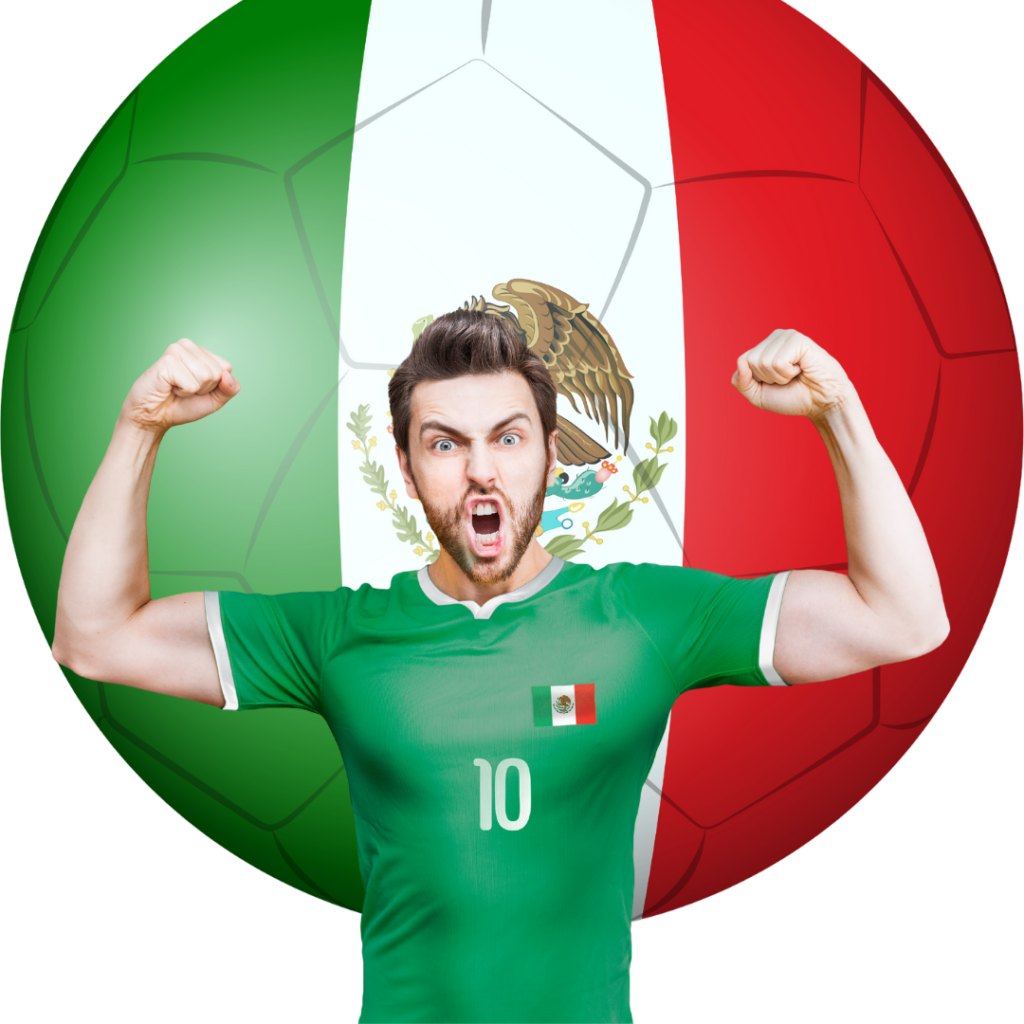
Introduction Soccer, or as it is known in Mexico, fútbol, is more than just a sport; it is a national passion that unites millions of fans across the country. With a rich history and deep cultural roots, Mexico soccer has become an integral part of Mexican identity, influencing social dynamics, cultural expressions, and national pride.
Introduction
Soccer, or as it is known in Mexico, fútbol, is more than just a sport; it is a national passion that unites millions of fans across the country. With a rich history and deep cultural roots, Mexico soccer has become an integral part of Mexican identity, influencing social dynamics, cultural expressions, and national pride. The recent surge in popularity of local leagues and the Mexican national team highlights the importance of this sport as a vehicle for cohesion, representation, and ambition.
Current Trends and Statistics
According to the Mexican Football Federation, soccer is the most-watched sport in Mexico, with over 60% of the population identifying as fans of the game. The nation’s top league, Liga MX, consists of 18 teams and boasts one of the highest attendance rates in the world, averaging around 25,000 spectators per match. Teams such as Club América and Chivas Guadalajara enjoy immense followings and have become pivotal to local culture. The rivalry between these two teams, known as the ‘Clásico,’ draws millions of viewers, showcasing the sport’s emotional grip on the nation.
International Impact and World Cup Aspirations
Mexico has a long-standing history of participating in FIFA World Cups, making it a regular contender. The national team, known as ‘El Tricolor,’ has qualified for the World Cup 16 times and has reached the Round of 16 in several tournaments, a record they are eager to improve upon in future competitions. The upcoming World Cup in 2026 will be particularly significant as it takes place across three nations: the United States, Canada, and Mexico. This presents an opportunity for Mexico to showcase its soccer culture on a global scale.
Cultural Significance
Beyond the field, soccer in Mexico influences many aspects of daily life, from music and art to family gatherings. Celebrations during major games turn parks and public squares into vibrant festivals filled with food, music, and communal viewing experiences. Moreover, soccer serves as a platform for social issues, as players and clubs participate in campaigns against violence, corruption, and discrimination.
Conclusion
As Mexico continues to embrace and celebrate its soccer heritage, the sport remains a crucial part of its national identity. The successes and challenges faced by Mexican teams, both domestically and internationally, reflect the hopes and dreams of its people. For fans and aspiring athletes alike, the future of Mexico soccer is bright, promising further development and success on and off the pitch. As the nation prepares for the World Cup in 2026, the excitement and anticipation are palpable, signaling a new chapter in the storied history of Mexico fútbol.