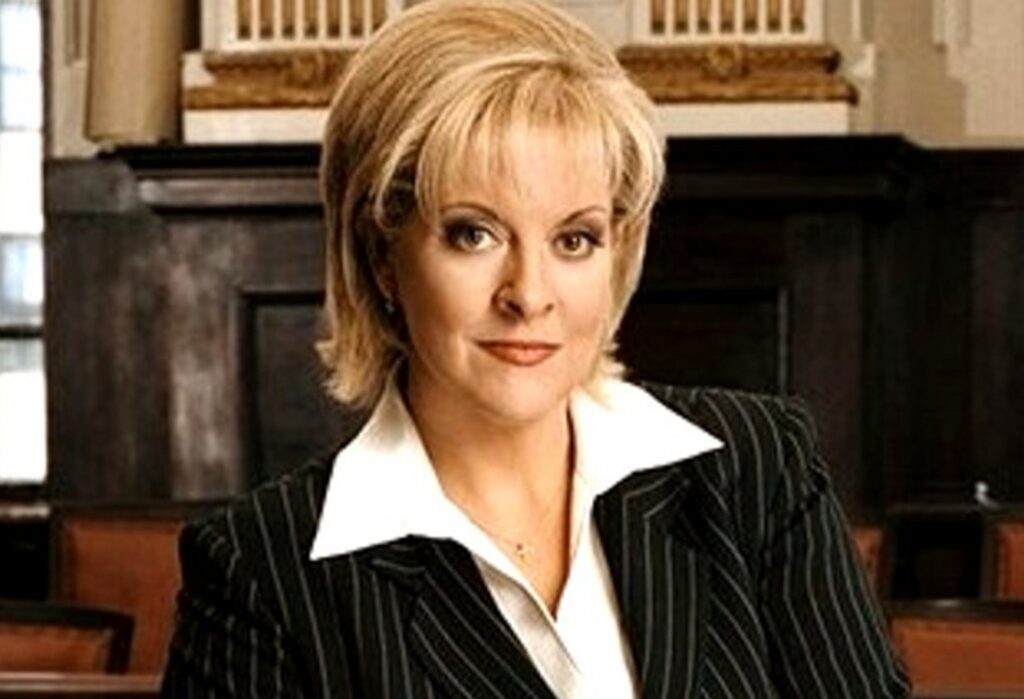
Introduction Nancy Grace is a prominent figure in the landscape of crime reporting and legal analysis, known for her engaging style and no-nonsense approach. As a former prosecutor and a television host, Grace has played a significant role in shaping public discourse around high-profile criminal cases. Her career reflects the evolving relationship between media and
Introduction
Nancy Grace is a prominent figure in the landscape of crime reporting and legal analysis, known for her engaging style and no-nonsense approach. As a former prosecutor and a television host, Grace has played a significant role in shaping public discourse around high-profile criminal cases. Her career reflects the evolving relationship between media and justice, making her a relevant figure in discussions surrounding legal processes and crime coverage.
Career Milestones
Nancy Grace began her career in the legal field as a prosecutor in Atlanta, Georgia, where she specialized in cases involving violent crimes. Her passion for justice and advocacy for victims soon transitioned into a media career, where she gained national attention. Grace hosted “Court TV’s” “Nancy Grace” and later went on to anchor her own show on HLN, where she covered the most sensational and controversial cases.
Her style is characterized by a unique combination of legal insight and emotional appeal, often advocating for victims and their families. Grace has become synonymous with sensational crime stories, including the cases of missing persons like Natalee Holloway and Caylee Anthony, where her intense coverage and emotional appeal brought international attention.
Recent Developments and Influence
In recent years, Nancy Grace has continued to influence crime reporting through various platforms, including her podcast and social media presence. She remains a strong advocate for victims’ rights and has voiced opinions on recent high-profile cases such as the trial of Derek Chauvin and the Gabby Petito case, engaging the public with her insights into criminal justice issues.
Additionally, as crime stories increasingly dominate news cycles, Grace’s commentary resonates with audiences, leading to discussions on how media influences public perception of legal matters. Her outspoken nature may also raise important questions about media ethics and the power of sensationalism in reporting.
Conclusion
Nancy Grace’s impact on the intersection of law and media is both significant and multifaceted. Her career highlights the importance of media figures in shaping public understanding of the legal system and crime. As new laws emerge and high-profile cases continue to enter the public eye, the role of figures like Grace will remain critical in guiding public discourse and advocating for justice. For audiences, her presence serves as a reminder of the complexities surrounding crime coverage and the ethical responsibilities that come with it.