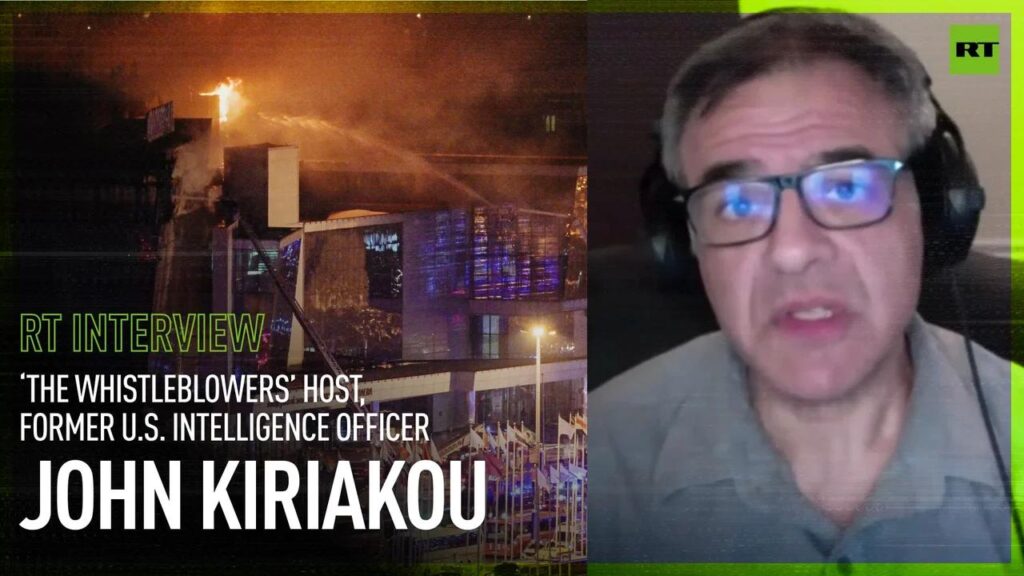
Who is John Kiriakou? John Kiriakou, a former CIA officer, gained national attention after publicly exposing the U.S. government’s use of torture following the events of September 11, 2001. His revelations shed light on the agency’s controversial interrogation methods, including waterboarding, which he labeled as torture. Significant Events Kiriakou’s journey began in 2007 when he
Who is John Kiriakou?
John Kiriakou, a former CIA officer, gained national attention after publicly exposing the U.S. government’s use of torture following the events of September 11, 2001. His revelations shed light on the agency’s controversial interrogation methods, including waterboarding, which he labeled as torture.
Significant Events
Kiriakou’s journey began in 2007 when he appeared on national television, discussing his experiences at the CIA and detailing the agency’s torture techniques used against suspected terrorists. His candid remarks led to his indictment in 2012 under the Espionage Act. Kiriakou subsequently pled guilty to one charge of leaking classified information and was sentenced to 30 months in prison.
Advocacy and Current Endeavors
Since his release in 2015, Kiriakou has transformed his platform into one that advocates for human rights and government transparency. He emphasizes the need for an accountable intelligence community, discussing his experiences and calling for reforms to ensure such treatment is never repeated. Kiriakou frequently speaks at events and engages in media discussions to raise awareness about the implications of torture and to support fellow whistleblowers.
Conclusion
John Kiriakou’s contributions to discourse surrounding human rights and accountability have established him as a prominent figure in the whistleblower community. His experiences highlight the significant risks that come with exposing governmental wrongdoing. As debates regarding national security and human rights continue, Kiriakou’s story serves as a reminder of the importance of transparency and moral integrity within government operations. The impact of his actions extends beyond his personal narrative, influencing how whistleblowers are viewed and treated in contemporary society.