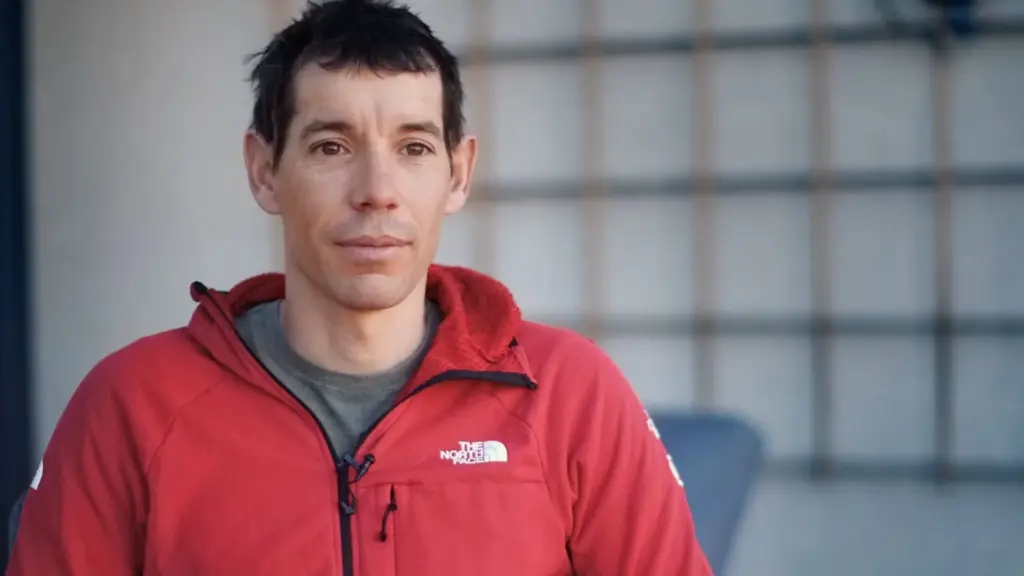
Introduction Alex Honnold, known as one of the most accomplished free solo climbers in the world, has gained international fame for his stunning ascents of some of the world’s most challenging cliffs. His daring feats sparked widespread interest in rock climbing and raised discussions around safety, mental health, and the thrill of extreme sports. A
Introduction
Alex Honnold, known as one of the most accomplished free solo climbers in the world, has gained international fame for his stunning ascents of some of the world’s most challenging cliffs. His daring feats sparked widespread interest in rock climbing and raised discussions around safety, mental health, and the thrill of extreme sports.
A Breakthrough Climb
In June 2017, Honnold achieved a remarkable milestone by becoming the first person to free solo the iconic El Capitan in Yosemite National Park. The 900-metre vertical rock face was completed without ropes or safety gear, an act that sent shockwaves through the climbing community and beyond. This accomplishment was documented in the acclaimed film Free Solo, which won the Academy Award for Best Documentary Feature in 2019.
Recent Pursuits and Sustainability Efforts
Since his legendary ascent, Honnold has continued to push the boundaries of climbing, embarking on new challenges and exploring various climbing locations around the globe. He recently participated in a significant project alongside other climbers to summit the famed Antarctic Icebergs, showcasing not just skill but also promoting environmental awareness for the rapidly changing climate.
In addition to his climbing pursuits, Honnold is an outspoken advocate for sustainability. He founded the Honnold Foundation, which aims to promote solar energy access in underserved communities. By utilizing his platform, Honnold is striving to make a positive impact beyond the climbing world.
Impact on the Climbing Community
Honnold’s exploits have not only inspired thousands to take up climbing but have also ignited debates regarding climbing ethics and safety. His ability to perform risky climbs with precision raises questions about the physical and psychological traits that define elite climbers. Beyond climbing, he is a relatable figure advocating for mental health and the importance of facing one’s fears.
Conclusion
As Alex Honnold continues to challenge himself with new climbs and promote sustainability, his influence on the sports community remains significant. The combination of his extraordinary talent, commitment to environmental causes, and openness about mental health issues creates a legacy that resonates with many. For both seasoned climbers and enthusiasts, Honnold embodies the spirit of adventure and the importance of stewardship for our planet.