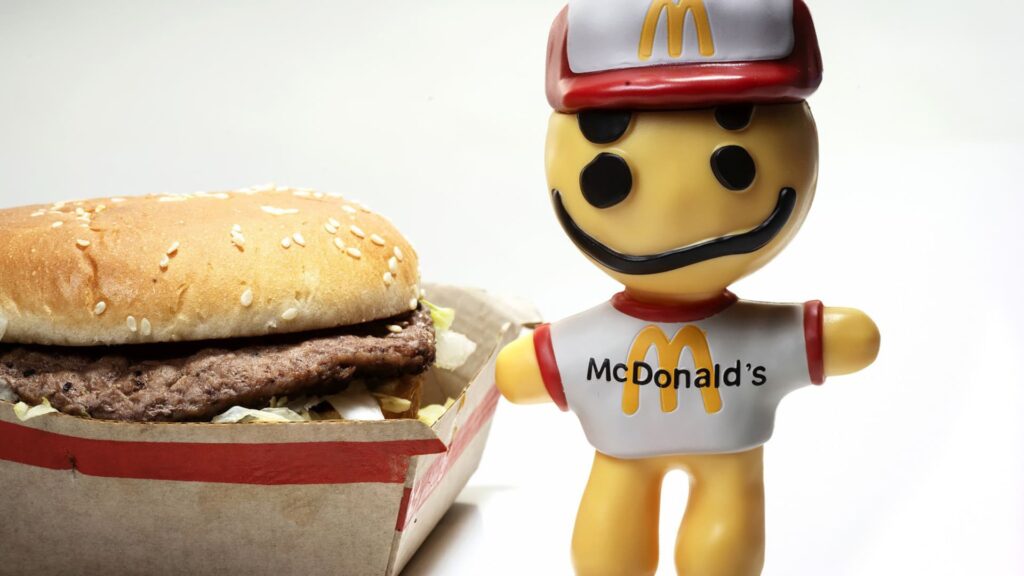
Introduction Happy Meal toys have become an iconic part of childhood experiences for many generations. Since their introduction in 1979, these toys have not only served as a tangible reward for children enjoying their meals but have also become a significant element of pop culture and marketing. As fast-food chains evolve and consumer preferences shift,
Introduction
Happy Meal toys have become an iconic part of childhood experiences for many generations. Since their introduction in 1979, these toys have not only served as a tangible reward for children enjoying their meals but have also become a significant element of pop culture and marketing. As fast-food chains evolve and consumer preferences shift, the relevance and appeal of Happy Meal toys continue to be a hot topic.
The Journey of Happy Meal Toys
The Happy Meal concept was launched by McDonald’s to attract families, and the idea of including toys quickly grew in popularity. These toys often tie into popular films, shows, or trends, delivering both excitement and brand loyalty. According to McDonald’s, more than 600 million toys have been distributed worldwide since the introduction, showcasing their popularity among children and collectors alike.
Past to Present
In the early years, toys included simple, plastic figurines or basic puzzles. However, the 1990s marked a transition to more interactive and themed toys, often based on major movie releases. For example, toys related to Disney films have been particularly successful, leveraging the popularity of beloved characters. Recently, the emergence of collectible toys has prompted McDonald’s to create limited-edition series, generating buzz among both children and adult collectors.
Environmental Considerations
As environmental awareness rises, the focus has shifted towards sustainable practices and responsible sourcing. McDonald’s has pledged to transition to sustainable packaging and reduce plastic waste, bringing new challenges and innovations to the Happy Meal toy offerings. The introduction of toys made from recycled materials is part of a broader strategy that appeals to eco-conscious consumers.
Conclusion
Happy Meal toys remain a nostalgic element for many, symbolizing childhood joy and simple pleasures. As the landscape of fast food continues to evolve through technology, environmental accountability, and consumer trends, it will be interesting to see how these toys adapt. With the focus on sustainability and engagement through innovative designs, the future of Happy Meal toys is poised for transformation while maintaining their place in the hearts of millions.