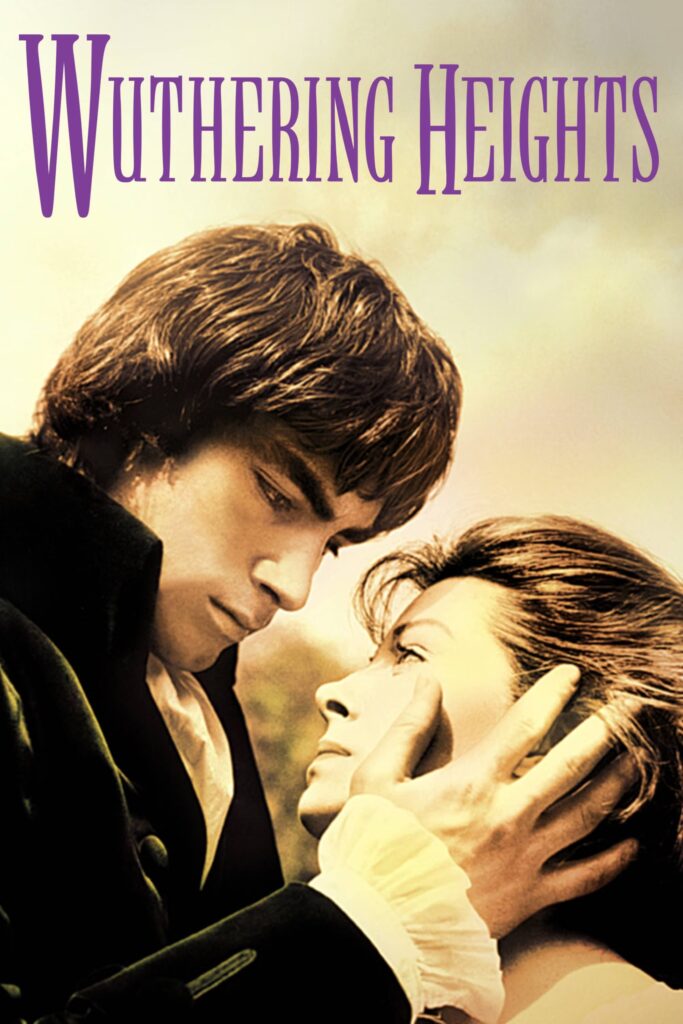
Introduction Wuthering Heights, the only novel by Emily Brontë, has captured the hearts and minds of readers since its publication in 1847. Its complex characters and intense themes of love and revenge have inspired numerous adaptations for film and television. This article explores the significance of the Wuthering Heights movie adaptations, highlighting their interpretations and
Introduction
Wuthering Heights, the only novel by Emily Brontë, has captured the hearts and minds of readers since its publication in 1847. Its complex characters and intense themes of love and revenge have inspired numerous adaptations for film and television. This article explores the significance of the Wuthering Heights movie adaptations, highlighting their interpretations and the impact they have on both the literary and cinematic landscapes.
Historical Context and Adaptations
Since the first film adaptation in 1920, Wuthering Heights has been reimagined on screen multiple times, with adaptations ranging from classic to modern interpretations. Notably, the 1939 film starring Laurence Olivier and Merle Oberon became a definitive version for many, showcasing the passionate romance between Heathcliff and Catherine Earnshaw set against the haunting backdrop of the Yorkshire moors.
Later adaptations, such as the 1970 version starring Timothy Dalton and the 1992 film featuring Ralph Fiennes and Juliet Binoche, explored the text through varied lenses, offering fresh perspectives on Brontë’s themes. In 2011, Andrea Arnold directed a gritty and raw adaptation that stripped down the romanticism to focus on the harsh realities of the characters’ lives. Each version has not only paid homage to the original text but interpreted it in ways that resonate with contemporary audiences.
Why Wuthering Heights Remains Relevant
The themes of social class disparity, unbridled passion, and the supernatural elements present in Wuthering Heights contribute to its continuing relevance today. Each movie adaptation serves to transport these timeless themes into new contexts, allowing modern viewers to engage with Brontë’s work from different cultural and societal perspectives.
The tension between love and hate, as embodied by Heathcliff’s tumultuous relationship with Catherine, continues to offer fertile ground for both filmmakers and audiences. Additionally, the haunting landscape of the moors has been a captivating visual element, symbolizing the emotional turbulence within the narrative.
Conclusion
The adaptations of Wuthering Heights have helped to establish the characters and themes of the novel within popular culture, ensuring that Brontë’s work remains a subject of discussion and analysis. Film adaptations bridge the gap between literature and cinema, inviting a new generation to experience the story of Heathcliff and Catherine. As filmmakers continue to revisit this classic tale, it is likely that Wuthering Heights will endure as a staple in both literary and cinematic realms, reflecting the complexity of human emotion through the ages.