Introduction Released in 1971, Harold and Maude is an American romantic black comedy that has since become a defining cult classic of cinema. Directed by Hal Ashby and featuring an unforgettable soundtrack by Cat Stevens, the film is celebrated for its unconventional narrative and thought-provoking themes of love, life, and death. Its relevance continues to
Introduction
Released in 1971, Harold and Maude is an American romantic black comedy that has since become a defining cult classic of cinema. Directed by Hal Ashby and featuring an unforgettable soundtrack by Cat Stevens, the film is celebrated for its unconventional narrative and thought-provoking themes of love, life, and death. Its relevance continues to resonate with audiences today, making it an essential part of film history.
The Plot Overview
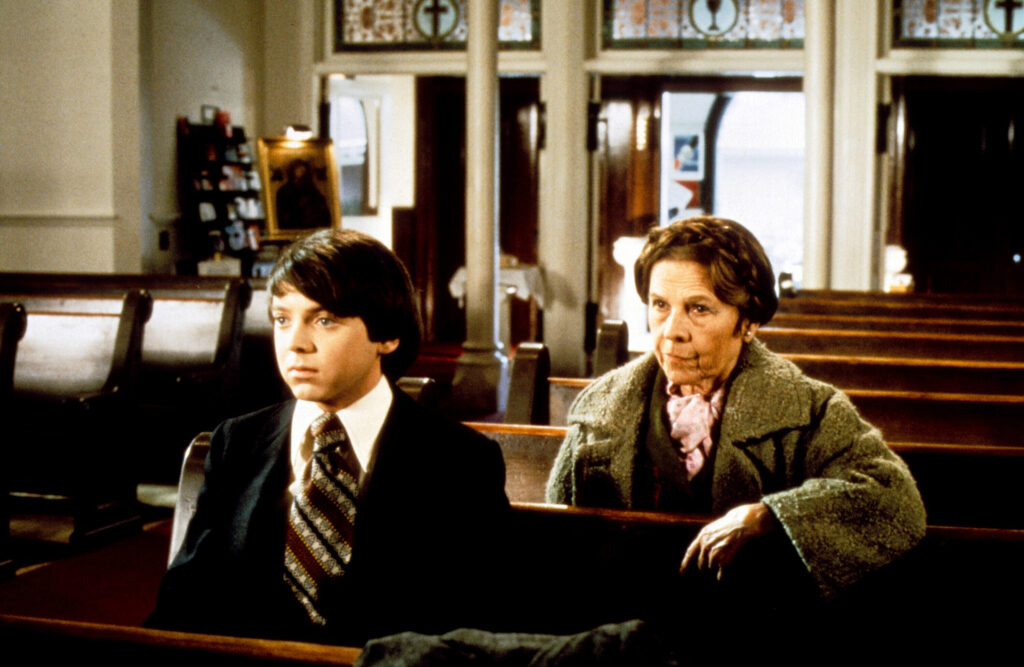
The film follows the eccentric relationship between Harold, a young man obsessed with death, and Maude, a free-spirited elderly woman who embraces life with open arms. Harold, played by Bud Cort, engages in elaborate mock suicides to express his discontent and disconnect from societal norms. In contrast, Maude, portrayed by Ruth Gordon, teaches him the beauty of living fully and appreciating every moment. Their bond challenges societal perceptions as it brings together youth, aging, and existential questions.
Cultural Impact and Interpretations
Initially, Harold and Maude received mixed reviews; however, it gradually gained popularity, especially among college students in the 1970s. Its themes challenged traditional views on relationships, mortality, and what it means to truly live. The film also sparked conversations around generational conflicts, the search for meaning, and the acceptance of life’s impermanence.
Moreover, the film’s iconic moments, such as Maude’s zest for life, significantly influence artistic expressions and have been referenced in various pop culture contexts. Its use of Cat Stevens’ music serves not only to enhance emotional depth but also embodies the counterculture movement of the time.
Conclusion
Today, Harold and Maude is viewed as a classic that remains relevant for its exploration of life’s complexities. As new generations of viewers discover this film, its messages about love, acceptance, and finding joy in fleeting moments continue to resonate. The movie encourages us to confront our own understandings of mortality and to find connections that uplift rather than constrain us.
In an era where cinematic narratives are constantly evolving, Harold and Maude stands as a timeless example of how storytelling can challenge norms and evoke profound reflection on the human experience.