Introduction Bill Clinton, the 42nd President of the United States, served from 1993 to 2001 and is a pivotal figure in American political history. His presidency is often characterized by economic prosperity, influential policies, and enduring controversies. Understanding Clinton’s impact is crucial for anyone interested in the political landscape of the 1990s and how it
Introduction
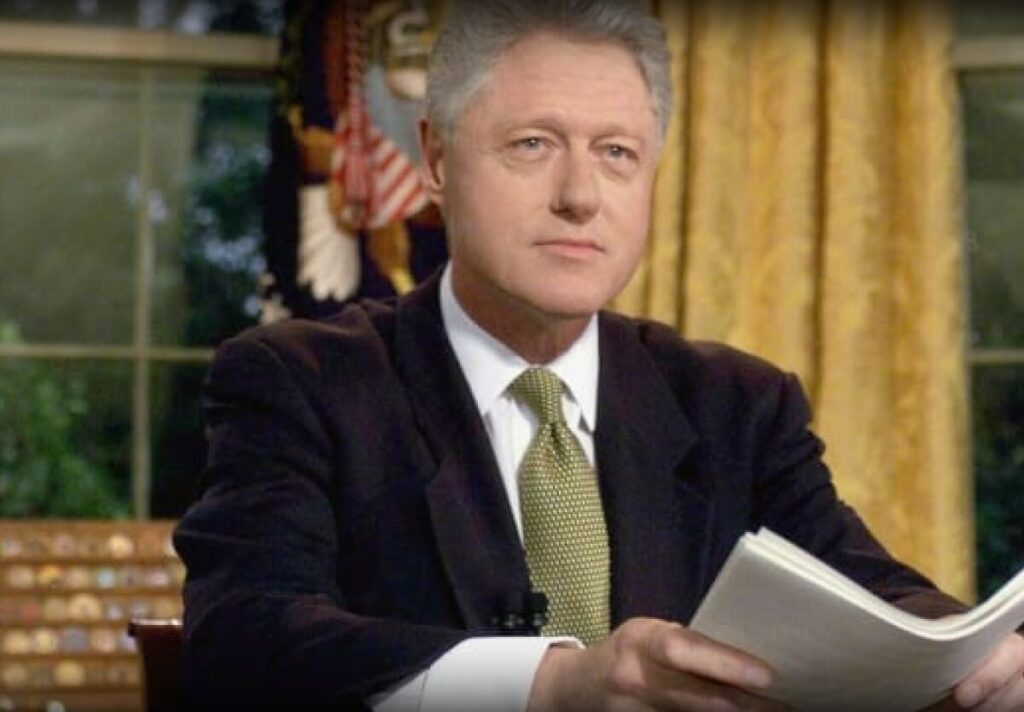
Bill Clinton, the 42nd President of the United States, served from 1993 to 2001 and is a pivotal figure in American political history. His presidency is often characterized by economic prosperity, influential policies, and enduring controversies. Understanding Clinton’s impact is crucial for anyone interested in the political landscape of the 1990s and how it shaped current events.
Economic Policies and Reforms
One of the hallmarks of Bill Clinton’s presidency was a remarkable economic turnaround. Upon entering office, the country faced significant deficits and economic uncertainty. Through a combination of fiscal policies and bipartisanship with Congress, Clinton implemented welfare reform and tax increases for the wealthy, while also advocating for a balanced budget. By the end of his second term, the U.S. had transformed from a budget deficit to a surplus, leading to the longest peacetime economic expansion in American history.
Health Care and Education Initiatives
Clinton’s administration made significant efforts in healthcare and education. Although his ambitious health reform plan ultimately failed, he successfully enacted the Children’s Health Insurance Program (CHIP) in 1997, which extended health coverage to millions of children in families with incomes too high to qualify for Medicaid but too low to afford private coverage. Furthermore, he promoted education initiatives like the Hope Scholarship, which helped students pay for college.
International Relations and Challenges
On the international front, Clinton’s presidency was marked by both achievements and challenges. He played a pivotal role in the Oslo Accords, a peace agreement between Israel and the Palestinian Liberation Organization (PLO), and his administration oversaw the NATO intervention in the Balkans. However, his presidency also faced significant challenges, including the Rwandan genocide, which raised questions about U.S. foreign policy and humanitarian intervention.
Controversies and Impeachment
Clinton’s presidency was shadowed by personal scandals, most notably his affair with White House intern Monica Lewinsky. This led to an impeachment trial in 1998, where he was charged with perjury and obstruction of justice. He was acquitted by the Senate and completed his second term, leaving a complex legacy both politically and personally.
Conclusion
Bill Clinton’s presidency was a mixture of significant achievements and controversies that continue to resonate today. His efforts in economic reform and healthcare laid the groundwork for later policies, while his personal scandals serve as a lesson in the complexities of political leadership. As we move further into the 21st century, his legacy is likely to remain an essential part of American political discourse, informing both future leaders and citizens alike.