Introduction The 4th Amendment of the United States Constitution is a crucial part of the Bill of Rights, designed to protect citizens from unreasonable searches and seizures. In an era where digital privacy is increasingly at risk, understanding the 4th Amendment’s implications is more important than ever. Recent events have brought this amendment back into
Introduction
The 4th Amendment of the United States Constitution is a crucial part of the Bill of Rights, designed to protect citizens from unreasonable searches and seizures. In an era where digital privacy is increasingly at risk, understanding the 4th Amendment’s implications is more important than ever. Recent events have brought this amendment back into the spotlight, raising critical questions about the balance between security and individual privacy.
The Importance of the 4th Amendment
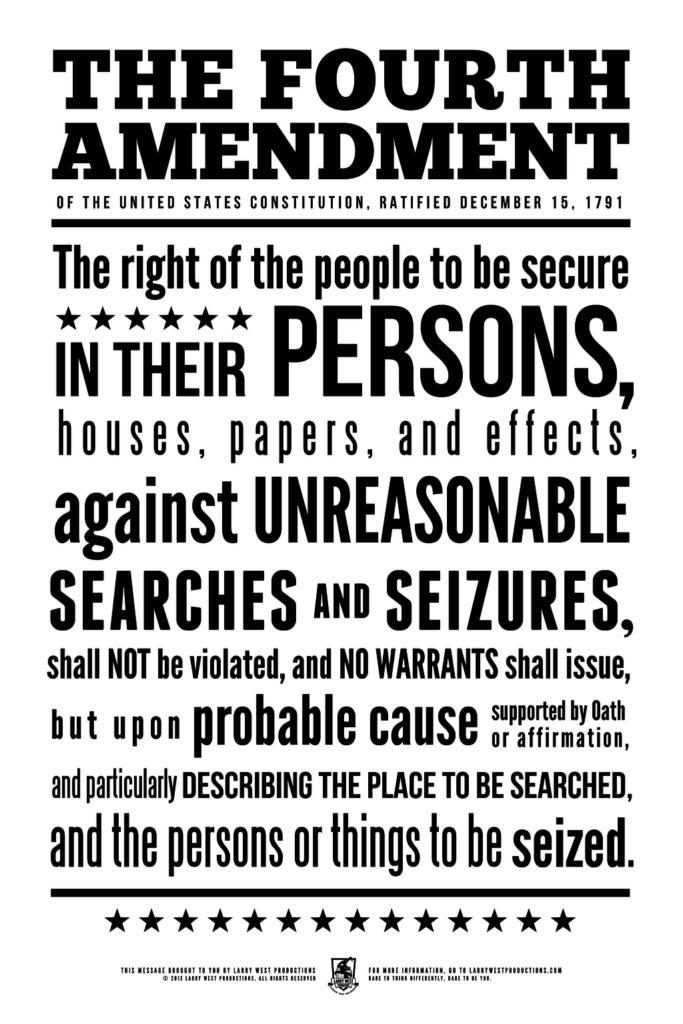
Ratified in 1791, the 4th Amendment states: “The right of the people to be secure in their persons, houses, papers, and effects, against unreasonable searches and seizures, shall not be violated.” This has become a cornerstone of American civil liberties, providing a fundamental legal framework for protecting individuals against arbitrary governmental actions.
Recent Developments
In recent years, high-profile legal cases have sparked nationwide discussions concerning the application of the 4th Amendment in relation to modern technology. For example, courts have debated whether law enforcement can search an individual’s cell phone without a warrant, underscoring the necessity of upholding privacy rights even in the face of evolving technology.
One prominent case, Carpenter v. United States (2018), ruled that accessing historical cell phone location data constitutes a search under the 4th Amendment, thus requiring a warrant. This ruling has significant implications for how law enforcement and technology companies handle personal data, potentially setting a precedent for future cases.
Challenges Facing the 4th Amendment
Despite its robust safeguarding power, the 4th Amendment continues to face challenges. Law enforcement agencies argue that expanding surveillance capabilities are essential for national security and crime prevention. However, civil liberties organizations warn against overreach and the dilution of citizens’ rights. The ongoing dialogue about surveillance technology, data collection, and privacy intrusions illustrates the ongoing struggle to maintain the intent of the 4th Amendment.
Conclusion
As society becomes increasingly digitized, the relevance of the 4th Amendment cannot be overstated. It serves as a critical barrier against government overreach and is vital in fostering a culture that values personal privacy. Moving forward, it is essential for citizens to remain informed and engaged in discussions surrounding their rights under the 4th Amendment to ensure that these protections keep pace with technological advances. Advocates argue that the future of the 4th Amendment will lie in its ability to adapt to new challenges while remaining steadfast in its core principles.