Telangana experiences record high temperatures, with maximums reaching 39°C, prompting increased energy consumption and weather forecasts for rain.
Temperature Records Rise in Telangana
What does the recent spike in temperatures in Telangana indicate about the region’s climate trends? On March 5, 2026, Telangana recorded a maximum temperature of 39°C, a significant rise that has raised concerns among meteorologists and residents alike.
Hyderabad, the capital city, also experienced elevated temperatures, reaching 37°C on the same day. This increase in heat is not isolated to Telangana; similar trends have been observed in other parts of India, particularly in Uttarakhand, where daytime temperatures have surged between 3°C to 10°C above normal.
In Dehradun, the maximum temperature settled at 31°C, approximately 5°C above normal, while Mukteshwar recorded a striking 25.8°C, marking a 10°C increase over typical temperatures. New Tehri also saw a rise, with temperatures hitting 22.6°C, about 3°C above normal.
The surge in temperatures has led to a peak electricity demand in Greater Hyderabad, reaching 4,421 megawatts, primarily due to increased usage of air conditioners and coolers. This spike in energy consumption highlights the direct impact of rising temperatures on daily life and infrastructure.
Looking ahead, temperatures in Telangana are expected to remain 2°C to 3°C above normal in isolated pockets over the next three days. However, weather forecasts from CS Tomar indicate that the region may experience two to three spells of rain and thunderstorms between March 8 and March 16, with peak activity likely occurring between March 12 and March 15.
Despite the current heatwave, CS Tomar reassured that the maximum temperatures have stabilized and are not expected to rise further. This statement provides some relief to residents who are grappling with the effects of the heat.
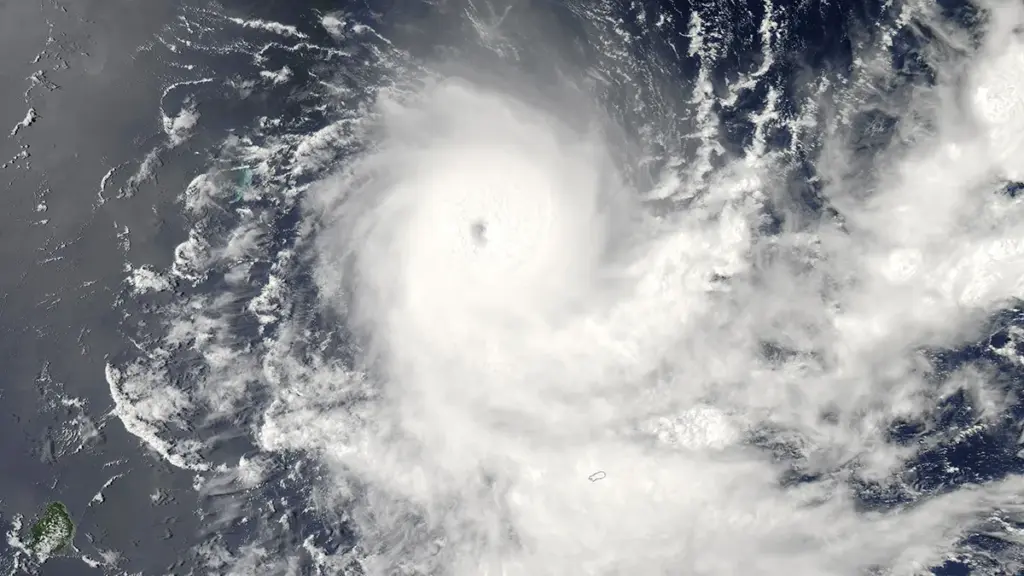
The ongoing situation in Telangana reflects broader climate patterns that are being studied by meteorologists. Tropical cyclones and their behavior are a key focus of climate research, although models often show discrepancies even with identical sea surface temperature data.
As the region prepares for potential rain, the long-term implications of these temperature increases remain a topic of concern. The interplay between rising temperatures and changing weather patterns could have lasting effects on agriculture, water supply, and energy consumption in Telangana.
Details remain unconfirmed regarding the full impact of these temperature changes on local ecosystems and human health, but the situation continues to evolve as meteorologists monitor conditions closely.