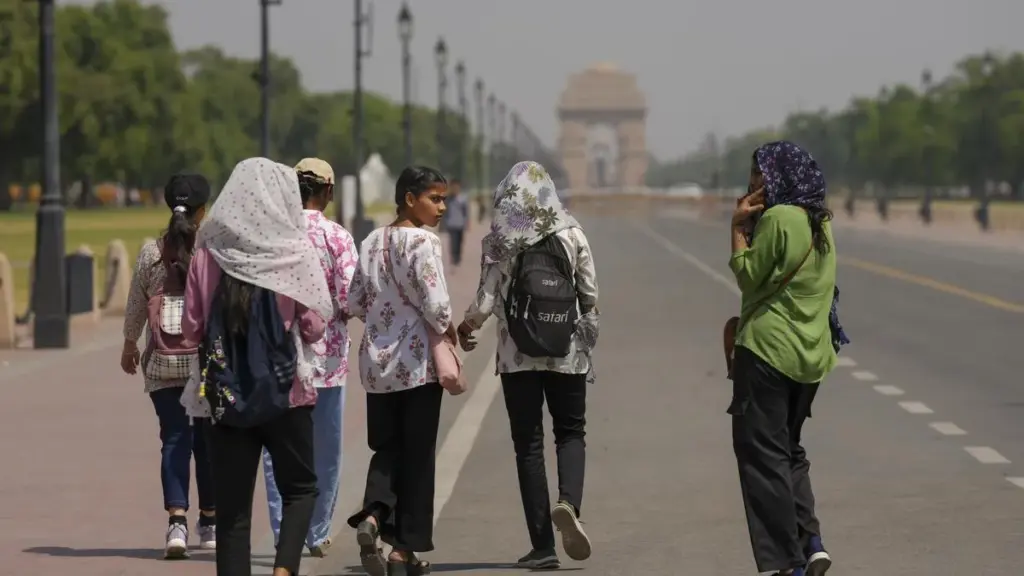
Delhi recorded a maximum temperature of 35.7°C on March 7, 2026, marking the highest in the first week of March in 50 years. This significant rise raises questions about climate trends.
What does the recent temperature spike in Delhi indicate?
On March 7, 2026, Delhi recorded a maximum temperature of 35.7°C, the highest in the first week of March in the past 50 years. This significant increase raises questions about the ongoing climate trends affecting the region.
The previous record for the highest maximum temperature during the first seven days of March was 34.8°C, logged on March 5, 1999. The temperature on March 7 was notably 7 degrees Celsius above normal, while the minimum temperature settled at 17.4°C, which was 3 notches above normal.
Forecasts suggest that the day temperature could rise to around 37 degrees Celsius by March 11, 2026, indicating a continuing trend of unusually high temperatures for this time of year.
In addition to the temperature spike, Delhi’s air quality index (AQI) was recorded at 246, placing it in the ‘poor’ category on the same day. This level of air pollution raises further health concerns for residents.
Night temperatures in Delhi were also reported to be over 5°C above normal on March 7, 2026, contributing to the discomfort experienced by residents.
The implications of these rising temperatures extend beyond immediate discomfort, as they may signal longer-term climate changes that could affect weather patterns, agriculture, and public health.
As the situation develops, it remains to be seen how these temperature trends will influence policy decisions regarding environmental management and public health initiatives in the region.
Details remain unconfirmed regarding the long-term impacts of this temperature spike and the specific factors contributing to it, but the data suggests a concerning trend that warrants close monitoring.