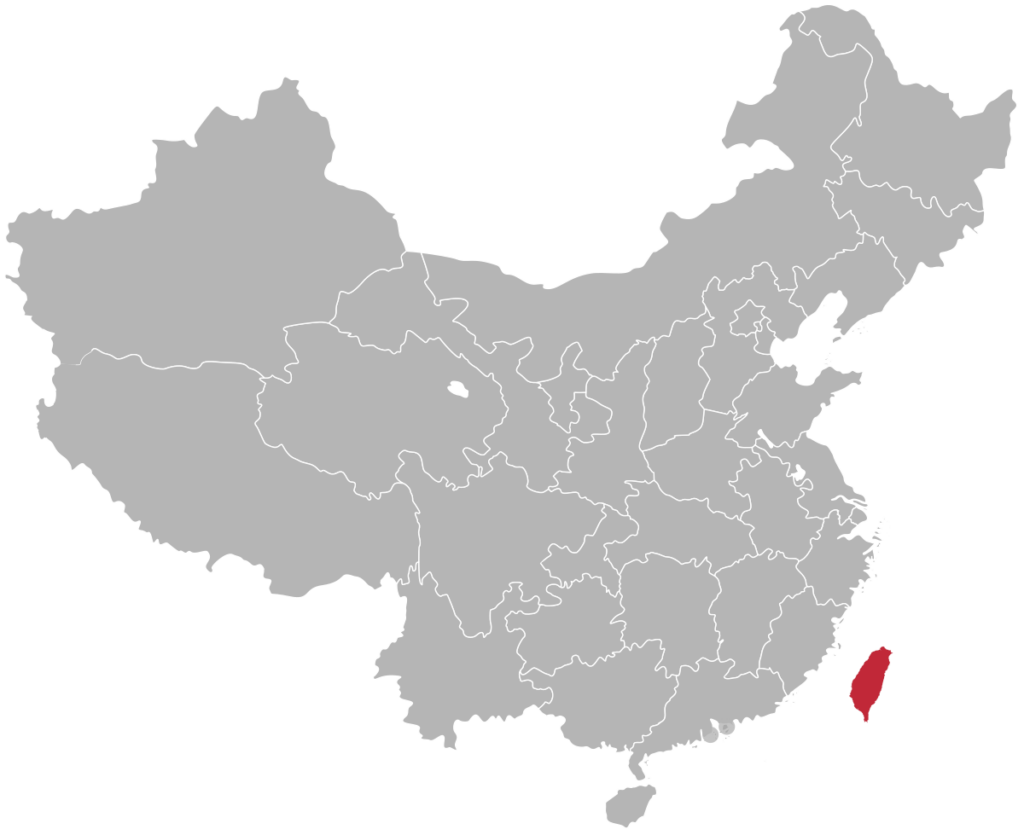
Introduction In recent years, Taiwan has positioned itself as a significant player on the global stage, especially in the realms of technology, trade, and diplomacy. As geopolitical tensions escalate in the Asia-Pacific region, the island’s importance has grown, making it a focal point for discussions about security, trade, and democracy. Understanding Taiwan’s current situation and
Introduction
In recent years, Taiwan has positioned itself as a significant player on the global stage, especially in the realms of technology, trade, and diplomacy. As geopolitical tensions escalate in the Asia-Pacific region, the island’s importance has grown, making it a focal point for discussions about security, trade, and democracy. Understanding Taiwan’s current situation and its potential future impacts is crucial for international observers, businesses, and policymakers alike.
Main Body
Taiwan, officially known as the Republic of China (ROC), has seen its democratic institutions and market economy flourish, despite the looming threat of military buildup from mainland China. In 2023, Taiwan’s semiconductor industry continues to dominate the global market, providing over 60% of the world’s chips, which are essential for various sectors, including automotive, electronics, and mobile devices. Major companies, such as TSMC (Taiwan Semiconductor Manufacturing Company), are critical to global supply chains, emphasizing Taiwan’s pivotal position in the global economy.
The political landscape has also evolved, with President Tsai Ing-wen advocating for a distinct Taiwanese identity and stronger international partnerships. Following her administration’s response to Chinese assertiveness, a number of countries have increased their support for Taiwan. The recent visit of U.S. House Speaker Kevin McCarthy to Taiwan highlighted the continued commitment of the United States to uphold Taiwan’s status in international relations, something that China views as a significant provocation. Furthermore, alliances with nations such as Japan and Australia are strengthening, as Taiwan seeks to enhance its security and economic resilience amidst increasing pressure from Beijing.
Additionally, Taiwan remains a model for democratic governance in Asia, inspiring activists in Hong Kong and beyond. As China’s influence expands and its authoritarianism intensifies, Taiwan’s democratic and free-market system stands in contrast, capturing the attention and admiration of nations upholding similar values.
Conclusion
As Taiwan enters a new chapter of its international journey, the implications for global trade, security, and democracy cannot be understated. Its strategic importance will likely continue to grow, with the ongoing developments in cross-strait relations affecting not only regional stability but also international economic dynamics. For readers, understanding Taiwan’s current situation and the intricacies of its global relationships is essential, as actions taken in support of or against Taiwan may significantly alter the geopolitical landscape in the coming years. The island’s story is far from over, and its future developments will warrant close observation.